

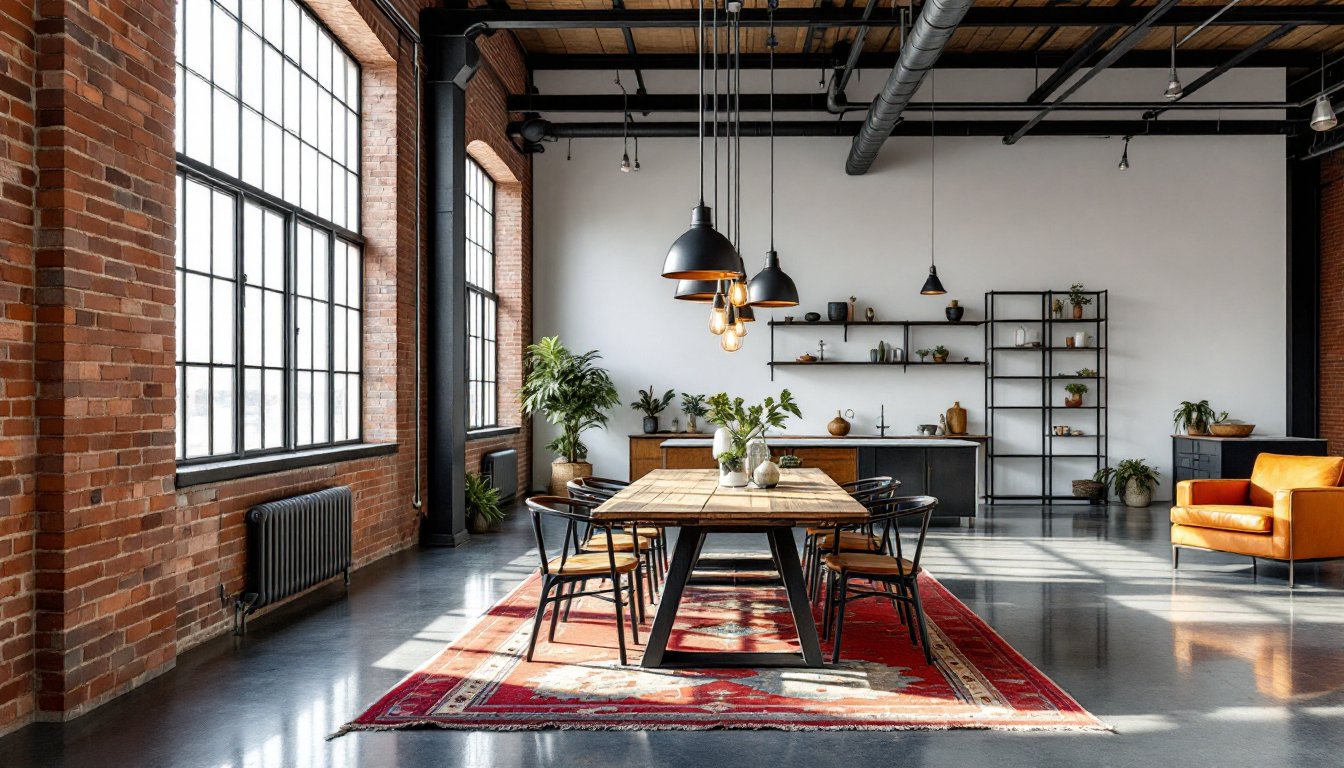
Modern industrial interior design strips away the unnecessary to celebrate the bones of a building. It’s a style born from repurposed factories and urban lofts, where exposed brick, steel beams, and concrete floors aren’t flaws to hide, they’re the main attraction. In 2026, the industrial aesthetic has evolved beyond stark warehouse spaces into a refined, livable style that balances raw materials with comfortable, modern living. Whether someone’s renovating a city loft or bringing warehouse vibes to a suburban home, understanding the core principles makes the difference between authentic industrial design and a space that just looks unfinished.
Key Takeaways
- Modern industrial interior design celebrates exposed structural features like brick, steel, and concrete while balancing raw materials with comfort through textiles and warm furnishings.
- The style works best in spaces with good bones, high ceilings (9-10 feet minimum for exposed ductwork), and large windows that showcase authentic architectural elements.
- Neutral color palettes of grays, warm browns, and blacks form the foundation, with strategic burnt orange, teal, or rust-colored accents adding personality without undermining the industrial aesthetic.
- Industrial furniture prioritizes visible construction, reclaimed materials, and metal frames—think welded steel bases and leather seating that ages well over time.
- Lighting is essential in modern industrial design, combining ambient pendants with task and accent layers, LED Edison bulbs, and dimmer switches to create flexible illumination that references factory origins.
- Polished concrete floors ($3-8 per square foot), reclaimed wood, and steel elements require professional attention or sourcing from salvage yards, while intentional design choices separate authentic industrial spaces from unfinished-looking rooms.
What Is Modern Industrial Interior Design?
Modern industrial interior design emerged from converted factories and warehouses in cities like New York and Chicago during the 1950s and 60s. Artists and residents made necessity into style, embracing exposed ductwork, brick walls, and concrete floors that would’ve been covered in traditional homes. Today’s version refines that raw aesthetic with intentional design choices rather than simply leaving construction elements visible.
The style combines utilitarian functionality with minimalist restraint. Think open floor plans with high ceilings, visible mechanical systems, and architectural elements that serve both structural and decorative purposes. Materials like steel, reclaimed wood, concrete, and glass dominate the palette. Unlike purely minimalist design, industrial spaces incorporate texture and patina, aged metal, weathered timber, and worn surfaces that tell a story.
What separates modern industrial from its vintage predecessor is livability. While early industrial spaces often felt cold or unfinished, contemporary interpretations layer in warmth through textiles, strategic lighting, and comfortable furnishings. It’s about controlled contrast: pairing a welded steel coffee table with a plush leather sofa, or softening concrete floors with a vintage Turkish rug.
This isn’t a style that works everywhere. It thrives in spaces with good bones, high ceilings, large windows, or existing architectural features worth exposing. Trying to force industrial design into a low-ceilinged ranch with carpeted floors means fighting the space instead of working with it.
Key Elements That Define the Modern Industrial Style
Exposed Structural Features and Raw Materials
The foundation of industrial design is revealing what’s typically hidden. Exposed brick walls are the most recognizable element, leave them unpainted to show variations in color and texture, or apply a clear sealant to prevent crumbling mortar. If working with painted brick, chemical strippers or sandblasting can restore the original surface, though this is dusty, time-intensive work best left to professionals in occupied homes.
Visible ductwork and pipes turn functional elements into design features. HVAC ducts, sprinkler systems, and plumbing runs get painted in matte black, gunmetal gray, or left as raw galvanized steel. This works in spaces with ceiling heights of at least 9-10 feet: in lower rooms, exposed mechanicals make the space feel cramped. When integrating asymmetrical balance principles, positioning these elements thoughtfully prevents visual chaos.
Concrete and steel provide the material backbone. Polished concrete floors are durable and low-maintenance, though they require radiant heating or area rugs in cold climates, concrete pulls heat from bare feet. Existing concrete slabs can be ground smooth and sealed: expect to pay $3-8 per square foot for professional polishing, depending on finish level and regional labor rates.
Steel appears in structural columns, exposed I-beams, and metal-framed windows. Genuine steel is expensive: hollow steel tube framing and metal-look finishes offer budget alternatives. Raw steel requires clear coating to prevent rust, while powder-coated steel provides color and corrosion resistance.
Reclaimed wood adds warmth and history. Salvaged barn siding, factory flooring, or warehouse timbers bring character impossible to replicate with new materials. Sources include architectural salvage yards, deconstruction companies, and online marketplaces. Reclaimed lumber needs inspection for nails, treatment for pests, and often milling to consistent dimensions, actual dimensions vary significantly in aged timbers.
Neutral Color Palettes With Bold Accents
Industrial color schemes build from the materials themselves. Base neutrals, grays ranging from charcoal to pale concrete, warm browns from aged wood, and blacks from steel and iron, create the foundation. White appears sparingly, typically on ceilings to maximize light reflection in spaces with exposed dark ductwork.
Wall colors should complement exposed materials rather than compete with them. A soft gray (Sherwin-Williams Repose Gray or Benjamin Moore Stonington Gray) works with red brick: deeper charcoals suit spaces with polished concrete and steel. Paint coverage averages 350-400 square feet per gallon: textured brick or concrete may require 25-30% more paint than smooth drywall.
The modern interpretation incorporates current design trends through strategic color accents. A burnt orange leather chair, deep teal accent wall, or rust-colored textiles inject personality without undermining the industrial foundation. Accent colors work best when they echo oxidized metal tones, rust, verdigris, aged brass, or natural materials like cognac leather and aged copper.
Texture matters as much as color. Matte and satin finishes suit industrial spaces better than high-gloss sheens. Metal elements benefit from variation, mix brushed steel, aged iron, and raw steel rather than matching everything to a single finish.
How to Incorporate Modern Industrial Design in Your Home
Furniture and Fixture Selections
Industrial furniture prioritizes function and reveals construction. Look for pieces with visible joinery, metal frames, and reclaimed wood tops. Welded steel table bases, riveted metal chairs, and furniture with caster wheels reference factory origins. Avoid anything overly ornate or concealing its structure.
Seating should balance industrial framing with livable comfort. Leather sofas and chairs age well and complement metal and wood, full-grain leather develops patina over time, while bonded leather peels and cracks. Metal frame seating works in dining areas but needs cushioning for extended sitting. Baker’s racks, metal stools, and benches add flexible seating without visual bulk.
Tables and storage showcase materials directly. A dining table might feature a 2-inch-thick reclaimed wood top on a welded steel base, with visible bolt connections and unstained finish showing wood grain and age marks. Industrial shelving units use steel pipe or angle iron framing, these can be DIY projects using standard 3/4-inch or 1-inch black pipe components and wood shelves.
For those considering design project budgets, industrial furniture spans wide price ranges. Custom welded pieces from local fabricators cost more than mass-produced items but offer exactly the size and finish needed. Salvaged factory furniture from industrial auctions or surplus sales provides authentic pieces at unpredictable availability.
Fixtures and hardware deserve attention to detail. Cabinet pulls, door handles, and bathroom fixtures in aged brass, oil-rubbed bronze, or matte black maintain the aesthetic. Avoid bright chrome and polished nickel, they read as contemporary rather than industrial. Exposed fasteners and visible mounting hardware reinforce the honest construction ethos.
Lighting Choices That Make an Impact
Lighting defines industrial spaces, both functionally and aesthetically. The style emerged from work environments needing task-focused illumination, reflected in fixtures that combine form and function.
Pendant lights are the signature industrial fixture. Look for designs with metal shades, cage guards, and exposed bulbs. Warehouse-style pendants with enamel finishes, Edison bulbs in wire cages, or drum pendants made from perforated metal all work. Hang pendants 30-36 inches above dining tables and kitchen islands: for 8-foot ceilings, keep the fixture bottom at least 7 feet off the floor in walkways.
Design publications like Dwell regularly feature industrial lighting in modern home projects, showing how vintage factory fixtures integrate into contemporary layouts. Track lighting and exposed conduit provide flexible illumination while emphasizing the utilitarian aesthetic. Surface-mounted conduit can be DIY-installed with basic electrical skills, though any work connecting to home wiring requires permit compliance with NEC (National Electrical Code) and potentially a licensed electrician depending on jurisdiction.
Floor and task lamps should echo the metal-and-function theme. Articulated arm lamps, tripod floor lamps with metal shades, and vintage-style desk lamps with adjustable heads provide focused light. Consider pattern-based accent pieces in lamp shades or fixtures to add visual interest without departing from industrial roots.
LED Edison bulbs (typically 40-60 watt equivalents drawing 4-7 watts) replicate vintage filament bulbs without the heat and short lifespan of incandescent versions. In exposed bulb fixtures, bulb selection matters, visible filaments in warm color temperatures (2200K-2700K) enhance the industrial aesthetic, while standard LED bulbs look anachronistic.
Dimmer switches add essential flexibility. Most industrial fixtures create dramatic pools of light: dimming capability adjusts ambiance from workshop-bright to evening comfort. Ensure dimmers are compatible with LED bulbs, older dimmer switches designed for incandescent bulbs cause LED flickering. Budget around $15-30 per dimmer switch for LED-compatible models.
For homeowners studying various design education resources, understanding lighting layers is crucial. Industrial spaces need three lighting types: ambient (overall illumination, often from pendants or track systems), task (focused work lights), and accent (highlighting architectural features or artwork). Publications like Design Milk showcase contemporary industrial lighting solutions balancing these layers.
Window treatments in industrial spaces should maximize natural light. Skip heavy drapes in favor of simple roller shades, metal blinds, or leaving windows completely bare if privacy permits. Steel-framed windows themselves become architectural features, original factory windows with divided lites are worth restoring rather than replacing. Sites such as Decoist frequently demonstrate how industrial interiors use window design as a focal point rather than concealing it with treatments.