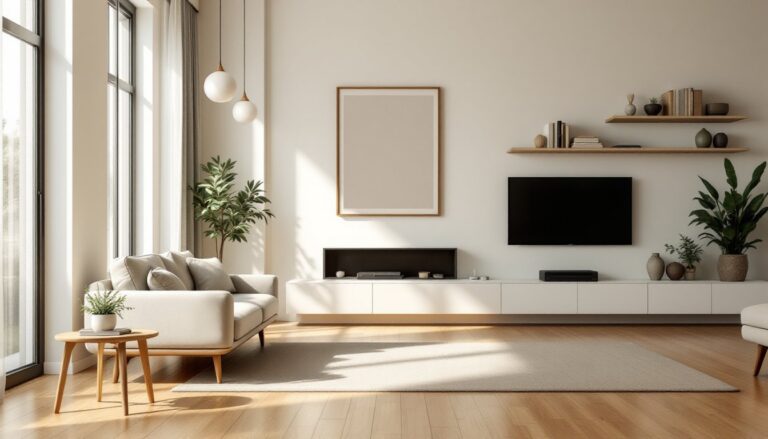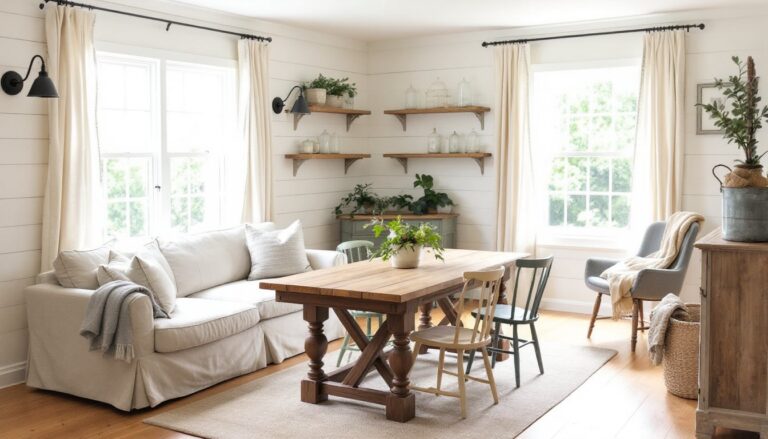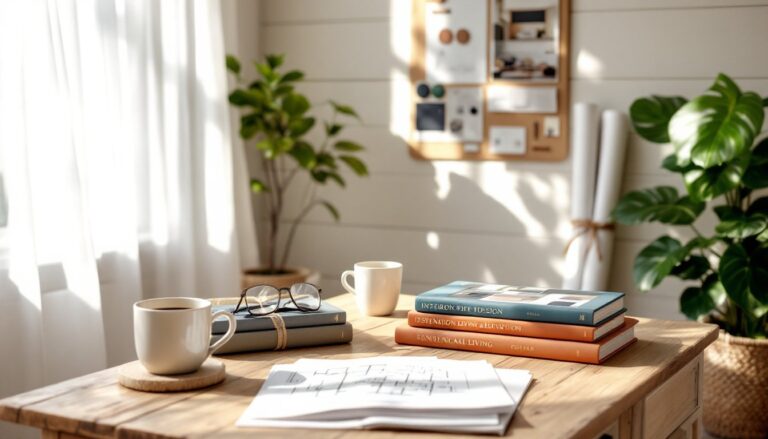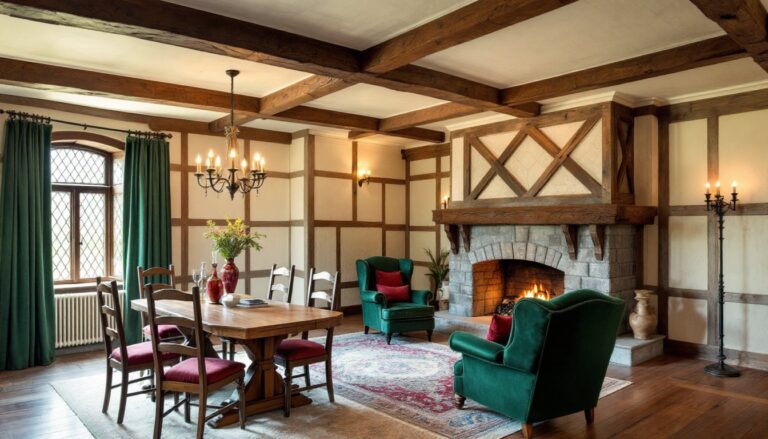


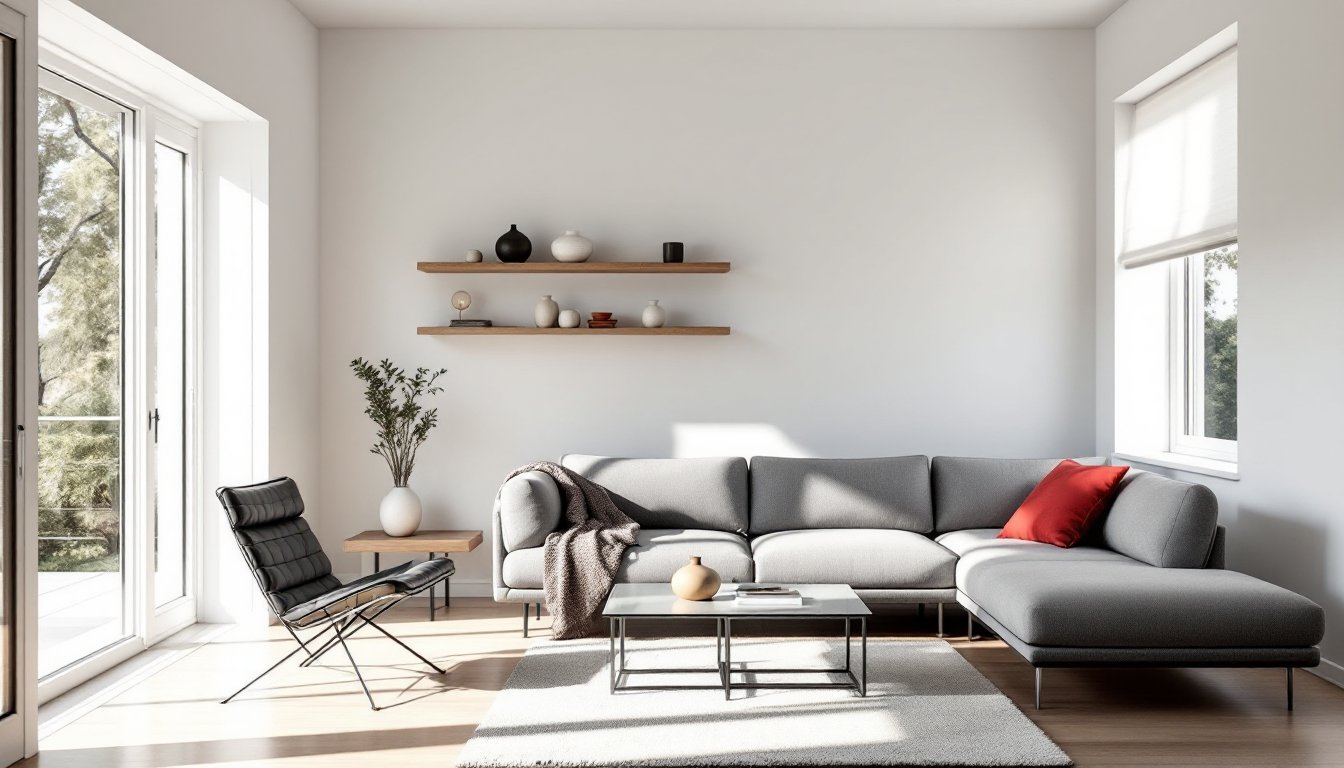
Bauhaus design isn’t just a relic from 1920s Germany, it’s a living blueprint for spaces that work as hard as they look good. Born from a radical art school that merged craft, fine art, and industrial production, Bauhaus stripped away ornamentation in favor of clean lines, functional forms, and honest materials. No frills. No fuss. Just pure, intentional design. Today, its influence shows up everywhere from Ikea shelving to high-end lofts, proving that good design never goes out of style. Whether you’re renovating a living room or rethinking your workspace, understanding Bauhaus principles gives you a rock-solid foundation for creating interiors that are both beautiful and brutally practical.
Key Takeaways
- Bauhaus interior design prioritizes function over decoration, ensuring every element serves a purpose while achieving beauty through intentional use of honest materials and clean lines.
- The classic Bauhaus color palette combines neutral foundations (white, gray, beige) with deliberate primary color accents, creating visual clarity and maximizing natural light in your space.
- Incorporate Bauhaus style incrementally by decluttering ruthlessly, upgrading to geometric lighting fixtures, choosing multi-functional furniture, and simplifying your color scheme without requiring a complete renovation.
- Authentic Bauhaus interior design rejects fake materials and fake finishes—choose actual hardwood, polished concrete, exposed brick, and honest structural elements over laminate or plastic substitutes.
- Geometric simplicity forms the visual foundation of Bauhaus interiors, using circles, squares, triangles, and rectangles to create organized, functional spaces that age gracefully across decades.
What Is Bauhaus Interior Design?
Bauhaus interior design emerged from the Staatliches Bauhaus school founded by architect Walter Gropius in Weimar, Germany, in 1919. The school operated until 1933, but its design philosophy rewrote the rulebook for modern interiors. The core idea? Form follows function. Every element in a space should serve a purpose, and beauty should arise from that utility, not from applied decoration.
The movement rejected the ornate, cluttered Victorian and Art Nouveau styles that dominated the early 20th century. Instead, Bauhaus designers embraced industrial materials like tubular steel, plate glass, and molded plywood. They championed mass production and believed good design should be accessible, not reserved for the wealthy. This democratic approach to design still resonates with DIYers today.
Bauhaus interiors prioritize open floor plans, geometric shapes, and spatial efficiency. Think of it as the grandfather of mid-century modern and Scandinavian minimalism. The style strips spaces down to essentials, then builds them back up with intention. Every piece of furniture, every light fixture, every color choice gets scrutinized: Does it earn its place? If not, it’s out.
Core Principles of Bauhaus Design
Three non-negotiable principles define Bauhaus design. Master these, and you’ll understand why the style endures a century later.
Function over decoration. Bauhaus designers believed that an object’s purpose should dictate its form. A chair isn’t a throne or a sculpture, it’s a tool for sitting. That doesn’t mean it can’t be beautiful, but the beauty emerges from how well it does its job. Marcel Breuer’s Wassily Chair, with its bent tubular steel frame and canvas seat, perfectly illustrates this: lightweight, stackable, comfortable, and elegant without a single unnecessary curve.
Honest materials. No veneers hiding cheap particle board. No fake finishes pretending to be something they’re not. Bauhaus embraced materials for what they were: steel looks like steel, glass like glass, wood like wood. This transparency extended to construction methods. Exposed joinery, visible fasteners, and structural elements became design features rather than things to hide. Modern asymmetrical balance principles often incorporate this honest material approach in contemporary interiors.
Geometric simplicity. Circles, squares, triangles, and rectangles form the visual vocabulary of Bauhaus design. Curves appear sparingly and always serve a functional purpose, like the ergonomic bend of a chair back. This geometric approach creates visual clarity and makes spaces feel organized, even when sparsely furnished. It’s the opposite of maximalist or eclectic styles that thrive on variety and surprise.
Key Elements of a Bauhaus Interior
Color Palettes and Materials
Bauhaus color schemes walk a tightrope between monochrome neutrality and bold primary accents. The foundation typically consists of white, black, gray, and beige, think painted drywall in Benjamin Moore Super White or unstained concrete floors. These neutrals create a clean canvas and maximize natural light reflection.
Primary colors, red, blue, and yellow, appear as deliberate accents. A single red cushion on a gray sofa. A yellow pendant light over a white dining table. These pops of color follow the same rule as everything else: intentional, not random. They’re design decisions, not decorative afterthoughts.
Material choices favor industrial and natural options in their unadorned state:
- Steel and chrome: Tubular steel frames, chrome hardware, metal shelving
- Glass: Clear panels for tables, doors, and partitions: frosted for privacy without visual weight
- Concrete: Polished floors, exposed walls, or poured countertops
- Wood: Light woods like birch or beech, finished with clear sealers rather than stains
- Leather: For seating, usually in black, tan, or gray
- Canvas and linen: Upholstery and window treatments in neutral tones
Avoid materials that fake other materials. Laminate wood-look flooring doesn’t cut it, go with actual hardwood, polished concrete, or honest tile instead. If budget’s tight, painted plywood with exposed edges reads more Bauhaus than plastic laminate trying to pass as marble.
For walls, flat or eggshell paint in neutral tones beats textured finishes or wallpaper. Standard ½-inch drywall with smooth level-5 finish provides the clean backdrop Bauhaus demands. If you’re tackling a DIY paint job, budget about 350-400 square feet of coverage per gallon for quality paint with proper primer.
Furniture and Lighting Choices
Bauhaus furniture pieces have become icons, and for good reason. They’re engineered solutions to seating, storage, and surface needs.
Classic Bauhaus furniture to know:
- Wassily Chair (Marcel Breuer, 1925): Bent tubular steel with leather straps
- Barcelona Chair (Mies van der Rohe, 1929): Chrome X-frame with leather cushions
- Cesca Chair (Marcel Breuer, 1928): Cantilever design with cane seat
- Nesting tables: Stacking side tables in graduated sizes
- Modular shelving: Adjustable systems that adapt to needs
You don’t need authentic mid-century pieces (though they’re worth hunting at estate sales). Modern manufacturers produce Bauhaus-inspired furniture at various price points. Look for clean lines, visible construction, and multi-functionality. A coffee table with built-in storage beats a purely decorative one. A daybed that converts to seating trumps a single-purpose couch.
When selecting furniture, consider actual dimensions against your space. A standard residential doorway measures 36 inches wide, make sure your flat-pack finds fit through before ordering. Measure twice, order once.
Lighting in Bauhaus interiors combines industrial utility with sculptural form. The Bauhaus school produced numerous lighting innovations, including the adjustable desk lamp and the globe pendant. Key characteristics:
- Exposed bulbs and fixtures: Edison bulbs, clear glass shades, visible hardware
- Geometric shapes: Spherical pendants, cylindrical sconces, rectangular track lighting
- Adjustable task lighting: Articulating arms, swivel heads, dimmer switches
- Metal finishes: Brushed nickel, matte black, polished chrome
For DIY installation, most pendant lights and sconces require basic electrical knowledge and proper junction boxes rated for the fixture weight. Always turn off power at the breaker, use a voltage tester to confirm it’s dead, and follow NEC (National Electrical Code) guidelines. If you’re uncomfortable working with 120V circuits, hire a licensed electrician, there’s no shame in knowing your limits.
Incorporating pattern in interior design can add visual interest while maintaining Bauhaus simplicity through geometric textiles or structured wall treatments.
How to Incorporate Bauhaus Style in Your Home
Bringing Bauhaus into your home doesn’t require gutting rooms down to studs. Start with strategic updates that align with the style’s core principles.
Declutter ruthlessly. Bauhaus spaces breathe. Remove non-functional decor, excess furniture, and visual clutter. If it doesn’t serve a purpose or bring genuine joy through its design (not just sentimental attachment), it goes. Use closed storage to hide necessary items that don’t fit the aesthetic.
Simplify your color scheme. Repaint walls in neutral tones, white, light gray, or warm beige. You’ll need about 1 gallon per 350-400 square feet with two coats. Use a quality primer first, especially over bold existing colors. For trim, semi-gloss white creates clean lines and withstands wear better than flat finishes.
Upgrade lighting fixtures. Swap ornate chandeliers for geometric pendants. Replace table lamps with adjustable task lights. Consider track lighting for flexible, directional illumination. Most fixture swaps are DIY-friendly if the electrical box is already in place and properly rated.
Choose multi-functional furniture. Replace single-purpose pieces with adaptable options. A nesting coffee table set provides surface area when needed, tucks away when not. A daybed serves as seating and guest sleeping. Modular shelving adjusts as needs change. Many DIYers can assemble flat-pack furniture with basic tools: power drill, level, tape measure, and rubber mallet.
Expose structural elements where possible. If you’re renovating, consider leaving ductwork visible with a coat of matte black paint. Expose brick or concrete walls by removing drywall (check for load-bearing considerations first). Sand and seal wood floors rather than covering them with carpet. These projects range from intermediate to advanced difficulty, assess your skill level honestly.
Add geometric artwork. Bauhaus artists like Wassily Kandinsky and Paul Klee created bold, abstract compositions. You can find prints affordably or create DIY versions using painter’s tape and acrylic paint on canvas. Frame with simple black or natural wood frames, no ornate gilding.
Install simple window treatments. Replace heavy drapes with roller shades, Roman shades in solid colors, or sheer linen panels. The goal is light control without visual weight. Cordless options improve the clean aesthetic and meet modern safety standards if you have kids.
Consider open shelving in kitchens. Replace upper cabinets with floating shelves (use proper wall anchors rated for load, assume 25-50 pounds per linear foot for dishes and glassware). This increases visual space and forces you to keep only what you need and use. Mount shelves to wall studs (typically 16 inches on center) using heavy-duty brackets.
Resources like Design Milk showcase contemporary applications of Bauhaus principles in modern homes. For renovations involving structural changes, removing walls, adding windows, relocating electrical, check local building codes and permit requirements. Most jurisdictions require permits for structural, electrical, and plumbing work. Non-compliance can create issues when selling.
If you’re tackling a larger Bauhaus-inspired renovation, modern design approaches demonstrate how clean lines and functional spaces translate across different room types and budgets. Projects like removing non-load-bearing walls to create open floor plans typically require a permit, even if they’re technically DIY-capable for experienced builders.
Material costs vary significantly by region and quality. As of early 2026, expect to pay roughly $3-8 per square foot for quality hardwood flooring (installed), $2-4 per square foot for polished concrete floors, and $50-300 for Bauhaus-style pendant lights depending on size and finish. Always get multiple quotes and budget 10-20% over estimates for surprises.
Conclusion
Bauhaus interior design proves that minimalism doesn’t mean cold or sterile, it means purposeful. Every line, material, and piece of furniture works together to create spaces that function beautifully and age gracefully. Start small with decluttering and lighting upgrades, or go big with open floor plans and exposed materials. Either way, you’re building on a design philosophy that’s stood the test of nearly a century.