

Designing a coffee shop isn’t just about aesthetics, it’s about creating an environment that keeps customers coming back. Whether renovating an existing space or starting from scratch, the interior drives everything from workflow efficiency to Instagram-worthy moments. Good design balances brand identity with practical considerations like traffic flow, durability, and code compliance. This guide walks through key elements that transform a bare commercial space into a thriving café, from layout fundamentals to finishing touches that build atmosphere.
Key Takeaways
- Coffee shop interior design balances brand identity with practical considerations like traffic flow, durability, and code compliance to create an environment that keeps customers returning.
- An effective layout requires three distinct zones—ordering, seating, and service—with the counter positioned 10–15 feet from the entrance and staff clearance of 42–48 inches per commercial kitchen standards.
- Design style should reflect your brand story and target demographic; popular options include rustic farmhouse, mid-century modern, Scandinavian minimalism, and industrial chic.
- Layered lighting using ambient (300–500 lux), task (500–750 lux at the espresso bar), and accent lighting with LED-compatible dimmers creates both functionality and inviting atmosphere.
- Invest in commercial-grade furniture rated for hospitality use with upholstered fabrics at 30,000+ double rubs durability, and select durable flooring options like luxury vinyl plank or sealed concrete.
- Finishing touches including oversized wall art, strategic greenery, open shelving, and varied textures differentiate a memorable café from generic spaces and enhance social media appeal.
Creating the Perfect Layout for Flow and Functionality
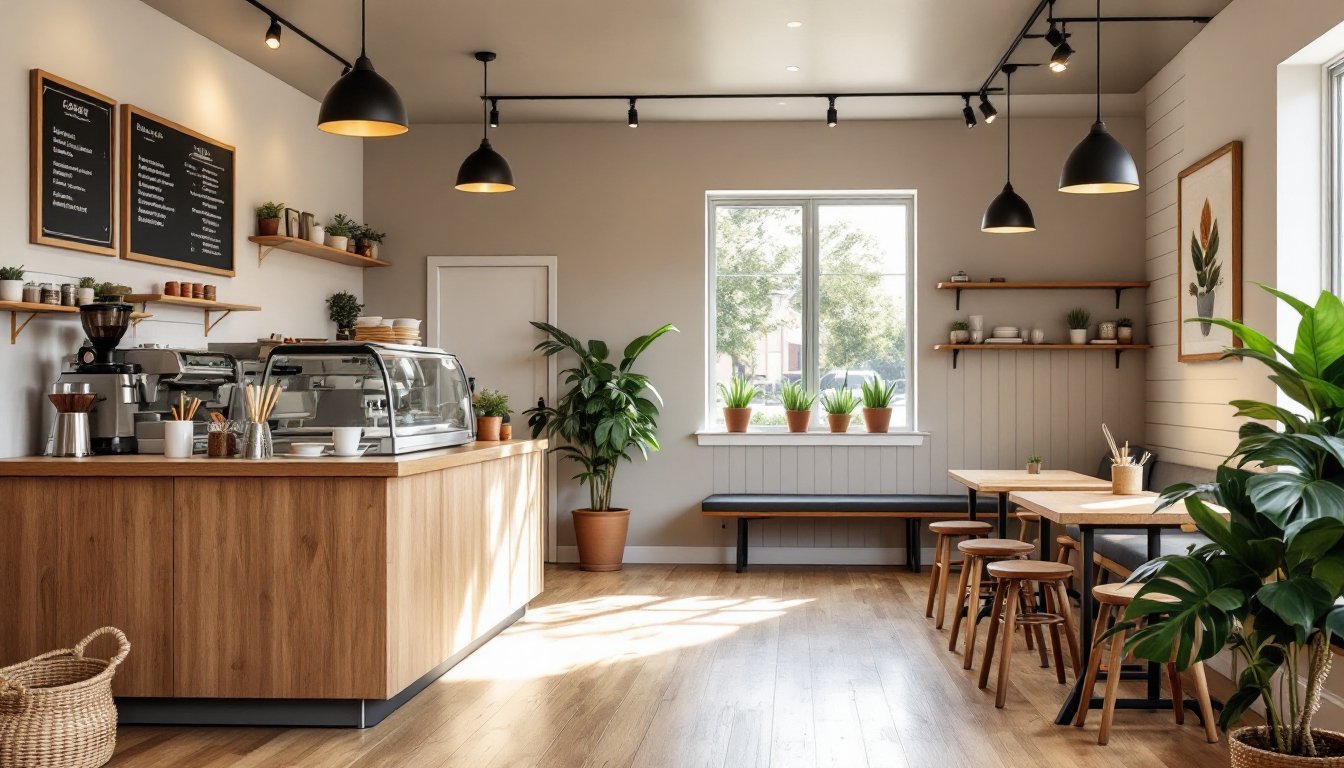
The layout determines how efficiently staff work and how comfortably customers navigate the space. Start by mapping three distinct zones: ordering/pickup, seating, and service areas.
The ordering zone needs clear sightlines from the entrance. Position the counter 10–15 feet from the door to prevent bottlenecks during rush hours. Plan for a queue path that doesn’t block seating or the exit, use floor tiles, paint, or rope barriers to subtly direct flow. The counter itself should be 36–42 inches high (standard commercial bar height) with enough width for a POS system, tip jar, and small display case.
Behind the counter, the service area requires 42–48 inches of clearance between equipment and back counters for staff movement, per commercial kitchen standards. Espresso machines, grinders, and refrigeration units need dedicated electrical circuits, consult local electrical codes (NEC Article 422 for appliances) and hire a licensed electrician for the rough-in work. Plumbing for sinks and espresso machines must meet commercial standards, typically requiring a three-compartment sink for health department approval.
Seating layout depends on your target crowd. Mix seating types: two-tops for laptop workers, larger communal tables for groups, and counter seating along windows. Allow 18–24 inches per seat at communal tables and 30 inches minimum between table edges for comfortable passage. Accessible seating with 36-inch clear paths isn’t just good practice, it’s required by the Americans with Disabilities Act (ADA).
Don’t forget restroom access. ADA requires at least one accessible restroom in commercial spaces, with 60-inch turning radius and grab bars. Check local building codes for requirements: some jurisdictions mandate separate facilities above certain occupancy thresholds.
Choosing a Design Style That Reflects Your Brand
Design style telegraphs who you are before customers read the menu. The aesthetic should align with your brand story, target demographic, and neighborhood context.
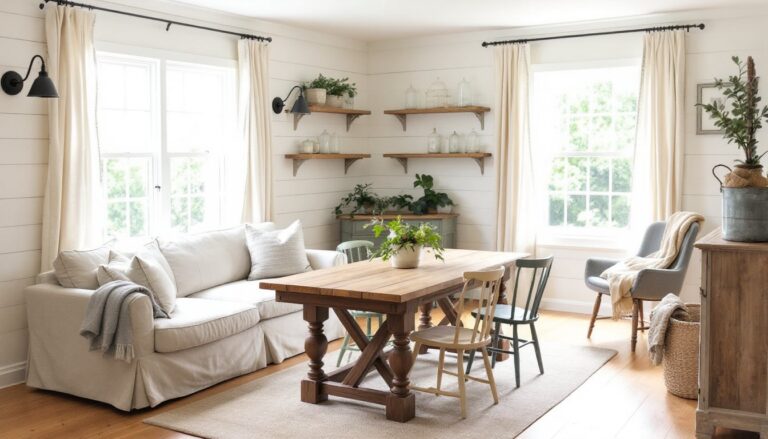
Rustic farmhouse works well for community-focused shops emphasizing local sourcing. Expect reclaimed wood (real or engineered), shiplap wall treatments, and vintage signage. When using reclaimed lumber, verify it’s kiln-dried and free of lead paint, many salvage yards provide documentation. For wall treatments, tongue-and-groove pine boards or MDF alternatives install over existing drywall with construction adhesive and finish nails.
Mid-century modern suits neighborhoods with vintage appeal. Key elements include tapered wood legs on furniture, geometric patterns, and warm wood tones like walnut or teak. Laminate surfaces in bold colors (mustard yellow, burnt orange, avocado green) reference the era without the maintenance headaches of period-accurate materials. Many contemporary interior design trends draw from this period for its timeless appeal.
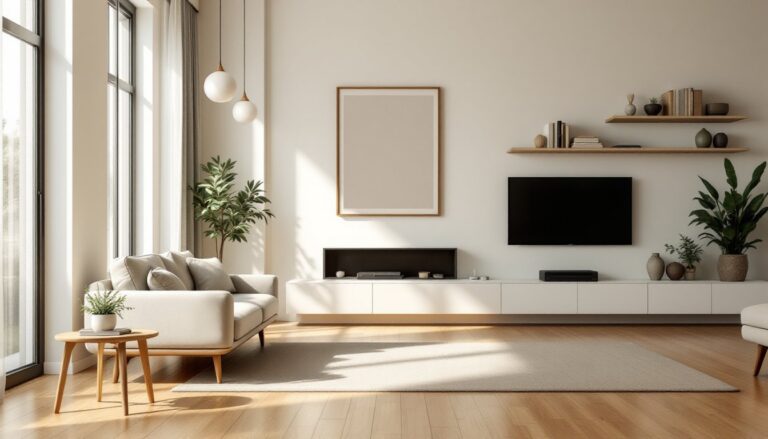
Scandinavian minimalism emphasizes light woods (birch, ash, light oak), white or neutral walls, and functional simplicity. This style works in smaller spaces because it prioritizes clean lines and natural light. Choose furniture with exposed wood frames and simple upholstery in wool or linen blends.
Industrial Chic and Modern Minimalist Aesthetics
Industrial chic remains popular in urban settings and converted warehouse spaces. Exposed elements, brick, ductwork, concrete floors, become design features rather than things to hide. If exposing brick, seal it with a breathable masonry sealer to prevent dust and deterioration. Concrete floors need sealing too: epoxy or polyurethane coatings handle foot traffic and spills better than unsealed concrete.
Metal fixtures and Edison bulbs define industrial lighting. Use black iron pipe for shelving supports or curtain rods, it’s available at any plumbing supply and creates authentic industrial texture. Pair with Edison-style LED bulbs (4–6 watts) for the vintage look without the energy waste of true incandescent bulbs.
Modern minimalist takes industrial’s restraint further. Walls stay white or light gray, furniture has slim profiles, and décor is nearly absent. This isn’t cold, it lets coffee and customers become the color. The catch: minimalism shows every smudge and scuff. Plan for durable, washable surfaces like satin-finish paint (easier to clean than flat) and laminate or solid-surface counters.
Lighting Design That Sets the Mood
Lighting does triple duty: sets atmosphere, highlights merchandise, and provides task illumination for staff. Layer all three types for a functional, inviting space.
Ambient lighting establishes overall brightness. For coffee shops, aim for 300–500 lux (roughly 30–50 foot-candles) in seating areas, bright enough to read comfortably but not so harsh it feels clinical. Recessed LED downlights with 3000K color temperature (warm white) deliver this without the yellow cast of old incandescent bulbs. Space them 4–6 feet apart in a grid pattern for even coverage.
Task lighting focuses on work areas. The espresso bar needs brighter light, 500–750 lux, for precision work. Under-cabinet LED strips illuminate the counter workspace without glare in customers’ eyes. Choose strips rated for commercial or damp locations if they’re near sinks. Contemporary home decor inspiration often showcases similar layered lighting techniques adaptable to commercial settings.
Accent lighting creates drama and draws the eye. Track lighting or picture lights can highlight a feature wall, menu board, or retail shelving. Pendant lights over tables add visual interest at eye level, hang them 28–34 inches above table surfaces to avoid head bumps while seated.
Dimmers give flexibility to adjust mood throughout the day. Use LED-compatible dimmers matched to your bulb type: cheap dimmers cause LED flicker. Wire them on separate circuits so you can independently control ambient, task, and accent layers.
Natural light is free and highly valued. If you have large windows, maximize them, but add UV-filtering window film to prevent sun damage to furniture and fading of artwork. Consider sheer roller shades or light-filtering blinds to control glare during peak sun hours without blocking the view entirely.
Selecting Furniture and Seating for Comfort and Style
Coffee shop furniture takes a beating, constant use, spills, temperature swings from door traffic. Prioritize commercial-grade furniture rated for hospitality use: residential pieces won’t survive a year of daily service.
For chairs, look for solid wood or metal frames rather than particle board. Joints should be screwed and glued, ideally with corner blocks for reinforcement. Upholstered seats need commercial-grade fabrics rated at 30,000+ double rubs (Wyzenbeek abrasion test). Vinyl is easiest to clean but can feel cold: performance fabrics like Crypton or Sunbrella offer durability with a softer hand.
Table heights matter for function. Standard dining height is 28–30 inches, which works for meals and laptop work. Counter height (34–36 inches) suits quick visits and window seating with stools. Bar height (40–42 inches) works for standing-height counters but can feel exclusive, use sparingly unless targeting a specific vibe.
Table tops endure spills and heat. Solid wood with polyurethane finish looks warm but requires periodic refinishing. Laminate handles abuse better and comes in wood-look patterns, though edges can chip. Butcher block adds rustic texture but needs regular oiling and isn’t heat-resistant. For outdoor seating, powder-coated aluminum or marine-grade polymer resist weather without constant maintenance.
Banquettes maximize seating in tight spaces, they fit against walls where freestanding chairs wouldn’t work. Build them 18 inches deep, 18 inches high for comfortable seating. Frame with 2×4 studs anchored to wall studs, top with 3-inch foam over plywood, and upholster with the same commercial fabric as chairs. Many designers create presentation boards to help clients visualize furniture layouts before purchasing.
Color Palettes and Materials That Make an Impact
Color influences perception of cleanliness, warmth, and even how long customers linger. Choose a palette that reinforces your brand while meeting practical demands of a high-traffic space.
Neutral bases (white, gray, beige, taupe) create versatility. Paint walls in washable satin or eggshell finish, flat paint looks better but shows every mark. Benjamin Moore Regal Select and Sherwin-Williams Duration are workhorse paints for commercial spaces, with mildew resistance and good coverage. Budget 350–400 square feet per gallon for typical wall coverage.
Add personality with accent colors on a feature wall, trim, or furniture. Earth tones (terracotta, olive, rust) feel organic and pair well with wood. Jewel tones (emerald, sapphire, burgundy) add richness without overwhelming. Avoid pure white, it shows dirt instantly. Off-whites with warm undertones (creamy beiges, soft grays with a hint of brown) read as clean but hide minor scuffs.
Material choices telegraph quality and care. For flooring, luxury vinyl plank (LVP) mimics wood at a fraction of the cost and maintenance. Look for commercial-grade LVP rated for heavy traffic, with a 20-mil wear layer minimum. It installs as a floating floor over existing concrete or tile, making it DIY-friendly for budget renovations. Polished concrete works in industrial spaces but can be cold underfoot and noisy, add area rugs under seating zones to absorb sound.
Wall treatments add texture without structural changes. Shiplap or board-and-batten installs directly over drywall with a nail gun and construction adhesive. For brick texture without actual masonry, thin brick veneer (⅝ inch thick) applies with mastic adhesive and looks authentic. Peel-and-stick wallpaper offers pattern without commitment, though commercial-grade options are pricier than residential versions.
Incorporating pattern in design through textiles, tile backsplashes, or wallpaper creates visual interest that photographs well for social media marketing.
Adding Character With Décor, Greenery, and Finishing Touches
Details differentiate a memorable space from a generic one. Finishing touches should feel intentional, not cluttered.
Wall art fills vertical space and supports your brand story. Oversized prints or canvas pieces create impact, aim for at least 24×36 inches for standard 10-foot ceilings. Gallery walls work but require careful planning: mock up the arrangement on the floor before putting holes in the wall. Use picture hanging wire and wall anchors rated for the frame weight, not just nails in drywall.
Shelving displays retail items (bags of beans, mugs, local goods) and adds dimension. Floating shelves made from 2-inch-thick solid wood or butcher block look substantial. Mount them to wall studs with heavy-duty brackets rated for 50+ pounds per shelf, coffee bags and ceramics add up fast. Open shelving keeps things accessible but requires tidiness: closed cabinets hide clutter but feel less engaging.
Greenery softens hard surfaces and improves air quality. Pothos, snake plants, and philodendrons tolerate low light and irregular watering, crucial when staff is focused on customers, not plant care. Use self-watering planters or add hydrogel crystals to potting mix to extend time between waterings. Mount plants on walls with sturdy bracket systems: a falling planter is a liability issue. Resources like homify showcase numerous café and restaurant designs featuring effective greenery integration.
Signage and wayfinding keep traffic moving. A menu board should be visible from the door, 24-inch minimum letter height for readability at 15 feet. Chalkboard paint or printed boards both work: chalk offers flexibility to update, while printed menus look cleaner. Add small directional signs for restrooms, condiment stations, and exit routes.
Texture layers make spaces feel finished. Add throw pillows in durable fabrics to banquettes, woven baskets for condiment storage, and ceramic or concrete planters instead of plastic. Vary materials, wood, metal, fabric, ceramic, to create visual richness without busy patterns. Exploring home design ideas for residential spaces often yields creative solutions adaptable to commercial environments.