

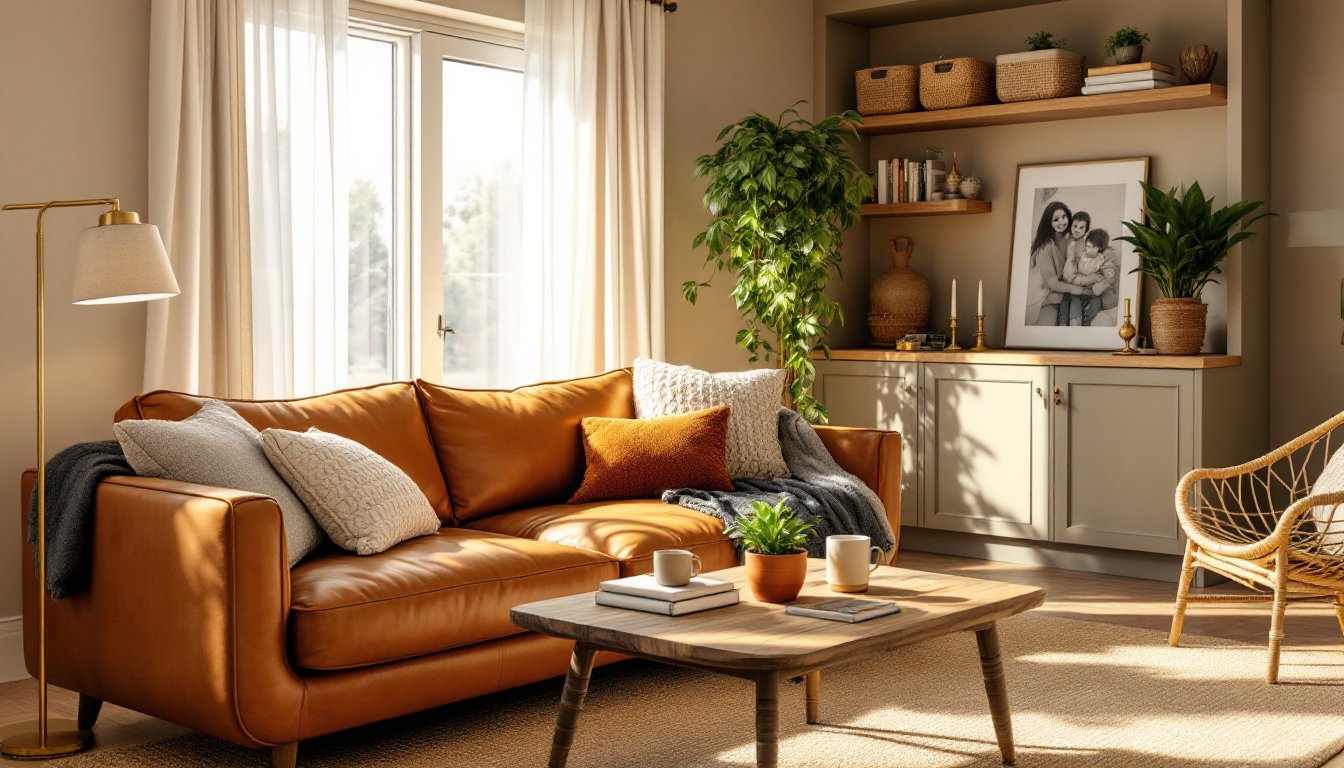
The “Dr Homey” approach to interior design isn’t about flashy trends or Instagram-perfect staging. It’s about creating spaces that feel genuinely lived-in, comfortable, and uniquely yours, without sacrificing style. Think of it as the antidote to sterile, catalog-perfect rooms that nobody actually wants to spend time in.
This guide breaks down the Dr Homey philosophy and shows how to apply it to real rooms with practical, doable strategies. No vague inspiration boards here, just actionable steps to make your home feel like, well, home.
Key Takeaways
- Dr Homey interior design philosophy prioritizes comfort and personal meaning over Instagram-perfect styling, creating spaces that feel genuinely lived-in and welcoming.
- Layer textures strategically using soft materials like linen and wool, natural elements such as jute and rattan, and metallic accents to add depth and tactile appeal to any room.
- Warm color palettes with terracotta, ochre, and deep greens create cozy foundations, while proper color temperature in lighting (2700K-3000K) transforms spaces from clinical to inviting.
- Display meaningful personal items—family photos, collections, and inherited pieces—using the rule of threes and negative space to balance curation with a lived-in aesthetic.
- Incorporate real plants, edit ruthlessly to remove non-functional items, and focus on comfort over perfection to achieve the Dr Homey look without requiring a designer’s budget.
What Is the Dr Homey Interior Design Philosophy?
The Dr Homey philosophy centers on one core principle: comfort without compromise. It rejects the idea that a well-designed space must sacrifice livability for aesthetics. Instead, it prioritizes warmth, personality, and function in equal measure.
At its heart, Dr Homey design combines three key tenets: layered textures for tactile appeal, personal items that tell a story, and color palettes that make you feel relaxed rather than impressed. It’s the design equivalent of a favorite worn-in sweater, familiar, comforting, and distinctly yours.
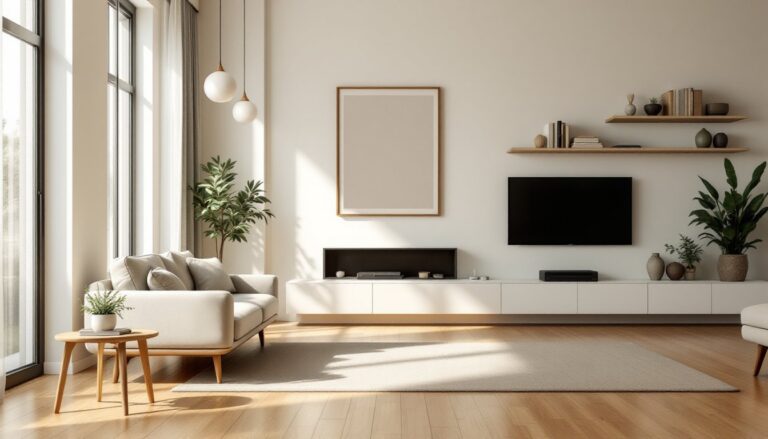
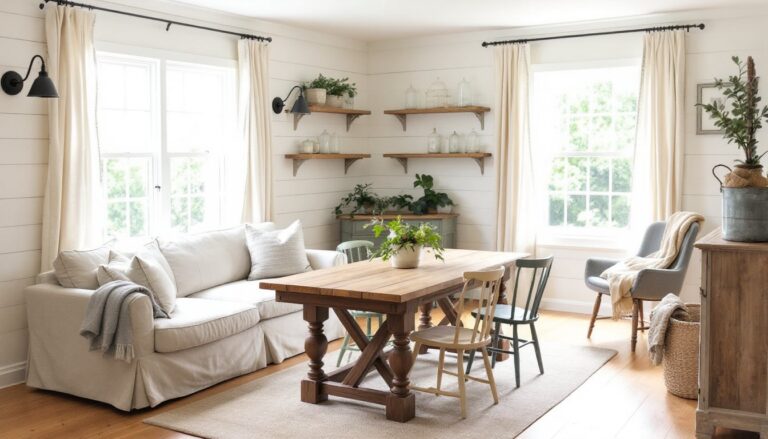
This isn’t about following a rigid style rulebook. Mid-century modern, farmhouse, eclectic, any aesthetic can embrace Dr Homey principles as long as the space feels welcoming rather than curated for a photoshoot. The philosophy works equally well in a rental apartment or a renovated Victorian, as long as the focus stays on creating rooms people actually want to use.
Unlike minimalist trends that strip rooms down to essentials, Dr Homey encourages strategic abundance: books on shelves, throws draped over chairs, art that means something to you rather than matching the sofa. The goal is a space that feels collected over time, not ordered in one shipment.
Core Elements of Dr Homey-Inspired Interiors
Warm Color Palettes and Texture Layering
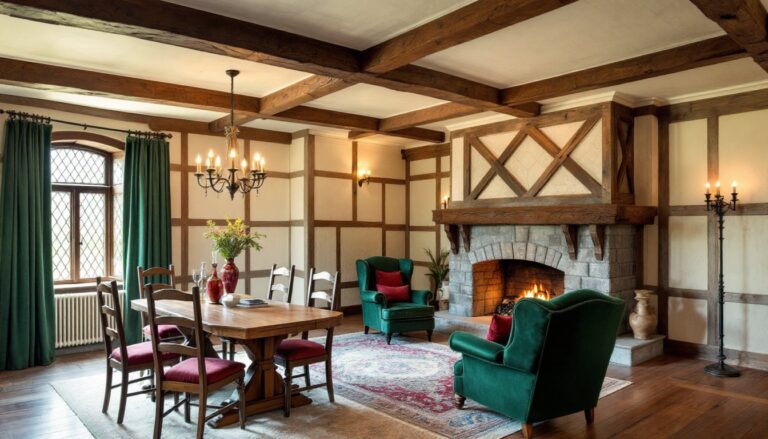
Warm, grounded color schemes form the foundation of Dr Homey spaces. Think terracotta, ochre, deep greens, and soft grays, colors that anchor a room without overwhelming it. These aren’t the stark whites and cool grays that dominated the 2010s: they’re hues with depth and warmth.
When selecting paint, look for colors with undertones that lean warm rather than cool. A greige with beige undertones will feel cozier than one with blue undertones. Test samples in different lighting conditions, north-facing rooms may need warmer shades to compensate for cooler natural light.
Texture layering is non-negotiable in Dr Homey design. A room with perfect color balance but no textural variety will still feel flat. Combine materials deliberately:
- Soft textures: linen curtains, wool throws, cotton rugs, velvet pillows
- Natural textures: jute, rattan, raw wood, stone
- Woven elements: basket storage, macramé wall hangings, wicker furniture
- Metallic accents: brushed brass hardware, aged copper fixtures, matte black frames
Layer these textures within a single space. A living room might pair a chunky knit throw over a leather sofa, with a jute rug underfoot and linen curtains framing the window. Each material brings its own visual weight and tactile quality. Design trends emphasizing pattern in interior design align well with this layered approach.
Avoid the temptation to match everything. A collected-over-time look means textures and finishes won’t be identical, and that’s the point. Your dining chairs don’t need to match your sideboard finish, the variation adds character.
Personal Touches and Meaningful Decor
Dr Homey spaces reject generic decor in favor of items with personal significance. This doesn’t mean cluttering surfaces with tchotchkes, but it does mean displaying things that matter to you.
Effective personal touches include:
- Framed photos (but skip the matchy-matchy gallery wall, mix frame styles and sizes)
- Collections displayed intentionally (vintage cameras on a shelf, pottery arranged on open shelving)
- Travel souvenirs that actually get used (a Moroccan rug, not a dust-collecting figurine)
- Handmade or inherited pieces (your grandmother’s quilt, a cutting board you made in a woodworking class)
- Books organized by use, not color (color-coded spines look great on Pinterest but make finding anything impossible)
The key is curation without sterilization. A coffee table can hold a stack of books, a small plant, and a favorite mug without looking messy, that’s real life. Spaces featured on sites like Homedit often showcase this balance between styled and lived-in.
When arranging decor, use the rule of threes for visual interest: group items in odd numbers, vary heights, and leave negative space so individual pieces can breathe. A mantel might display a large mirror flanked by two different-height candlesticks, with a small potted succulent offset to one side.
Avoid these common pitfalls:
- Mass-produced “Live Laugh Love” wall art (if it’s sold at every big-box store, it’s not personal)
- Excessive throw pillows that make seating unusable (four to six on a standard sofa is plenty)
- Fake plants (real plants add life: plastic adds dust traps)
- Overly themed rooms (a “coastal” room with anchors, rope, and blue stripes in every element feels forced)
If you’re considering interior design costs for a refresh, investing in a few meaningful, high-quality pieces will serve the Dr Homey aesthetic better than a cart full of trendy decor.
How to Transform Your Home with Dr Homey Principles
Applying Dr Homey principles doesn’t require a full renovation or a designer’s budget. Start with these actionable steps, room by room.
1. Audit Your Current Space
Walk through each room and ask:
- Does this space feel comfortable enough to spend time in?
- Are there items here just because they “should” be, or because I actually use/love them?
- What’s the textural variety? (If everything is smooth and hard, you’ve found your problem.)
- Do the colors feel warm and inviting, or clinical?
Take notes. You’re looking for gaps in comfort, not design magazine perfection.
2. Layer in Texture Strategically
You don’t need to replace furniture to add texture. Start with these quick wins:
- Add a natural fiber rug (8′ x 10′ for most living rooms, 5′ x 7′ for smaller spaces). Jute and sisal add texture without pattern, which grounds busy rooms. Make sure the rug extends at least 18 inches beyond furniture edges for proper proportion.
- Swap out throw pillows. Choose covers in linen, velvet, or woven cotton, mix textures within the same neutral palette (cream linen, oatmeal velvet, natural jute).
- Replace flat window treatments with linen or cotton curtains. Hang rods 4-6 inches above the window frame and let curtains puddle 1/2 inch on the floor for a relaxed, custom look.
- Introduce woven storage: baskets for blankets, woven trays for corralling remotes, rattan bins for toys.
3. Warm Up Your Color Palette
If your walls are stark white or cool gray, consider repainting with warmer alternatives:
- Instead of pure white: try warm whites like Benjamin Moore’s Swiss Coffee or Sherwin-Williams’ Alabaster
- Instead of cool gray: choose greige tones like SW Accessible Beige or BM Revere Pewter
- Accent walls: deep, warm colors like terracotta, olive, or navy create cozy focal points in bedrooms or dining areas
For renters or commitment-phobes, removable wallpaper in warm patterns can transform a space without paint. Look for grasscloth textures or subtle botanical prints. Many of the latest design trends embrace these earthy, organic patterns.
4. Curate Personal Displays
Gather items you already own that have meaning, then display them intentionally:
For bookshelves:
- Mix vertical and horizontal book stacks
- Intersperse books with personal objects (a vintage camera, a small sculpture, a framed photo)
- Use decorative boxes or baskets to hide clutter while adding texture
- Leave some shelves partially empty, negative space prevents the “stuffed” look
For wall galleries:
- Start with one anchor piece (your largest frame or most meaningful art)
- Build around it with varied frame styles in similar tones (all wood, or all black)
- Include non-frame elements: a small mirror, a woven wall hanging, a dimensional object
- Lay out the arrangement on the floor first, then hang pieces 57-60 inches at center (standard gallery height)
For surfaces (coffee tables, consoles, nightstands):
- Use the triangle method: place items at three points to create visual balance
- Vary heights with stacked books, tall candlesticks, or small plants on risers
- Include one practical item you actually use (a remote caddy, a coaster set)
Insights from interior design education emphasize that meaningful spaces come from understanding composition, not copying showrooms.
5. Address Lighting
Harsh overhead lighting kills coziness. Layer your lighting instead:
- Ambient lighting: use warm white bulbs (2700K-3000K) in overhead fixtures, dimmed when possible
- Task lighting: table lamps near reading chairs, under-cabinet lights in kitchens
- Accent lighting: picture lights on art, LED strips behind shelving
Replace builder-grade fixtures with warmer materials: brass or wood pendant lights, ceramic table lamps, linen lampshades. Avoid cool-toned LEDs, they make spaces feel commercial.
For quick upgrades, swap out light bulbs first before buying new fixtures. The right color temperature can transform a space for under $20.
6. Incorporate Living Elements
Real plants add life that no amount of decor can replicate. Choose low-maintenance varieties if you’re not a green thumb:
- Pothos or philodendron: thrive in low light, tolerate neglect
- Snake plants: nearly indestructible, architectural form
- ZZ plants: drought-tolerant, glossy leaves add texture
Plant care basics:
- Most houseplants prefer indirect light (4-6 feet from windows)
- Water when the top 1-2 inches of soil are dry
- Use pots with drainage holes to prevent root rot
- Group plants in odd numbers (three, five) for visual impact
Examples of cozy, plant-filled spaces like this unique treehouse homestay show how greenery enhances warmth.
7. Edit Ruthlessly, Then Stop
Dr Homey spaces aren’t cluttered, but they aren’t sparse either. Remove items that:
- Don’t serve a function or bring you joy
- Are only there because they “match”
- Make the space feel like a hotel or staged listing
Then stop editing. A room that looks slightly lived-in is the goal. The pillow can be askew. The book can lie open on the side table. Perfection is cold: comfort has a bit of mess.
When to Call in Pros
Most Dr Homey transformations are solid DIY territory, but consider professional help for:
- Structural changes: removing walls, adding built-ins, or altering load-bearing elements requires permits and likely a contractor
- Electrical work: adding outlets, moving fixtures, or installing hardwired lighting should follow NEC standards (hire a licensed electrician)
- Window treatments for unusual windows: arched, angled, or oversized windows may need custom solutions
- Color consultation: if you’ve repainted three times and still hate it, a designer’s trained eye can save you time and money
Many design consultations are available by the hour for rooms needing professional guidance, and tips from MyDomaine can help bridge the gap between DIY and professional work.
Conclusion
Dr Homey design isn’t a trend that’ll look dated in five years, it’s an approach that prioritizes timeless comfort and personal meaning. By layering textures, warming up color palettes, and displaying items that matter, any space can shift from staged to lived-in while still looking intentional. Start with one room, make it feel like yours, then move on to the next.