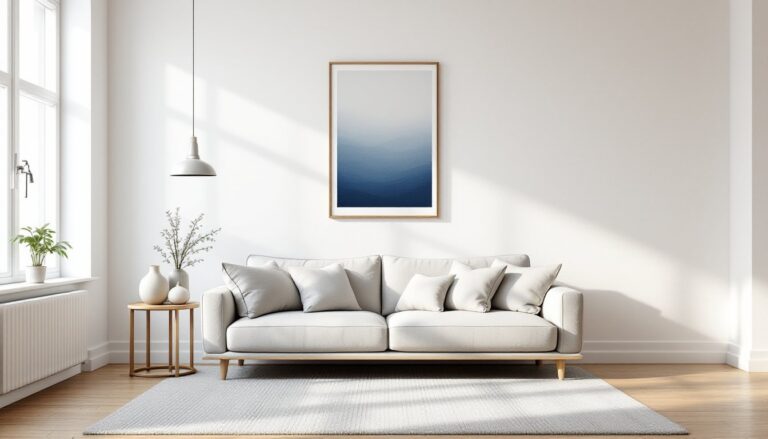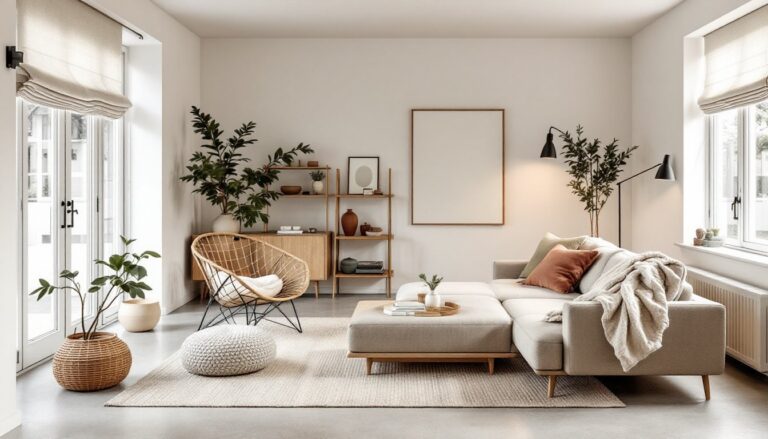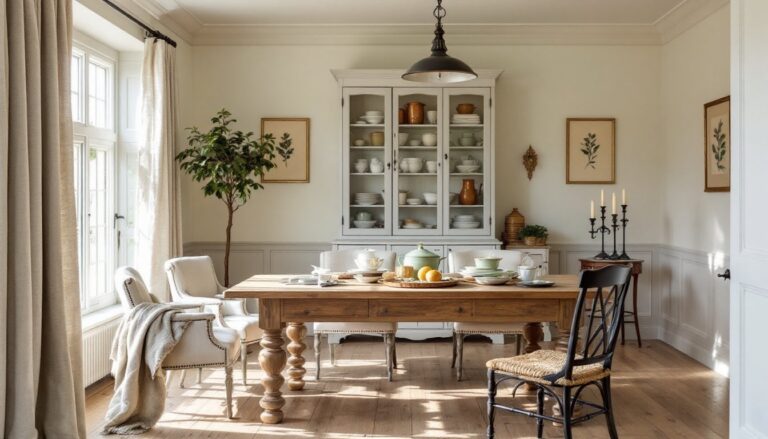


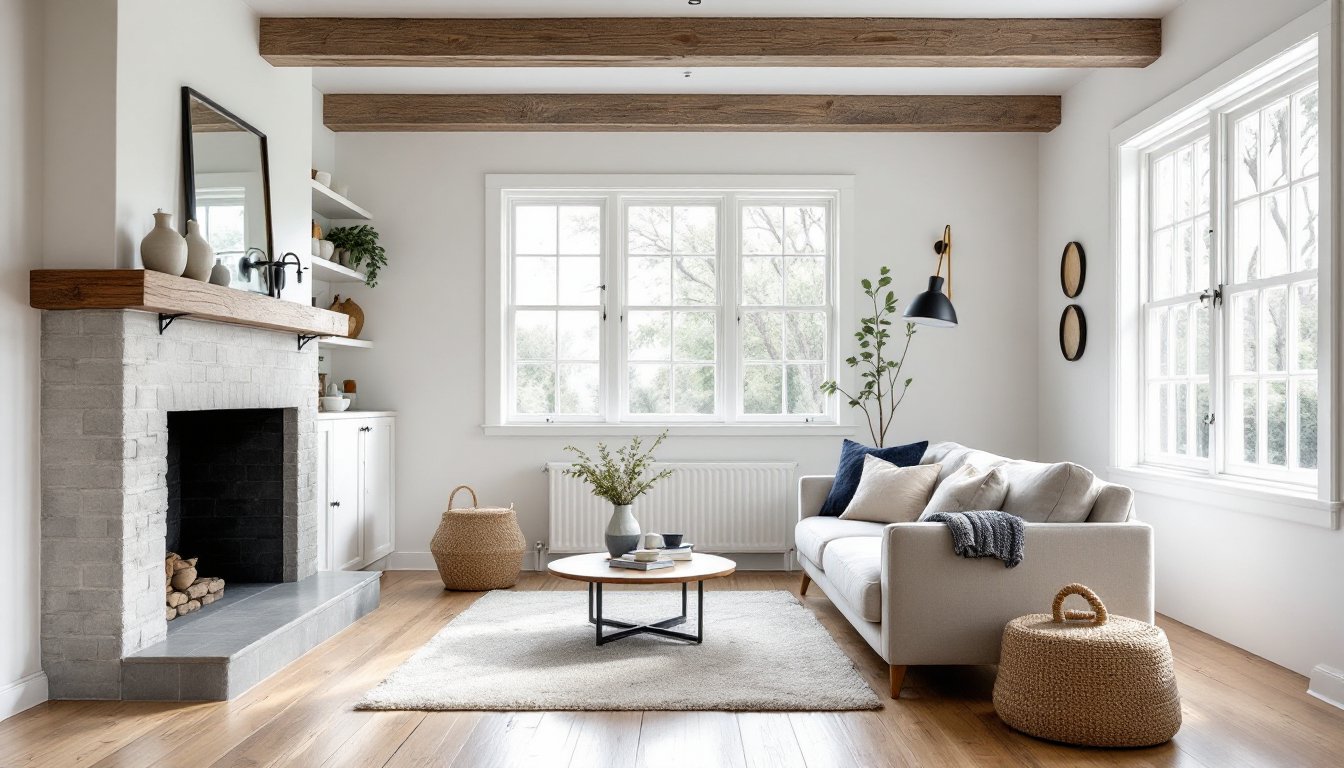
Modern farmhouse interiors have become a go-to choice for homeowners seeking warmth without clutter, tradition without fussiness. Unlike heavy, ornate farmhouse aesthetics, modern farmhouse inside spaces strip back to essentials: clean lines, natural light, open layouts, and a carefully curated blend of rustic and contemporary elements. Whether you’re renovating a city apartment or refreshing a country home, this design approach creates spaces that feel both grounded and fresh. It’s practical, livable, and doesn’t require a sprawling acreage to pull off, which is exactly why it resonates so strongly with today’s homeowners.
Key Takeaways
- Modern farmhouse inside design balances rustic warmth with contemporary simplicity, combining clean lines, natural light, and carefully curated materials without clutter or fussiness.
- A neutral color foundation of whites, creams, and soft grays allows architectural details and natural materials to shine, while darker accents in charcoal or navy and nature-inspired tones add intentional contrast.
- Wide-plank hardwood flooring, reclaimed wood furniture, shiplap, and mixed metal finishes create authentic texture and patina that develops with time, making modern farmhouse both durable and inviting.
- Prioritize open floor plans, functional storage, and layered textures through natural fibers like linen and cotton to create breathing spaces that feel genuine and livable rather than sterile.
- Apply modern farmhouse principles consistently across all rooms—from kitchen apron sinks and open shelving to bedroom simplicity and mudroom functionality—with each piece earning its place through both aesthetic and practical purpose.
Defining Modern Farmhouse Style
Modern farmhouse style merges rustic charm with contemporary simplicity, creating interiors that feel lived-in rather than sterile. The core appeal lies in its balance: whitewashed beams paired with sleek hardware, distressed wood tables alongside minimalist seating, vintage finds displayed without clutter. It rejects the maximalism of classic farmhouses while honoring their authenticity, the worn leather, aged metals, and natural materials that tell a story.
The defining traits include clean lines in furniture and architecture, an emphasis on natural light and open floor plans, and a neutral foundation that lets quality materials shine. Unlike industrial style (which celebrates raw function), modern farmhouse adds warmth through texture and layered, inviting materials. Unlike cottage core, it avoids fussy florals and decorative excess. Think “refined rural”, where every piece serves both aesthetic and functional purpose. This approach means less wall-to-wall styling and more intentional curation, which also makes it forgiving for DIYers testing ideas without massive commitment.
Key Color Palettes for Modern Farmhouse Spaces
Start with a neutral anchor: whites, creams, soft beiges, and light grays form the backdrop that keeps modern farmhouse interiors feeling open and calm. These recessive colors allow architectural details, shiplap, exposed beams, natural wood grain, to take visual priority. Paint coverage matters here: a single gallon of quality primer-plus-paint typically covers 350–400 square feet, so plan two coats for walls in these lighter shades.
For contrast and definition, introduce darker accents in charcoal, black, or navy through trim, doors, cabinetry, or window frames. This tonal layering prevents the space from feeling washed out. Nature-inspired accent colors, rich forest green, warm terracotta, soft blue, can appear in smaller doses: a single feature wall, textile accents, or decorative objects. Avoid pastels: modern farmhouse reads better in saturated, earthy tones. The key is restraint, these colors should feel discovered in nature, not applied from a trendy palette. House Beautiful for paint swatches and seasonal color direction to keep your palette current without abandoning the timeless core.
Flooring and Materials That Work Best
Wide-plank hardwood flooring is the standard, think 5- to 8-inch planks in light natural stain or matte finish rather than high-gloss. Actual wood dimensions matter: a nominal 1-inch board sits closer to ¾-inch after milling, important for spacing transitions to adjacent rooms. If budget or durability concerns apply (kitchens, mudrooms), luxury vinyl plank (LVP) mimics wood convincingly and withstands moisture and traffic better: look for matte finishes to avoid a plastic sheen.
Stone and brick anchor fireplaces, entries, and feature walls, adding tactile interest and weight. Reclaimed or hand-hewn beams for ceilings and mantels are hallmarks, though new timber can be finished to resemble age. Shiplap, either true ½-inch boards or painted drywall with routed grooves, defines accent walls. Metal accents in black iron, brushed brass, or copper appear in lighting, hardware, and structural details. These materials aren’t chosen for flash: they’re chosen for durability and the patina that develops with time. Mix metals intentionally rather than matchy, a brass pendant fixture and black iron cabinet pulls feel layered and authentic.
Furniture Selection and Arrangement
Choose pieces with simple, clean lines and minimal ornamentation. A slipcovered sofa in linen or durable cotton reads softer and more inviting than contemporary minimalist seating, while still respecting the modern line. Reclaimed wood dining tables, coffee tables, and sideboards bring authenticity: new reproductions work if the grain and finish suggest age rather than perfection.
The layout should support open floor plans and uncluttered gathering spaces, avoid pushing furniture to walls or creating closed-off zones. A large area rug anchors seating clusters without visually chopping rooms into fragments. Mix vintage and new pieces intentionally: a grandmother’s quilt thrown over a modern sofa, antique mirrors above contemporary consoles. This curation feels intentional, not accidental. Storage should be functional and integrated, open shelving in kitchens, built-in benches in mudrooms, so everyday items don’t spill across counters and floors. Modern farmhouse furniture works best when each piece earns its place and the room breathes.
Lighting, Textiles, and Accessory Ideas
Lighting bridges rustic and modern seamlessly: matte black or bronze pendant fixtures with clean geometry, vintage-inspired iron chandeliers with industrial bones, or brushed brass sconces that feel both vintage and contemporary. Avoid chrome or polished finishes, which read too modern-sterile. Maximize natural light through large windows and open sightlines: if window treatments are needed, simple linen curtains in whites or naturals maintain the open feel.
Textiles anchor comfort and softness, nubby linens, cotton blends, and natural fibers in neutral tones, with subtle pattern through checks, plaids, or understated florals rather than bold prints. Layer textures: a chunky knit throw, linen cushions, a vintage area rug. Accessories should tell a story without overwhelming: a collection of antique mirrors, weathered farm tools displayed on mantels, simple signage with hand-lettered text. Open shelving in kitchens and bathrooms showcases stacked linens, vintage ceramics, or glassware rather than hiding everything. The rule of thumb is curation over clutter, if it doesn’t contribute to the intentional narrative, it competes for attention.
Bringing Modern Farmhouse to Different Rooms
Kitchen: This is where modern farmhouse shines brightest. Open shelving above lower cabinets replaces upper cabinetry for an airy feel: support shelves properly with heavy-duty brackets rated for the load (check your shelf span and material weight). An apron-front sink (also called a farmhouse sink) in fireclay or stainless steel sits forward of the cabinet face. Mix finishes in fixtures and hardware, matte black faucet, brushed brass drawer pulls. Stone countertops or wood slabs add tactile warmth. Minimal upper cabinetry or floating shelves replace standard uppers.
Living Room: Open to the kitchen, emphasizing flow. Exposed beams (real or hand-finished to appear aged) draw the eye upward. Large windows flood the space with natural light. Neutral upholstery anchors seating: reclaimed wood coffee tables anchor conversation areas without visual weight. A fireplace with stone or shiplap surround becomes a focal point.
Bedrooms: A restful, pared-down palette of whites, creams, and soft neutrals. Simple bed frames (wood or metal without ornate details), natural textile bedding, and perhaps a shiplap feature wall behind the headboard. Avoid excess accessorizing: let the materials breathe.
Bathrooms: Shiplap walls, an apron-front or pedestal sink, mixed metal fixtures (matte black and brass), and modern farmhouse interior design principles applied to vanities and mirrors, simple frames, clean lines.
Entry/Mudroom: Built-in benches, hook rails for coats, durable flooring (tile, concrete, or sealed wood), and cubbies for shoes. These high-traffic zones need practical storage without visual clutter.
Conclusion
Modern farmhouse interiors succeed because they’re honest: natural materials, clean lines, and purposeful curation create spaces that function well and feel genuinely welcoming. Whether you’re tackling a kitchen overhaul, building an accent wall, or simply refreshing textiles and accessories, the principles remain consistent, prioritize quality materials, embrace negative space, and let your home’s bones and natural light do the heavy lifting. Start with modern interior design fundamentals: neutral walls, good lighting, and simple furniture, then layer in the rustic details and vintage finds that make the space uniquely yours. This approach rewards thoughtful decision-making and time over budget, exactly what DIY homeowners appreciate.