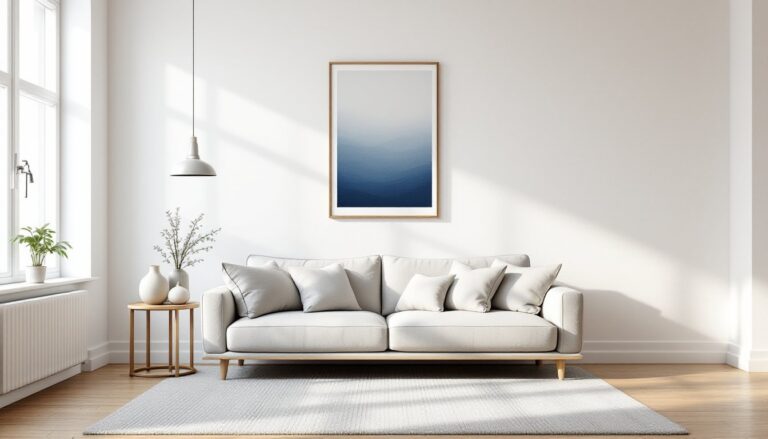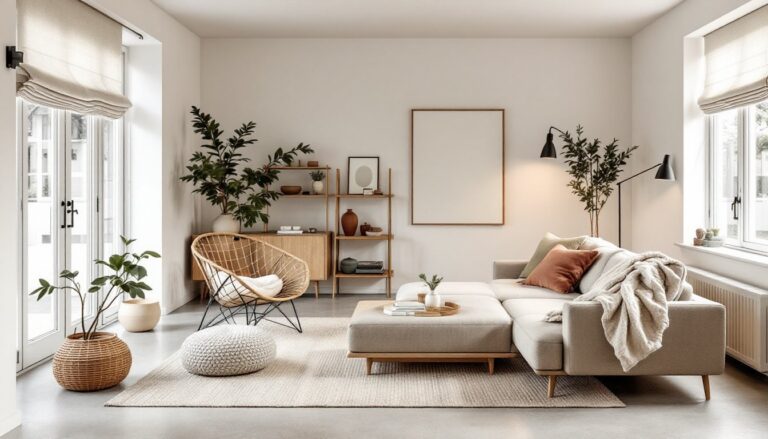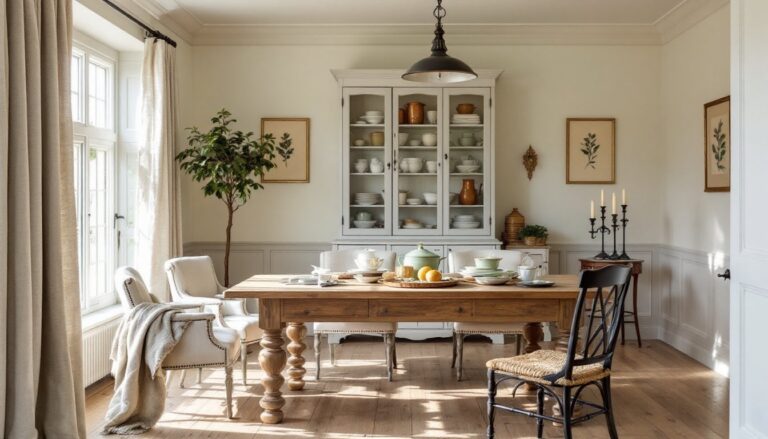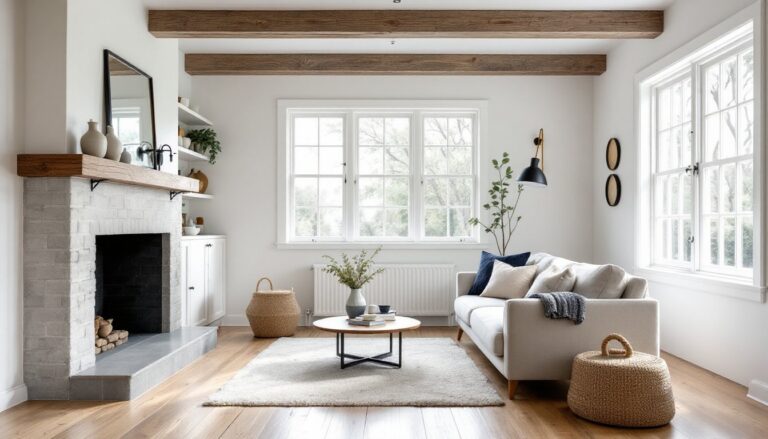


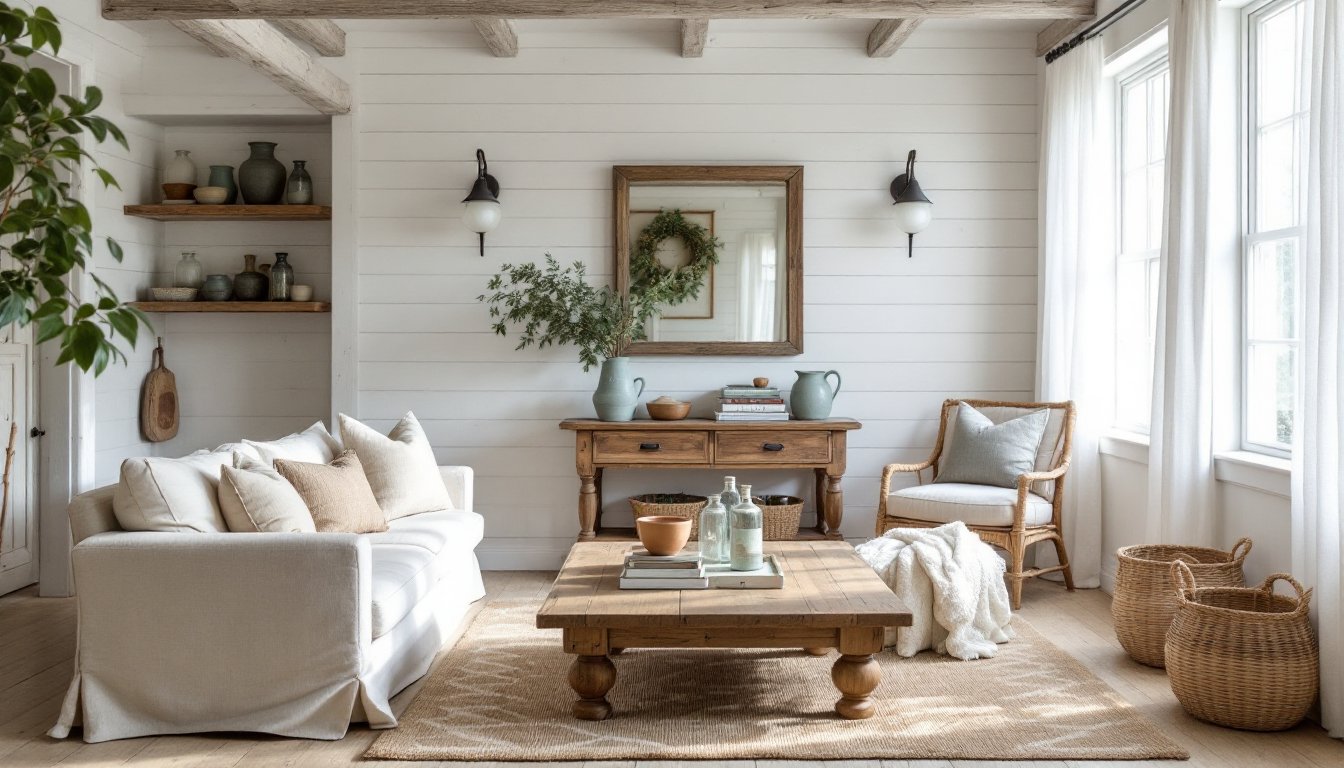
Farmhouse decor has moved beyond rural nostalgia to become a versatile design language that works in modern homes, city apartments, and suburban properties. Whether you’re drawn to the warm authenticity of vintage materials or the cleaner lines of contemporary farmhouse, the core appeal remains the same: comfort without pretense, and beauty that functions. This guide breaks down the fundamentals of designing a farmhouse decor home, from foundational color choices to specific furniture pieces and DIY projects that anchor the style. You’ll learn what makes farmhouse distinct from minimalist interior decor and modern farmhouse variants, plus actionable steps to apply these principles room by room in your own space.
Key Takeaways
- Farmhouse decor celebrates authentic materials and imperfection—reclaimed wood, wrought iron, and visible seams—distinguishing it from minimalist and modern alternatives.
- A successful farmhouse color palette relies on neutral backdrops (off-white or warm cream) with subtle secondary tones, following the 60-30-10 rule for visual balance without clutter.
- Invest in solid wood furniture, honest finishes, and quality materials rather than fast furniture or plastic reproductions to achieve integrity and longevity in your farmhouse home.
- Layer textures intentionally—rough beams with smooth plaster, soft linens with jute, glazed ceramics with wrought iron—to create depth and visual interest without overwhelming the space.
- DIY farmhouse projects like shiplap accent walls, painted thrift-store furniture, and whitewashed beams are accessible entry points that apply the style room by room without requiring a complete renovation.
- Successful farmhouse design balances rustic materials with practical, durable finishes and modern function, creating a home you actually live in rather than merely curate.
What Defines Farmhouse Decor Style
Farmhouse decor at its core celebrates imperfection and age. Unlike minimalist interior decor, which strips away ornament, farmhouse embraces visible seams, honest materials, and the patina of time. Think reclaimed wood, wrought iron, exposed beams, and worn textures that tell a story rather than whisper about cleanliness.
The style emerged from practical rural living, everything had a purpose, nothing was disposable, and craftsmanship mattered. That philosophy translates today into intentional material choices and a rejection of fast furniture. Modern farmhouse decor leans slightly more refined, swapping heavy distressing for clean-lined pieces in neutral tones, while contemporary farmhouse brings even more minimalism into the equation, pairing farmhouse materials with modern silhouettes.
What ties them together? Authenticity. Whether your farmhouse home features a 19th-century fireplace or a 21st-century shiplap accent wall, the goal is never to feel contrived. Each piece, from the sideboard to the throw rug, should have presence and integrity, not just aesthetic value.
Key Color Palettes For Authentic Farmhouse Interiors
Farmhouse color schemes draw from the landscape: whites, creams, soft grays, warm blacks, and muted earth tones like sage green, warm brown, and dusty blue. These aren’t trendy pastels, they’re the colors of weathered siding, grain sacks, and old linens.
Start with a base of off-white or warm cream for walls. Crisp white can feel sterile in a farmhouse setting: instead, choose whites with slight warmth (ivory, linen, or eggshell undertones). This sets the backdrop for secondary colors introduced through textiles, painted furniture, and architectural details.
Accent colors remain subtle. A soft sage green in the kitchen or dusty blue on shutters grounds the space without overwhelming it. The 60-30-10 rule applies well here: 60% neutral backdrop, 30% softer secondary tones, and 10% darker grounding accents (blacks, deep grays, or charcoal). This restraint is what distinguishes genuine farmhouse from country clutter. Test paint samples on your walls and observe them in morning, afternoon, and evening light before committing, wall color is the largest visual anchor in any room.
Essential Furniture & Materials That Define The Style
Farmhouse furniture prioritizes function over flash. Look for pieces with these hallmarks: solid wood construction (oak, pine, or reclaimed timber), simple joinery visible without ornamentation, and finishes that show honest grain rather than high-gloss veneer. A kitchen table with turned legs, a wooden dresser with a natural finish, and ladder-back chairs are classics for good reason.
Reclaimed or reclaimed-look materials are signature. Shiplap (vertical or horizontal wood planks) on accent walls, barn doors as sliding room dividers, and salvaged barn wood for shelving all signal farmhouse without needing a single distressed paint technique. If authentic reclaimed material isn’t feasible or budget-friendly, new pine or fir with a natural or whitewash finish replicates the look honestly, avoid plastic reproductions that cheapen the aesthetic.
Metals matter too. Wrought iron, blackened steel, and warm brass pair beautifully with wood. Think hinges on cabinet doors, light fixtures with iron frames, and hardware that shows its construction method. Avoid shiny chrome or slick stainless steel finishes: they clash with the warmth farmhouse demands. Contemporary farmhouse decor introduces sleeker furniture silhouettes and polished woods, but the material honesty remains non-negotiable.
Lighting & Textures That Complete The Farmhouse Look
Lighting in a farmhouse home should feel warm and functional, not decorative. Pendant lights with clear glass or frosted shades and iron frames over kitchen islands, brass sconces flanking mirrors, and simple clip-on reading lamps convey farmhouse authenticity. Avoid ornate crystal chandeliers or anything that feels too formal.
Natural light matters as much as fixtures. Linen or linen-blend curtains in cream or soft white allow light to filter through while maintaining privacy. Heavy velvet or patterned fabrics feel at odds with farmhouse restraint.
Texture prevents farmhouse from feeling flat. Combine smooth plaster walls with rough-hewn wood beams, soft linens with jute rugs, and glazed ceramics with wrought iron. A chunky knit throw, a woven basket for firewood, and handthrown pottery on open shelves add depth without clutter. The key is intentional layering, each texture should earn its place. Tactile variety engages the senses in a way that flat, uniform finishes can’t, making the space feel both calming and alive.
DIY Farmhouse Decor Projects For Every Room
Shiplap accent walls remain the most accessible entry point. Purchase 3/4-inch pine boards (nominal sizing: actual dimensions are roughly 0.625 × 7.25 inches), plan for 10% waste, and install horizontally with a brad nailer and construction adhesive. Pre-finish with primer and paint off-site to avoid fumes indoors. Expect 4–6 hours for a standard bedroom wall: rental of a brad nailer costs $15–25 per day if you don’t own one.
Painted furniture breathing new life into thrift-store finds is farmhouse at its best. Sand existing finishes with 120-grit sandpaper, apply 2 coats of primer designed for furniture (shellac-based primers work best over glossy surfaces), then 2 coats of chalk paint or quality semi-gloss in your chosen neutral. This approach works on wooden dressers, nightstands, and shelving units. Allow 24 hours dry time between coats and sand lightly between coats for adhesion.
Reclaimed-look shelving is achievable without buying antique barn wood. Stain new 2×10 pine boards with dark walnut or weathered gray stain, mount them on iron brackets from architectural salvage suppliers or online retailers, and fill with a mix of functional items (cookbooks, ceramic jugs) and breathing room. Open shelving requires less clutter to feel intentional: aim for 40% empty space and 60% styled items.
Whitewashing wooden beams or cabinet doors softens their appearance and is reversible. Mix white latex paint with water at a 1:1 ratio, apply with a rag in the direction of the grain, and wipe away excess while wet. This technique works beautifully on rough-sawn timbers or pine furniture, test on scrap wood first.
Bringing It All Together: Room-By-Room Application
The kitchen is farmhouse’s native habitat. Anchor it with open shelving featuring stoneware, glass jars, and cookbooks, subway tile or beadboard backsplash, and painted cabinetry in soft white or sage. Pair with a butcher-block or reclaimed wood island and wrought-iron hardware. This approach balances modern function (dishwasher-safe materials, good lighting) with period charm.
Bedrooms benefit from minimal decoration and maximum comfort. A wooden bed frame (even simple turned-leg styles), linen bedding in cream or soft gray, and a single reclaimed wood accent wall create sanctuary without effort. Skip patterns and heavy drapery: a simple linen roman shade provides privacy and light control. A woven basket at the foot of the bed and a wooden nightstand complete the picture.
Living rooms are where contemporary farmhouse and old farmhouse interior design styles often overlap. Start with neutral upholstery in linen or performance fabrics, add a vintage or reproduction rug with subtle geometric patterns, and incorporate a fireplace with a shiplap surround if possible. A gallery wall of family photos in mismatched wood frames softens formality without feeling curated. Designers at Country Living Magazine emphasize that the best farmhouse spaces balance rustic materials with livable, durable finishes, this isn’t a styling exercise, it’s a home you actually use.
Bathrooms offer an underrated opportunity. Reclaimed wood vanities paired with white subway tile, brushed brass fixtures, and simple linen window treatments nail the aesthetic while remaining practical. Open shelving with rolled towels and glass containers for toiletries feels organized and farmhouse-appropriate.
Conclusion
A farmhouse decor home succeeds when function and beauty align without tension. The color restraint, honest materials, and intentional texture aren’t about following a checklist, they’re about making deliberate choices that age gracefully. Whether you prefer the warmth of farmhouse interior design, the refinement of modern farmhouse, or the minimalist edge of contemporary farmhouse, the core principle remains: invest in quality pieces that earn their place. Start with one room, one project, and let the style grow organically around your actual life. Your home will thank you.