


Taking an interior design test isn’t about personality quizzes and magazine fluff, it’s about cutting through the noise of trends and pinning down what actually works in your space. Whether you’re planning a full room overhaul or just tired of second-guessing paint colors, a design style test gives you a framework to make confident choices. Instead of collecting vague Pinterest boards, you’ll walk away with a clear direction that matches how you live, not just what looks good in someone else’s house. And in 2026, with more free tools available than ever, there’s no reason to wing it.
Key Takeaways
- An interior design test provides a clear framework and visual language to guide confident design decisions, reducing costly mistakes and second-guessing.
- Interior design tests identify your personal style by isolating variables like color, form, and material, revealing patterns that separate true preferences from aspirational trends.
- Taking multiple interior design tests across different platforms and revisiting them annually ensures reliable style identification and keeps your design direction aligned with life changes.
- Use your test results as a practical filter when selecting furniture, paint colors, flooring, and finishes to maintain visual cohesion and prevent mismatched design elements.
- Communicating your interior design test results to contractors and professionals reduces miscommunication and ensures materials and execution match your intended style.
- Save screenshots of your style profile and create a material and color palette based on your results to guide shopping decisions and keep your design choices consistent.
What Is an Interior Design Test and Why Should You Take One?
An interior design test is a structured quiz or questionnaire that evaluates your preferences across color palettes, furniture styles, textures, and spatial layouts. Most tests present image-based questions, you’ll choose between rooms, fabrics, or décor elements, and the algorithm scores your responses against established design styles like modern, farmhouse, industrial, or coastal.
Why bother? Because most DIY design failures come from mixing elements that don’t share a common visual language. You might love both sleek minimalism and rustic wood accents, but without a plan, the result reads as confused rather than eclectic. A test narrows your focus and prevents expensive mistakes.
These assessments also help when communicating with contractors, painters, or flooring installers. Instead of saying “I want it cozy,” you can specify “warm minimalist with natural wood tones and neutral textiles.” That clarity saves time and reduces the risk of mismatched materials showing up on installation day.
Finally, if you’re hiring a designer or working with a design-build firm, many professionals use style assessments as a starting point. Completing one beforehand means you’ll spend less billable time on discovery and more on execution.
How Interior Design Tests Help You Identify Your Personal Style
Design tests work by isolating variables, color, form, material, and proportion, so you can see patterns in your choices. You might think you prefer bold colors, but after selecting neutral schemes in eight out of ten questions, the data tells a different story.
Many tests categorize results into primary and secondary styles. For example, your dominant style might be mid-century modern, with secondary notes of Scandinavian simplicity. That combo gives you permission to pair a walnut credenza with light oak flooring and crisp white walls, all within a cohesive visual logic.
Tests also reveal deal-breakers. If you consistently reject ornate moldings, heavy drapes, and dark wood furniture, you’ll know traditional or Victorian styles aren’t your lane, even if you inherited Grandma’s armoire. That insight helps you edit ruthlessly and avoid clutter.
Another benefit: tests highlight how you use space. Questions about open shelving vs. closed cabinetry or soft lighting vs. bright task lights reveal whether you’re drawn to display-focused design or streamlined function. Both are valid, but they require different material and storage solutions. Understanding your instincts means you won’t install open shelving in a kitchen only to realize you hate looking at stacks of mismatched dishes.
Types of Interior Design Tests You Can Take Online
Image-based style quizzes are the most common format. You’re shown pairs of rooms or décor items and asked to pick your favorite. Sites like MyDomaine offer short quizzes that deliver results in under five minutes, ideal for a quick gut check before a paint run.
Comprehensive assessments ask 30–50 questions covering color theory, furniture scale, lighting preferences, and lifestyle needs (pets, kids, entertaining habits). These are more involved but produce granular results, useful if you’re planning a whole-home renovation or working with a design professional.
Lifestyle and function tests focus less on aesthetics and more on how you live. Questions might cover your daily routines, storage needs, and tolerance for maintenance. If you have two kids under five and a dog, a test might steer you toward durable, washable fabrics and closed storage, even if your aesthetic leans minimalist.
Color preference tests isolate just hue, saturation, and tone. You’ll choose between palettes ranging from soft pastels to deep jewel tones. Results guide paint selection, upholstery, and accent décor. This type of test is especially helpful if you’re repainting multiple rooms and want a unified scheme without going full monochrome.
Some platforms, like Homedit, offer interactive tools that let you upload photos of your existing space and experiment with different styles overlaid on your actual rooms, helpful for visualizing outcomes before committing to materials.
Step-by-Step Guide to Taking an Interior Design Style Quiz
1. Clear your schedule. Seriously, give yourself 15–30 minutes without distractions. Rushed answers skew results. If you’re choosing between images while mentally drafting a grocery list, you’re not engaging with your real preferences.
2. Answer instinctively, not aspirationally. Don’t pick the room you think you should like or the one that fits current trends. Choose what you’d actually want to walk into every morning. If stark white walls make you anxious, don’t select them just because they’re trendy.
3. Take the test in the space you’re planning to redesign. Sit in your living room while answering living room questions. Lighting, ceiling height, and existing architectural details subconsciously affect your preferences. A vaulted ceiling might make you lean toward dramatic fixtures: a low ceiling might push you toward minimalism.
4. Save your results and screenshots. Most quizzes generate a style profile with representative images. Screenshot or print these. They’re reference material when shopping for furniture, choosing interior design presentation boards, or briefing a contractor.
5. Cross-reference with a second test. No single quiz is gospel. Take two or three from different platforms. If “modern farmhouse” shows up in all three, that’s a reliable signal. If results are all over the map, you might be in a transitional phase or need a more customized approach.
6. Revisit annually. Style evolves. What worked in your 20s might not fit your 40s. Kids, pets, job changes, and even regional moves affect design preferences. Retake tests every year or two, especially before major projects.
How to Use Your Interior Design Test Results in Real Projects
Start by creating a material and color palette based on your results. If your style came back as “coastal modern,” you’re looking at a base of whites and soft blues, natural fiber rugs (jute or sisal), light wood tones, and linen or cotton upholstery. Write it down. Keep that list on your phone when you’re at the home center or scrolling online retailers.
When selecting furniture, match proportions to your style category. Mid-century modern calls for low-profile seating with tapered legs: traditional design uses taller pieces with more ornate legs and curved arms. Mixing profiles randomly breaks visual cohesion. If your test results suggest sleek lines, skip the overstuffed sectional.
For paint and finishes, cross-reference your test’s color recommendations with actual paint chips in your space. Lighting varies wildly depending on window orientation and time of day. Grab samples in satin or eggshell for walls (easier to clean than flat, less reflective than semi-gloss) and test them on at least two walls before buying five gallons.
Flooring is a long-term investment, so your style profile should drive material choice. Industrial styles pair well with polished concrete or luxury vinyl plank (LVP) in gray tones. Farmhouse styles lean toward wide-plank oak or reclaimed wood. If you’re installing yourself, LVP is the most DIY-friendly, it’s a floating floor that doesn’t require nails or glue, just a level subfloor and a underlayment pad for sound dampening.
Budget your project around interior design costs typical for your scope. A living room refresh (paint, new lighting, accessories) might run $1,500–$4,000 depending on region and material grades. Full kitchen or bath renovations can hit $15,000–$50,000+. Use your test results to focus spending on hero pieces that define your style, if you’re modern minimalist, invest in a statement sofa and keep accessories minimal.
Common Interior Design Styles Revealed Through Testing
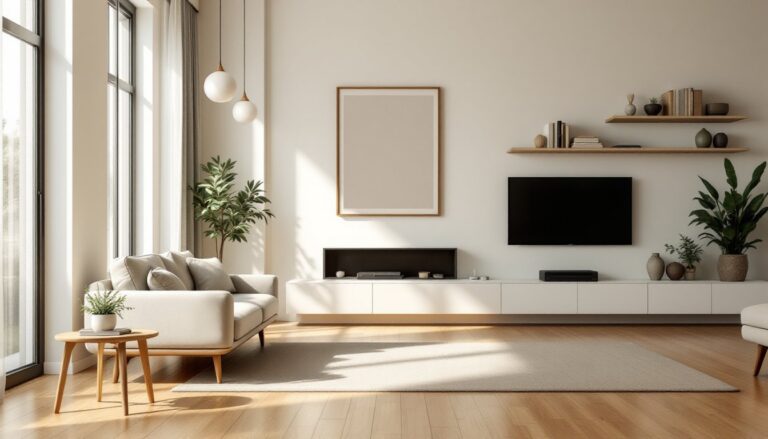
Modern/Contemporary: Clean lines, neutral palettes (white, gray, black, beige), minimal ornamentation, open floor plans. Materials include glass, metal, and polished wood. Lighting is often recessed or track-mounted. If your test skews modern, avoid heavy drapes and fussy trim.
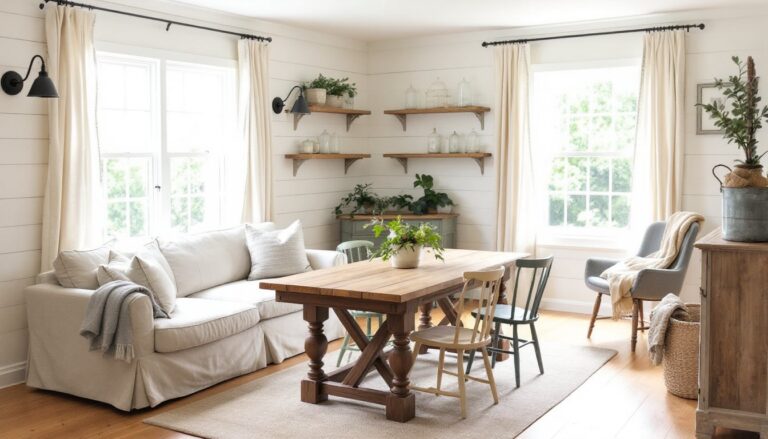
Farmhouse/Rustic: Reclaimed or distressed wood, shiplap or board-and-batten walls, apron-front sinks, open shelving. Color schemes center on whites, creams, and soft grays with natural wood tones. Fixtures are typically matte black or oil-rubbed bronze. This style requires regular maintenance, distressed finishes show wear faster than sealed surfaces.
Industrial: Exposed brick, metal ductwork, concrete floors, Edison bulb fixtures, and raw wood furniture. Color palettes are darker, charcoals, deep browns, blacks. This style works best in lofts or spaces with high ceilings (9’+ is ideal). If you’re retrofitting a suburban ranch, you’ll need to add faux brick panels or metal accents to get the look.
Mid-Century Modern: Iconic from the 1950s–60s, characterized by tapered furniture legs, organic curves, teak or walnut wood, and bold accent colors (mustard, burnt orange, teal). Lighting fixtures are sculptural, think Sputnik chandeliers or arc floor lamps. Many interior design trade schools emphasize mid-century principles because the style balances form and function.
Scandinavian (Scandi): Light woods (birch, ash, pine), whites and pale grays, natural textiles (wool, linen), and an emphasis on hygge, cozy, functional simplicity. Storage is built-in or hidden: clutter is the enemy. Scandi design relies on great lighting: layer ambient, task, and accent lights to compensate for minimal décor.
Coastal: Soft blues, sandy neutrals, whites, natural fiber rugs, driftwood accents, and plenty of natural light. Avoid the “beach tchotchke” trap, real coastal design is understated, not literal. Skip the seashell curtains: use texture (linen, rattan, weathered wood) to evoke the shore.
Transitional: A hybrid of traditional and contemporary. It’s the safe middle ground: neutral colors, mixed materials (wood and metal, fabric and leather), classic furniture shapes with modern finishes. This style’s flexibility makes it popular for resale-focused renovations. Many homeowners pursuing formal interior design education study transitional design because it appeals to broad audiences.
Conclusion
An interior design test won’t pick out your couch or hang your art, but it gives you a reliable starting point and a common language for every decision that follows. Use the results as a filter, does this rug, paint color, or light fixture align with your style profile?, and you’ll end up with a space that feels intentional instead of assembled. Take the test, save the results, and start building your material list. Your next project just got a lot less guesswork.