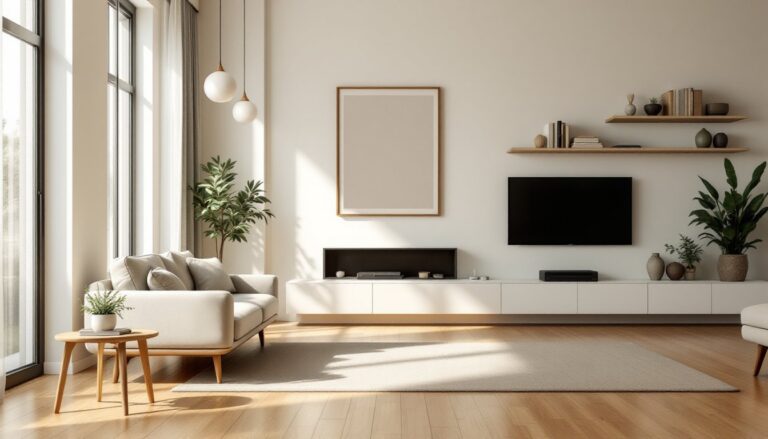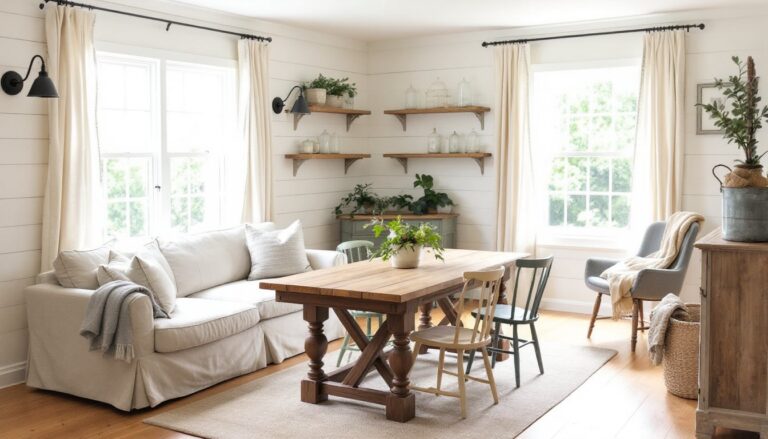


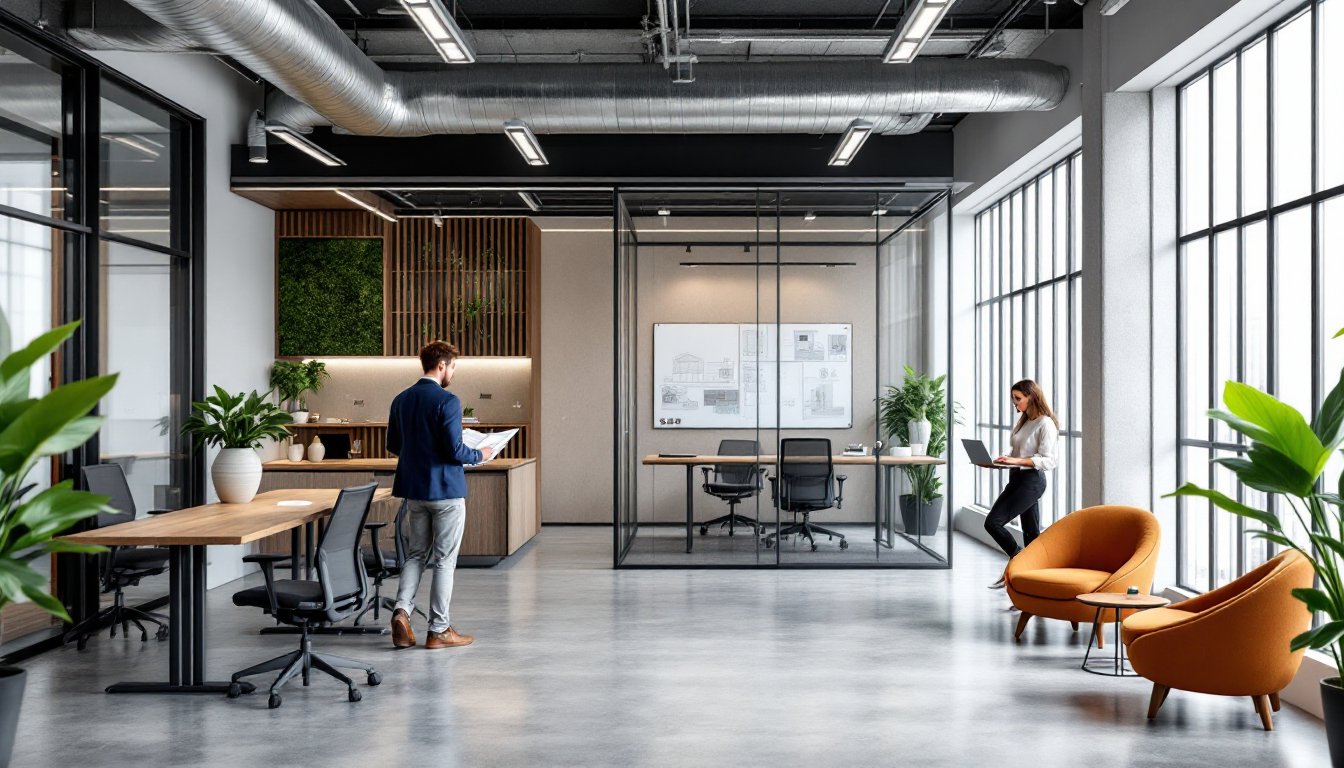
Interior commercial design isn’t about picking pretty colors for an office lobby, it’s about creating spaces that drive productivity, reinforce brand identity, and directly impact a business’s bottom line. Whether you’re a DIY enthusiast tackling a home office buildout or a small business owner renovating a retail space, understanding commercial design principles can transform a functional room into a strategic asset. This guide breaks down the fundamentals, key differences from residential work, and actionable trends shaping commercial interiors in 2026.
Key Takeaways
- Interior commercial design drives productivity and brand identity by balancing function, safety codes, and ROI—well-designed spaces can increase employee retention by 33% and boost customer dwell time by 20%.
- Commercial spaces must meet stricter building codes (IBC, NFPA, ADA) and use durable, commercial-grade materials that withstand foot traffic and meet fire safety requirements, unlike residential standards.
- Effective interior commercial design starts with space planning that engineers traffic flow, establishes proper egress paths (minimum 44-inch corridors), and creates functional zones using bubble diagrams and full-scale mockups.
- Branding and visual identity must be integrated throughout the space with consistent color codes, finishes, signage, and wayfinding that communicate brand values the moment visitors enter.
- 2026 trends in commercial design include biophilic elements, flexible modular spaces, warm minimalism with curved furniture, smart tech integration, and sustainability certifications like LEED and GREENGUARD Gold.
- DIY enthusiasts and small business owners can apply commercial design principles by investing in durable finishes, layered lighting (50–75 foot-candles), one quality commercial-grade furniture piece, and verifying local zoning and ADA compliance before building.
What Is Interior Commercial Design and Why Does It Matter?
Interior commercial design is the practice of planning and executing interior spaces for business use, offices, retail stores, restaurants, healthcare facilities, and more. Unlike residential design, which prioritizes personal comfort and aesthetics, commercial design must balance function, safety codes, brand messaging, and return on investment.
Every element serves a purpose. A restaurant layout isn’t just about table arrangement: it’s engineered for server efficiency, kitchen workflow, and customer turnover rates. Retail spaces use strategic lighting and fixture placement to guide shoppers and highlight merchandise. Offices optimize for collaboration zones, quiet work areas, and acoustics.
The financial stakes are higher, too. A well-designed commercial space can increase employee retention by up to 33% and boost customer dwell time by 20%, according to recent research on workplace design. Poor design? That means lost productivity, higher turnover, and missed sales. That’s why most commercial projects require licensed designers familiar with ADA compliance, fire safety codes, and zoning regulations, all of which vary by jurisdiction and building type.
Key Differences Between Commercial and Residential Interior Design
Commercial and residential design operate under different rules, budgets, and building codes. Here’s what sets them apart:
Codes and Permits: Commercial spaces must meet stricter building codes, International Building Code (IBC) for structure, National Fire Protection Association (NFPA) for fire safety, and Americans with Disabilities Act (ADA) for accessibility. Residential work typically follows the International Residential Code (IRC), which is less stringent. Expect permit requirements for almost any commercial alteration, including non-structural finishes like millwork or ceiling changes.
Materials and Durability: Commercial interiors use commercial-grade flooring (Class 1 or Class 2 carpet tiles, luxury vinyl tile rated AC4 or higher), fire-rated wall assemblies, and impact-resistant finishes. Residential materials won’t hold up to foot traffic or meet code. For example, residential paint typically covers 350–400 square feet per gallon: commercial-grade coatings may require two coats plus primer on porous surfaces like drywall or CMU block.
Scale and Timeline: Commercial projects involve multiple contractors, longer lead times for custom millwork or furniture, and phased installations to avoid business downtime. A 2,000-square-foot office remodel might take 8–12 weeks versus 3–4 weeks for a comparable residential space.
Budget Structure: Commercial budgets account for per-square-foot costs (often $50–$200+ depending on use), FF&E (furniture, fixtures, and equipment) as a separate line item, and lifecycle costs, because a commercial tenant expects finishes to last 7–10 years minimum, not the 3–5 typical in homes. Understanding these distinctions is critical before diving into designing a home office or small business space.
Essential Elements of Effective Commercial Interior Design
Space Planning and Traffic Flow Considerations
Space planning is the backbone of commercial design. It’s not about filling square footage, it’s about engineering movement, adjacencies, and code compliance.
Start with a bubble diagram that maps functional zones: entry, circulation, work areas, support spaces (restrooms, storage, mechanical). Then overlay egress paths. Most commercial spaces require two means of egress, and corridors must be at least 44 inches wide per IBC (wider for high-occupancy buildings). Travel distance to an exit can’t exceed 200 feet in non-sprinklered buildings, 250 feet with sprinklers.
Traffic flow dictates furniture placement. In retail, the “decompression zone”, the first 5–15 feet inside the entrance, should be open and uncluttered: customers need a moment to adjust before engaging. Offices use the 60/40 rule: 60% open/collaborative space, 40% private/focus areas. Restaurants calculate table spacing at 24–30 inches between seat backs for servers to pass comfortably.
Pro tip: Use full-scale mockups with painter’s tape on the floor. It’s easier to adjust a tape line than a built partition. And always account for door swing clearance, ADA requires 18 inches on the pull side, 12 inches on the push side, measured from the door edge to the nearest obstruction.
Branding and Visual Identity Integration
Commerce depends on recognition. A commercial interior must telegraph brand identity the moment someone walks in. That means consistent use of brand colors, logo placement, and material palettes that align with the company’s market position.
For example, a tech startup might lean into polished concrete floors, exposed ductwork, and modular workstations, materials that signal agility and innovation. A law firm? You’ll see wood paneling, stone accents, and neutral upholstery, finishes that communicate stability and trust, much like principles of proportion and balance guide residential aesthetics.
Branding extends to the material finish schedule. Specify paint by brand and color code (e.g., Sherwin-Williams SW 7006 Extra White, eggshell finish). Note tile size and grout color, wood species and stain, and fabric grade for upholstery. Commercial vendors won’t accept “light gray”, you need Pantone 423 C or an equivalent standard.
Don’t overlook wayfinding and signage. ADA requires tactile and Braille signs for permanent rooms (restrooms, exits, room numbers), mounted 48–60 inches above the floor on the latch side of the door. Directional signs and branding graphics have more flexibility, but they’re part of the visual narrative.
If you’re designing a presentation board for a client pitch, include swatches, finish samples, and scaled floor plans, commercial clients expect detail, not sketches.
Popular Commercial Design Styles and Trends for 2026
Commercial design trends shift with work culture, technology, and sustainability mandates. Here’s what’s gaining traction in 2026:
Biophilic Design: Living walls, natural light, and organic materials aren’t just trendy, studies show they reduce stress and absenteeism. Expect to see moss walls, reclaimed wood slat ceilings, and oversized planters in lobbies and break rooms. Use low-VOC finishes and specify plants that tolerate low light if natural daylight is limited.
Flexible and Modular Spaces: Hybrid work is here to stay. Offices are swapping fixed cubicles for movable partitions, height-adjustable desks, and reconfigurable seating. Look for products with tool-free assembly and casters rated for commercial carpet. Retail spaces are adopting mobile fixtures that can be rearranged for events or seasonal displays.
Warm Minimalism: The sterile, all-white office is out. Designers are layering textured fabrics, warmer neutrals (taupes, terracotta, soft grays), and curved furniture to soften edges. Think bouclé lounge chairs, wood-look LVT flooring, and ambient LED lighting with dimming controls. Publications like Elle Decor showcase how residential warmth is migrating into high-end commercial lobbies.
Tech Integration: Expect wireless charging built into desktops, video conferencing in every meeting room, and smart lighting systems (Lutron, Crestron) that adjust color temperature throughout the day. Specify dedicated circuits for high-draw equipment and coordinate with an electrician to meet NEC Article 645 for IT equipment rooms.
Sustainability and Transparency: Clients want proof. Look for LEED-certified materials, EPDs (environmental product declarations), and third-party certifications like Cradle to Cradle or GREENGUARD Gold. Flooring should have high recycled content: paints should meet SCAQMD VOC limits. Some jurisdictions now require embodied carbon reporting for commercial renovations over a certain square footage.
How to Apply Commercial Design Principles to Home Offices and Small Businesses
You don’t need a six-figure budget to borrow from commercial design. Here’s how DIYers and small business owners can apply these principles:
Start with a Floor Plan: Measure the space, walls, windows, door swings, and draw it to scale (1/4″ = 1′ works for most rooms). Plot your desk, storage, and seating with traffic lanes at least 36 inches wide. If clients visit, ensure ADA-compliant clearances: 60-inch turning radius for wheelchairs, 32-inch minimum door width.
Choose Durable, Cleanable Finishes: Upgrade from residential-grade materials. Use semi-gloss or satin paint (easier to wipe down than flat), LVT or tile flooring instead of carpet, and solid-surface or laminate countertops (Wilsonart, Formica) for work surfaces. These finishes hold up to daily use and look professional longer.
Layer Task and Ambient Lighting: Overhead fixtures alone create shadows. Add under-cabinet LED strips (2700–3000K color temperature for warmth), a desk lamp with adjustable arm, and dimmable recessed cans (4-inch retrofit kits are DIY-friendly). Aim for 50–75 foot-candles at the work surface, higher than typical residential lighting but necessary for detailed tasks. Incorporating patterns in finishes or textiles can add visual interest without overwhelming a small space.
Invest in One Commercial-Grade Piece: A task chair rated for 8+ hours (look for BIFMA certification) or a height-adjustable desk will outlast cheaper residential furniture. Expect to spend $300–$800, but factor in the 10-year lifespan versus replacing a big-box chair every two years.
Brand Your Space (Even at Home): Paint an accent wall in your brand color, frame your logo or mission statement, and keep branding consistent across business cards, signage, and digital backgrounds. If you’re video conferencing, arrange the background like a contemporary lobby design might, clean, intentional, and distraction-free.
Permits and Codes for Home-Based Businesses: If you’re seeing clients at home, check local zoning. Some jurisdictions require a home occupation permit and compliance with ADA public accommodation rules if customers enter your space. Adding a bathroom? That’s a building permit and must meet IRC or IBC, depending on classification. Don’t skip this, unpermitted work can complicate insurance claims and resale.
Safety First: Install hard-wired smoke detectors (required in commercial spaces), a fire extinguisher rated ABC, and GFCI outlets within 6 feet of sinks (per NEC). If you’re cutting or drilling, wear safety glasses and a dust mask (N95 minimum for drywall dust). Commercial contractors follow these protocols on every job, so should you.