

Designing a New York City apartment is a different beast than decorating a suburban home. With the average Manhattan studio clocking in around 500 square feet and rent eating a third of most paychecks, every square inch counts. But limited space doesn’t mean limited style, it means making smarter choices about layout, furniture scale, and storage. This guide walks through the practical <a href="https://pinelightdesigns.com/new-york-school-of-interior-design-acceptance-rate-what-you-need-to-know/”>design strategies that make NYC apartments feel larger, work harder, and look better without requiring a gut renovation or trust fund budget.
Key Takeaways
- Interior design for NYC apartments requires strategic planning around immovable constraints—radiators, limited closets, and structural limitations—rather than costly renovations or trust funds.
- Create a scaled floor plan before purchasing any furniture, ensuring pieces fit through doorways and maintaining 30-36 inches of clearance for walkways to preserve livability.
- Use zoning techniques like area rugs, open-back shelving, and layered lighting to define multiple functional spaces without adding walls in small layouts.
- Choose appropriately-scaled furniture with exposed legs and narrow arms over bulky pieces; measure carefully since a queen bed in a 10×12 bedroom leaves minimal breathing room.
- Maximize vertical space with ceiling-height shelving, high-mounted curtain rods, and multi-function storage (ottomans with drawers, platform beds, wall-mounted organizers) to overcome closet shortages.
- Warm whites and strategic mirror placement enhance natural light and perceived space, while separate ambient, task, and accent lighting layers make interiors feel intentional without the constraints of larger square footage.
Understanding the Unique Challenges of NYC Apartment Design
NYC apartments come with constraints most DIY guides ignore: oddly placed radiators, ancient steam heat, landlord-dictated white walls, zero closet space, and windows that face brick walls six feet away. Pre-war buildings offer character (and lead paint), while modern high-rises deliver clean slabs with paper-thin walls.
Structural limitations matter. Most rentals prohibit wall removal, and even condo owners face load-bearing walls that can’t budge without engineers and permits. That means working with existing layouts rather than against them.
Natural light is scarce. North-facing windows or air-shaft views deliver minimal daylight, making color and lighting choices critical. And noise, both from neighbors and street traffic, drives material decisions for rugs, curtains, and wall treatments.
Understanding proportion in interior design becomes essential when furniture catalogs show pieces photographed in 2,000-square-foot lofts. A sectional that looks modest online can devour a studio.
Maximize Space with Smart Layout Planning
Before buying a single piece of furniture, measure the apartment and draw a scaled floor plan. Use 1/4-inch graph paper or free tools like RoomSketcher. Mark immovable elements: radiators, outlets, windows, doorways, and their swing paths.
Traffic flow determines livability. Maintain 30-36 inches of clearance for primary walkways. In tight studios, that might mean floating furniture away from walls rather than pushing everything to the perimeter. A sofa placed three feet from the wall with a narrow console table behind it creates a visual room divider while preserving flow.
Anchoring zones with rugs helps define spaces without adding walls. A 5×7 or 6×9 rug under a dining table separates eating areas from sleeping zones in a studio. Use different rug textures to reinforce boundaries, a flatweave jute under the dining table, a plush wool under the seating area.
Vertical space is wasted real estate. Install shelving up to the ceiling, stack storage, and mount TVs to free up floor area. High-mount curtain rods, installed an inch below the ceiling rather than at window height, make ceilings feel taller.
Zone Your Apartment for Multiple Functions
Effective zoning turns one room into three. Use furniture as dividers: a bookshelf perpendicular to the wall creates a bedroom area without blocking light. Open-back shelving maintains sightlines while providing storage on both sides.
Murphy beds and convertible furniture suit true micro-apartments under 400 square feet, but they’re overkill for most studios. A quality sofa bed with a real mattress (not a futon) handles guests without daily transformations.
Lighting reinforces zones better than any divider. A pendant over the dining table, a floor lamp by the sofa, and bedside sconces create distinct areas. Avoid single overhead fixtures that flatten the space into one indistinct room.
Flexible workspaces matter post-2020. A wall-mounted fold-down desk or a slim console table (12-14 inches deep) behind the sofa provides a workspace that disappears when not in use. Pair it with a task lamp and a stool that tucks underneath.
Choose the Right Color Palette and Lighting
White walls reflect light and make spaces feel larger, but stark white in a north-facing room looks gray and depressing. Warm whites with cream or greige undertones (like Benjamin Moore White Dove or Sherwin-Williams Alabaster) add warmth without shrinking the room.
If painting is allowed, consider color blocking, one accent wall in a deeper tone adds depth. In narrow railroad apartments, painting the far wall a shade darker pulls focus and makes the space feel less tunnel-like. Avoid bright, saturated colors on large surfaces: they overwhelm small rooms.
Lighting layers matter more than square footage. Combine three types: ambient (overhead or ceiling-mounted), task (desk lamps, reading lights), and accent (picture lights, LED strips). Renters can use plug-in wall sconces and track lighting that doesn’t require hardwiring.
Daylight-balanced LED bulbs (5000K) simulate natural light in dim apartments, but they feel clinical in evening hours. Use 2700-3000K warm white LEDs for living areas and save daylight bulbs for work zones. Dimmers add flexibility, and smart bulbs allow color temperature adjustments without rewiring.
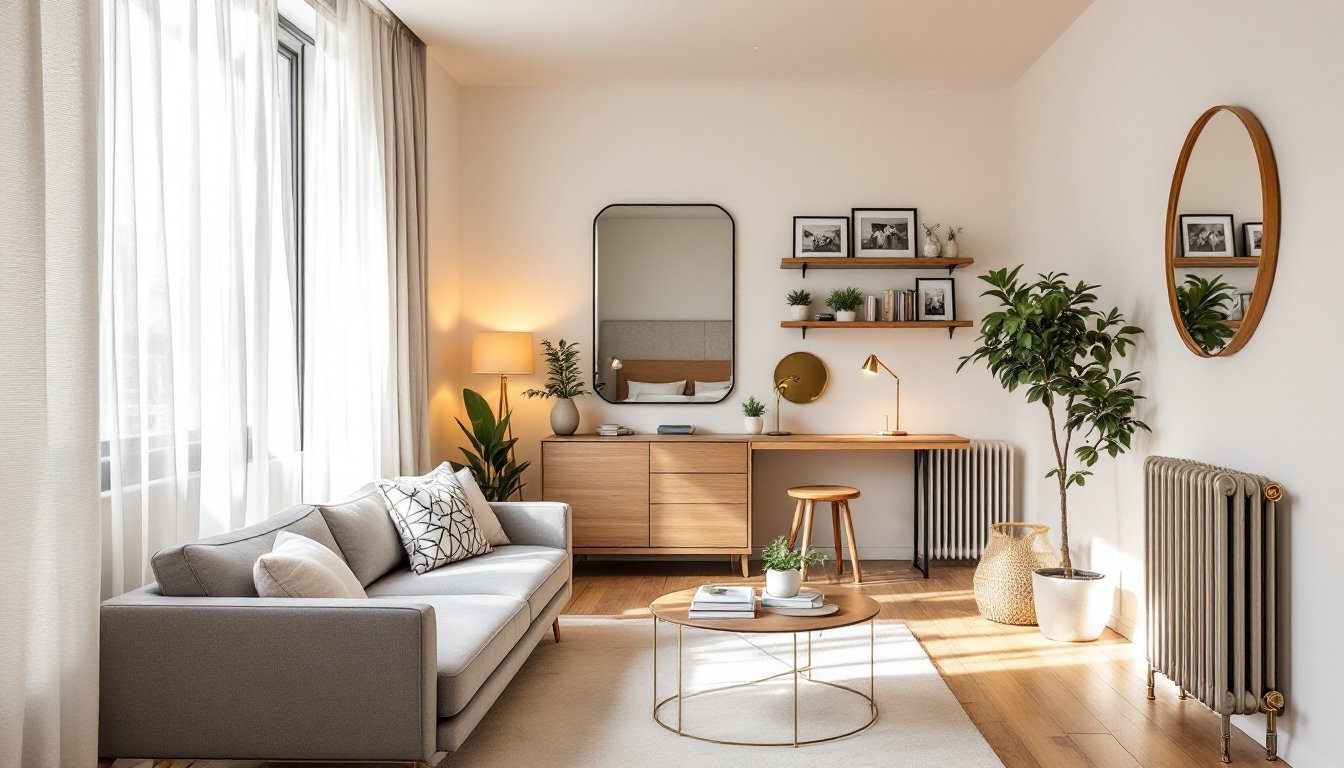
Mirrors amplify light but require strategic placement. Across from windows, they reflect natural light. Across from a blank wall, they just reflect emptiness. Avoid placing mirrors directly opposite beds or seating, constantly seeing your reflection is disconcerting.
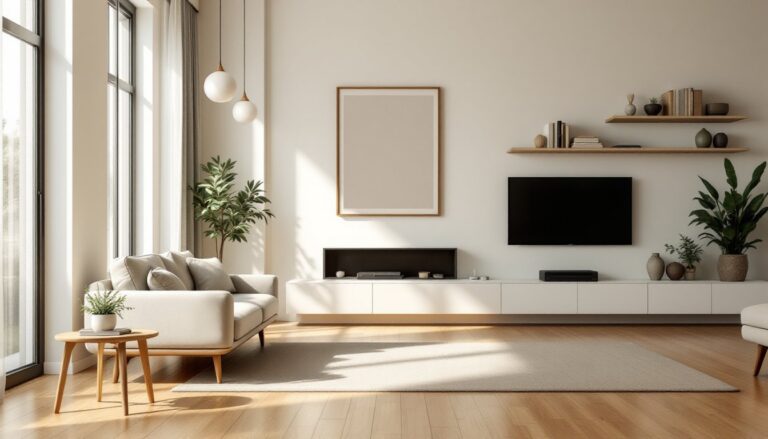
Exploring designs from modern living spaces can offer inspiration for cohesive color and lighting schemes that work in compact urban settings.
Furniture Selection Strategies for Small NYC Apartments
Scale is everything. Measure doorways and hallways before buying, many NYC apartments have 28-30 inch doors and narrow stairs. If it won’t fit through the door, it won’t fit in the apartment. Modular sectionals and furniture with removable legs solve this problem.
Multi-function pieces earn their keep. An ottoman with internal storage, a coffee table that lifts to dining height, or a bed frame with built-in drawers eliminates the need for separate items. But avoid gimmicky furniture that does three things poorly, quality matters more than cleverness.
Proportions should match the room, not catalog styling. In a 10×12 bedroom, a queen bed (60×80 inches) leaves minimal clearance. A full-size bed (54×75 inches) provides more breathing room and makes the space feel less cramped. Side tables can be 12-16 inches wide instead of standard 24-inch nightstands.
Leg style affects perceived space. Furniture with exposed legs (mid-century modern styles, for example) feels lighter than skirted sofas or platform beds that sit flat on the floor. The visible floor beneath creates an illusion of more square footage.
Transparent furniture like acrylic chairs or glass tables reduces visual clutter. They function fully but don’t add bulk. A glass dining table seats four without the visual weight of wood or metal.
Arm width on sofas and chairs steals precious inches. A sofa with 4-inch arms versus 8-inch rolled arms gains usable seating width. Track arms and English arms are more space-efficient than lawson or pillow-top styles.
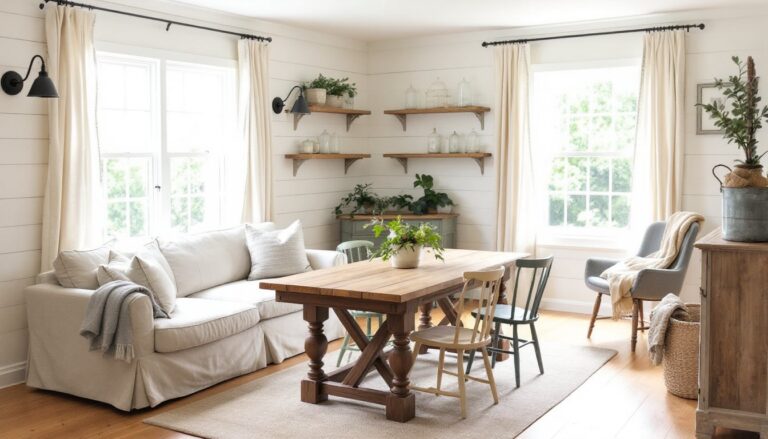
Consider viewing options at home design galleries to compare furniture scales and styles suited to compact layouts, and factor in interior design costs early in the planning process to avoid budget overruns.
Storage Solutions That Don’t Sacrifice Style
Closets in NYC apartments are notoriously insufficient, some studios offer a single 24-inch-wide closet for all belongings. Freestanding wardrobes (also called armoires) add hanging and shelf space without construction. Look for pieces 60-72 inches tall that maximize vertical space without overwhelming the room.
Under-bed storage captures dead space. Bed risers lift frames to accommodate 12-14 inch storage bins. Platform beds with built-in drawers eliminate the need for a separate dresser. Avoid bed skirts that hide storage access, use a fitted sheet or no skirt at all.
Wall-mounted shelving and cabinets preserve floor space. Floating shelves (installed into studs with proper anchors) hold books, decor, and everyday items. Kitchen wall space can accommodate magnetic knife strips, hanging pot racks, and pegboards for utensils. In rentals, use damage-free mounting systems rated for appropriate weight.
Vertical storage hacks:
- Over-door organizers for shoes, cleaning supplies, or pantry items
- Ceiling-mounted pot racks in kitchens with high ceilings
- Wall-mounted fold-down drying racks in bathrooms
- Pegboard walls in entryways for keys, bags, and coats
Kitchen storage requires creativity. Pull-out drawer organizers, lazy Susans in corner cabinets, and stackable shelving inserts double usable space. Magnetic spice racks mount inside cabinet doors. Under-sink areas benefit from tiered shelving that works around plumbing.
Bathroom storage focuses upward. Over-toilet shelving units, wall-mounted medicine cabinets, and shower caddies that hang from showerheads (not tension rods that damage tile grout) add capacity. Pedestal sinks look elegant but offer zero storage, consider a small wall-mounted sink with a cabinet underneath instead.
For more ideas on maximizing tight quarters, browse small space solutions that focus on function without sacrificing design, and explore pattern in interior design to add visual interest to storage-heavy walls.
Conclusion
NYC apartment design isn’t about making do with less, it’s about making every choice count. Measure twice, choose furniture that fits the space (not the catalog), and prioritize vertical storage. Light and color shape perception as much as square footage. With deliberate planning and smart trade-offs, even the smallest apartment can feel intentional, functional, and genuinely yours.