

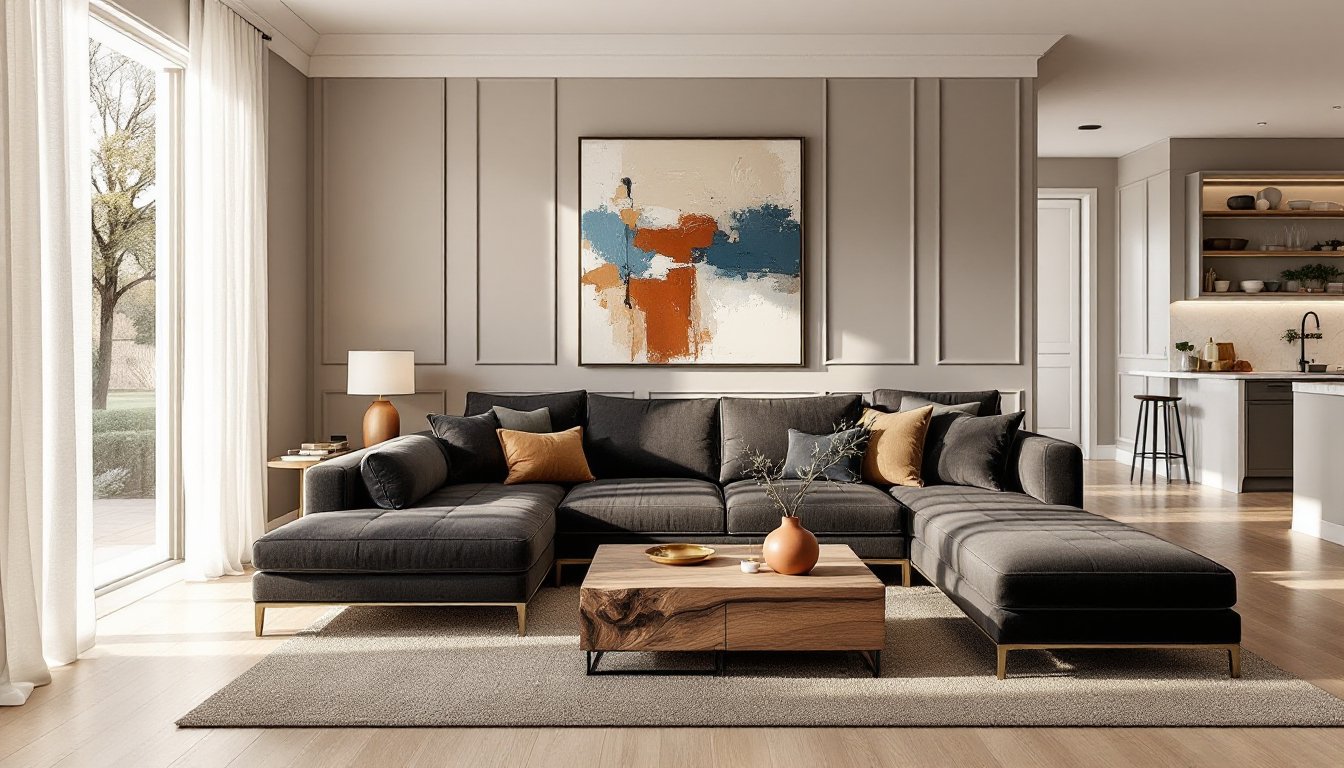
Modern luxury interior design isn’t about covering every surface in marble or gold leaf, it’s about curating spaces that feel both elevated and livable. The approach has evolved from “more is more” opulence to a refined aesthetic that balances high-end materials, intentional minimalism, and personal expression. Whether someone’s renovating a single room or planning a whole-house refresh, understanding the core principles behind this style helps create interiors that look expensive without necessarily very costly. It’s less about following rigid rules and more about making deliberate choices that layer sophistication into everyday living spaces.
Key Takeaways
- Modern luxury interior design prioritizes quality materials, clean lines, and intentional curation over excessive ornamentation, creating spaces that feel elevated without unnecessary expense.
- Investment in high-impact surfaces like countertops, flooring, and lighting yields the greatest returns, while strategic material choices like quartz, engineered hardwood, and luxury vinyl plank deliver luxury aesthetics on various budgets.
- Neutral color palettes with carefully selected accent colors—repeated at least three times throughout a space—establish cohesion and sophistication without overwhelming the design.
- Statement lighting fixtures, architectural details like board-and-batten paneling, and sculptural furniture pieces serve as focal points that define a space without clutter.
- DIY projects including floor refinishing, door upgrades, and custom built-ins allow homeowners to achieve modern luxury finishes while significantly reducing renovation costs.
What Defines Modern Luxury Interior Design?
Modern luxury interior design blends contemporary aesthetics with premium finishes and a focus on quality over quantity. Unlike traditional luxury styles that lean heavily on ornate details and period-specific furniture, the modern approach strips away excess to spotlight craftsmanship, materials, and spatial flow.
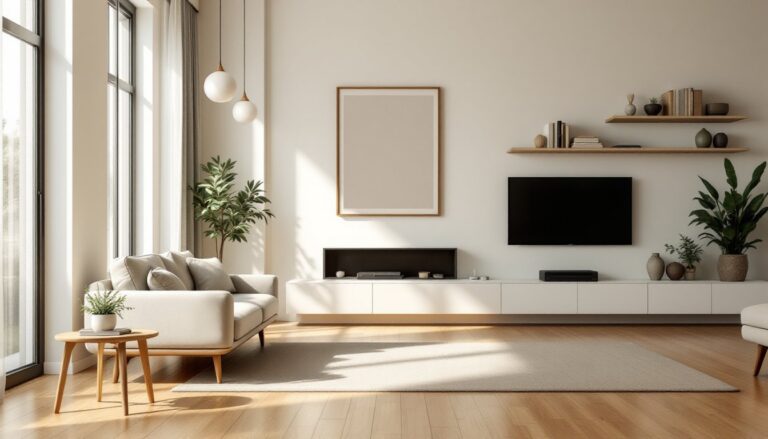
At its core, this style emphasizes clean architectural lines, neutral or muted color schemes, and thoughtfully edited furnishings. It’s not sparse minimalism, there’s warmth and texture, but every piece earns its place. Think a sculptural velvet sofa anchoring a living room rather than a cluster of mismatched seating.
The “luxury” component comes through in material selection and execution. Natural stone countertops, engineered hardwood or wide-plank oak flooring, and custom millwork signal quality without shouting. These aren’t always the most expensive options, but they’re chosen for longevity and tactile appeal.
Lighting plays an outsized role. Statement fixtures, whether a geometric chandelier or linear LED cove lighting, serve as functional art. Layered lighting (ambient, task, and accent) adds depth and lets occupants adjust the mood. Dimmer switches on every circuit aren’t optional: they’re essential.
Spatial planning matters as much as decoration. Open floor plans with defined zones, generous ceiling heights (9 feet minimum where possible), and sightlines that flow from room to room all contribute to that sense of ease. When renovating, removing non-load-bearing walls can open up space, but always verify with a structural engineer or architect before swinging a sledgehammer.
Essential Elements of Modern Luxury Interiors
Premium Materials and Refined Textures
Material choice separates a well-decorated room from a genuinely luxurious one. Marble, quartzite, and porcelain slabs dominate countertops and backsplashes, offering durability alongside visual impact. For flooring, engineered hardwood in 5- to 7-inch-wide planks or large-format tile (24×24 inches or larger) creates a seamless, high-end look. Avoid laminate or vinyl that mimics these materials, the difference is noticeable underfoot and under scrutiny.
Textiles add warmth without clutter. Linen, wool, silk blends, and performance velvets in upholstery and drapery introduce tactile contrast. A wool area rug anchors a seating area: linen Roman shades soften windows without fussy pleats. Keep fabrics in neutral tones or subtle patterns, large-scale geometric prints or tonal stripes work better than busy florals.
Metallic finishes, brushed brass, matte black, polished nickel, or unlacquered bronze, should be consistent within a space. Mixing metals can work, but limit it to two finishes max and repeat each at least three times (cabinet pulls, light fixtures, plumbing fixtures). This repetition creates cohesion rather than chaos.
Natural elements ground the palette. A live-edge walnut console, travertine side table, or textured stone accent wall brings organic imperfection into otherwise polished spaces. These pieces often work best as focal points: too many competing natural textures can muddy the aesthetic.
Clean Lines with Statement Pieces
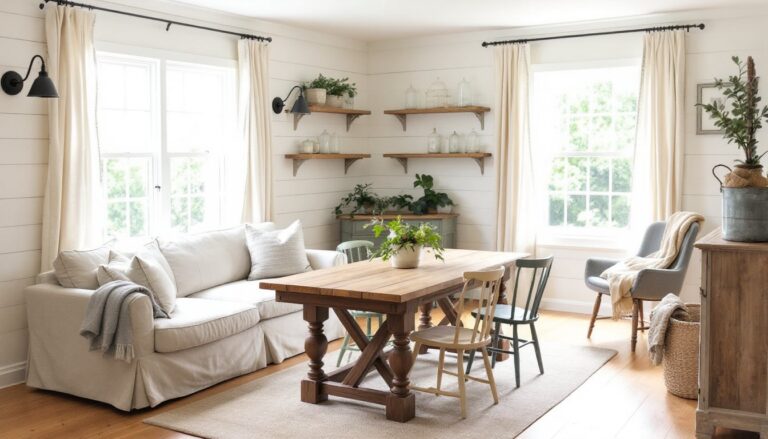
Modern luxury thrives on restraint, but that doesn’t mean boring. Architectural details, like shiplap paneling, board-and-batten wainscoting, or coffered ceilings, add dimension without ornate molding. If installing wainscoting, use 1×4 or 1×6 boards (actual dimensions ¾×3.5 or ¾×5.5 inches) with a simple cap rail. Paint in the same color as walls for a subtle effect, or use contrasting tones for drama.
Statement furniture should be sculptural and well-proportioned. A low-profile sectional with clean cushion lines, a cantilevered credenza, or a pedestal dining table with a honed stone top all fit the brief. Avoid overstuffed pieces or anything with visible nailhead trim, those read traditional, not modern.
Artwork and décor follow the “less is more” rule. One large-scale piece (48×60 inches or bigger) makes more impact than a gallery wall of smaller prints. When hanging art, center it at 57 to 60 inches from the floor to the center of the piece, the standard museum height. Use picture lights or adjustable track lighting to highlight key works.
Built-ins offer storage and display without visual clutter. Floor-to-ceiling cabinetry with push-to-open doors (no hardware) or recessed pulls keeps sightlines clean. If building custom units, consider ¾-inch plywood carcasses with hardwood face frames for durability. Paint-grade MDF works for painted finishes but requires priming with a stain-blocking primer to prevent tannin bleed.
Color Palettes That Exude Elegance
Modern luxury palettes lean neutral but aren’t bland. Warm whites, soft grays, beiges, taupes, and deeper charcoals form the foundation, with accent colors used sparingly. Think a charcoal accent wall behind a bed or cabinetry in a moody navy rather than painting every wall the same safe beige.
Warm neutrals like greige (gray-beige hybrids) and warm whites with cream undertones feel more inviting than stark cool grays, which can read sterile. Test paint samples on multiple walls and observe them in morning, midday, and evening light, undertones shift dramatically depending on natural light exposure. A gallon of sample paint covers roughly 400 square feet, enough for two coats on a small room.
When introducing accent colors, pull from nature: terracotta, olive green, rust, dusty blue, or deep plum. These work as upholstery, throw pillows, or artwork rather than wall color. A single accent hue repeated in three spots (a painting, a pair of pillows, and a ceramic vase) ties a room together without overwhelming it.
Monochromatic schemes in varying tones of one color create sophistication with minimal effort. A living room in shades of taupe, from light linen drapes to a darker taupe sofa to charcoal throw blankets, feels cohesive and intentional. Vary textures to prevent monotony: smooth leather, nubby wool, polished stone, and matte-painted wood all in the same color family keep the eye engaged.
Architectural elements like trim and ceilings don’t always need to be white. Painting trim and walls the same color in a satin or eggshell finish blurs boundaries and makes rooms feel larger. Alternatively, deeper trim colors in matte black or charcoal create crisp contrast against lighter walls, a hallmark of contemporary design. Always use separate sheens, walls in eggshell or matte, trim in satin or semi-gloss, to differentiate surfaces.
How to Achieve Modern Luxury on Any Budget
Luxury doesn’t require unlimited funds, but it does demand strategic spending. Focus budget on high-impact, high-touch surfaces: countertops, flooring, and primary fixtures (faucets, hardware, lighting). These get used daily and set the tone for a space.
For countertops, quartz offers a luxury look at a mid-range price ($50–$100 per square foot installed, depending on region). It’s non-porous, low-maintenance, and comes in marble-look patterns that rival the real thing. If budget allows, quartzite, a natural stone harder than granite, runs $70–$150 per square foot installed and offers unique veining.
Flooring matters more than wall color. Luxury vinyl plank (LVP) with a rigid core mimics hardwood or stone at a fraction of the cost ($3–$7 per square foot installed). Look for planks at least 7 inches wide and 48 inches long for a high-end appearance. Always let LVP acclimate to the room’s temperature and humidity for 48 hours before installation to prevent buckling.
Paint is the cheapest transformation but buy quality. Premium paints like Benjamin Moore Aura or Sherwin-Williams Emerald cost $60–$80 per gallon but cover better (often one coat over primer) and hold up to cleaning. One gallon typically covers 350–400 square feet per coat. DIYers can handle most paint jobs with a 3-inch angled brush for cutting in and a 9-inch roller with a ½-inch nap for walls. Use painter’s tape and drop cloths: cleanup takes longer than taping.
Splurge on lighting fixtures where they’re visible. A statement pendant over a dining table or island creates a focal point. Budget fixtures work in closets, laundry rooms, and other utilitarian spaces. When wiring new fixtures, DIYers comfortable with electrical work can swap fixtures on existing junction boxes, but adding new circuits or moving junction boxes requires a licensed electrician and permits in most jurisdictions. Follow NEC (National Electrical Code) requirements, improper wiring is a fire and insurance liability.
Furniture doesn’t need designer labels. Mid-century modern reproductions or contemporary pieces from direct-to-consumer brands often mimic high-end designs at accessible prices. Prioritize a few quality anchors, a solid wood dining table, a well-constructed sofa, and fill in with budget-friendly accent pieces. A $200 vintage credenza refinished with new hardware and a fresh stain can rival a $2,000 showroom piece.
DIY projects that elevate spaces include installing board-and-batten paneling, building floating shelves from solid wood or plywood with hardwood edging, or refinishing existing hardwood floors. Floor refinishing requires renting a drum or orbital sander ($40–$60 per day), buying sandpaper in 36, 60, and 100 grits, and applying two to three coats of polyurethane. It’s labor-intensive but costs a fraction of replacement ($1–$3 per square foot DIY vs. $8–$15 per square foot for new hardwood installed).
Architectural upgrades yield outsized returns. Swapping hollow-core interior doors for solid-core or five-panel doors ($80–$150 per door) adds heft and quality. Upgrading baseboards from 2¼-inch colonial to 5¼-inch or taller profiles modernizes trim work. Both projects are DIYer-friendly with a miter saw, brad nailer, and caulk. Pre-prime and paint before installation to save time.
Accessorizing requires editing. A few well-chosen pieces, a ceramic vase, a sculptural bowl, a pair of linen pillows, make more impact than shelves crammed with tchotchkes. Shop for luxurious textures in budget-friendly retailers: a linen duvet cover from a mid-range brand feels as good as a designer version. According to design trends analysis, investing in quality textiles elevates perceived value far beyond cost.
Conclusion
Modern luxury interior design boils down to intentional choices, prioritizing quality materials, clean lines, and cohesive color schemes over trendy gimmicks. It’s achievable at multiple budget levels by focusing investment on surfaces and fixtures that matter, then layering in texture and personality through furnishings and décor. Whether DIYing a refresh or planning a larger renovation, the principles remain the same: edit ruthlessly, choose deliberately, and let craftsmanship speak louder than clutter.