

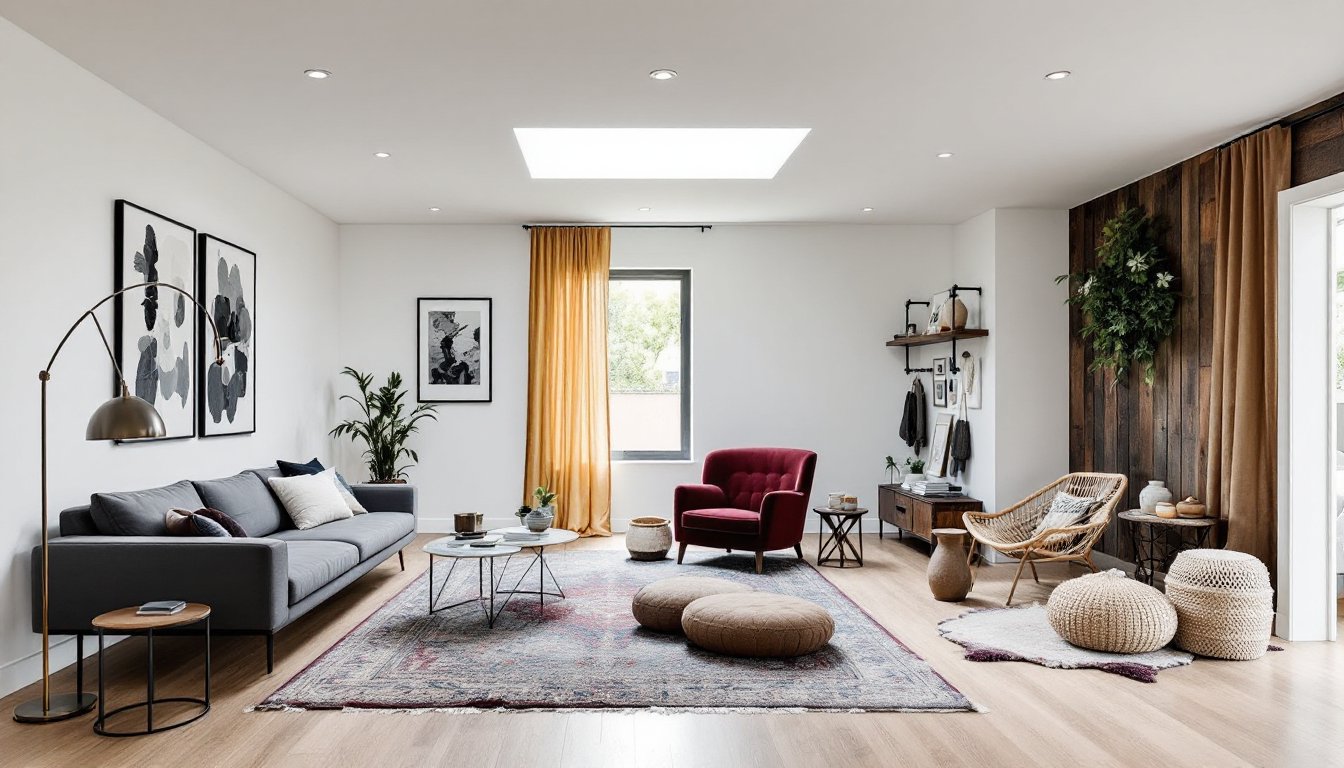
Interior design isn’t just about making a room look pretty, it’s about creating a space that works for how you actually live. Whether you’re planning a full renovation or just tired of staring at beige walls, understanding design styles helps you make intentional choices instead of impulse buys that don’t fit together. From sleek modern lines to cozy farmhouse vibes, each style has distinct characteristics, material preferences, and spatial approaches. This guide breaks down the major interior design categories, what defines them, and how to figure out which one suits your home and lifestyle.
Key Takeaways
- Different types of interior design—from modern and traditional to rustic and eclectic—provide frameworks that guide intentional material, furniture, and color choices rather than impulse purchases.
- Modern and contemporary styles emphasize clean lines and minimal ornamentation, while traditional design draws from 18th–19th-century influences with rich wood finishes, detailed millwork, and layered textiles.
- Rustic and natural-inspired styles like farmhouse use reclaimed wood, earthy color palettes, and lived-in finishes that are forgiving of imperfections and DIY-friendly to execute.
- Eclectic design works by mixing styles and periods through intentional repetition of color, shape, and texture, allowing you to blend mid-century modern with Moroccan rugs or vintage French elements cohesively.
- Choose your interior design style by assessing your home’s architecture, considering your lifestyle and maintenance needs, and testing ideas before committing to paint colors or large furniture purchases.
- You don’t need to commit one style to your entire home—mixing modern kitchens with traditional bedrooms works well when transitions are tied together through consistent flooring, trim, or accent colors.
What Is Interior Design and Why Style Matters
Interior design is the practice of shaping interior spaces to be functional, safe, and visually cohesive. It goes beyond decoration, it involves spatial planning, understanding proportion and scale, selecting materials that suit the use case, and often coordinating with structural or mechanical systems during renovations.
Style matters because it provides a framework. When you know you’re working toward, say, a mid-century modern aesthetic, you’re not just grabbing random furniture, you’re selecting pieces with tapered legs, warm wood tones, and clean lines. That clarity saves time, money, and the frustration of a room that never quite comes together.
Different styles also reflect different priorities. Some emphasize durability and natural materials, others prioritize minimalism and open space, and still others celebrate color, pattern, and personal expression. Understanding the fundamentals of asymmetrical balance can help arrange furniture and decor in ways that feel intentional rather than accidental.
Choosing a style doesn’t mean every room has to match perfectly. But having a baseline aesthetic makes it easier to mix finishes, select paint colors, and know when to stick with a design rule versus when to break it.
Modern and Contemporary Interior Design Styles
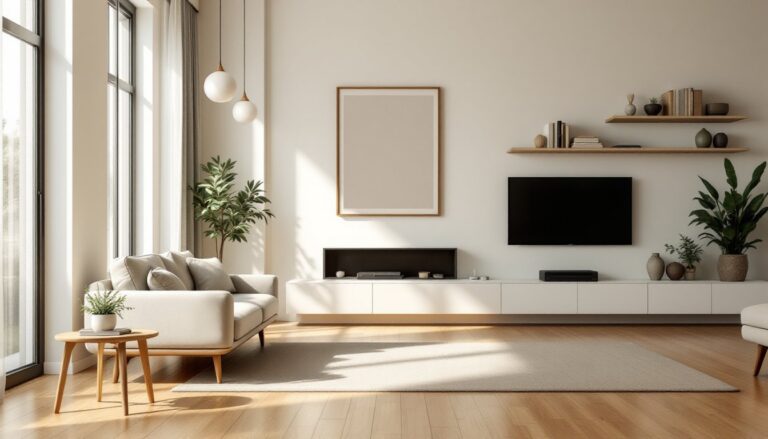
Modern design refers to a specific historical period, roughly the early to mid-20th century, and is rooted in minimalism, function, and rejection of ornamentation. Think open floor plans, neutral palettes (white, black, gray, beige), natural materials like wood and leather, and furniture with clean, geometric lines. Modern spaces often feature large windows, uncluttered surfaces, and a focus on form following function.
Key materials include steel, glass, concrete, and hardwoods with minimal staining or distressing. Flooring is often wide-plank oak or polished concrete. Walls stay simple, drywall with flat paint, rarely wallpaper. Lighting fixtures tend toward sculptural shapes: globe pendants, arc floor lamps, or recessed cans for a streamlined ceiling.
Contemporary design, on the other hand, is always evolving, it reflects what’s current. As of 2026, contemporary interiors lean into organic curves, warmer neutrals (taupe, greige, soft terracotta), sustainable materials, and layered textures. You’ll see more rounded furniture, natural fiber rugs, and finishes like matte black or brushed brass.
Both styles avoid heavy drapery, excessive trim, and busy patterns. If you’re renovating, that might mean simplifying door casings to 2-1/4″ flat-profile trim instead of traditional multi-step moldings, or swapping out ornate baseboards for clean 3-1/2″ or 5-1/4″ MDF baseboards with a simple beveled edge.
These styles work well in open-concept homes and lofts. They’re also forgiving for DIYers who want a polished look without needing advanced carpentry skills, tight joints and crisp paint lines go a long way.
Traditional and Classic Design Approaches
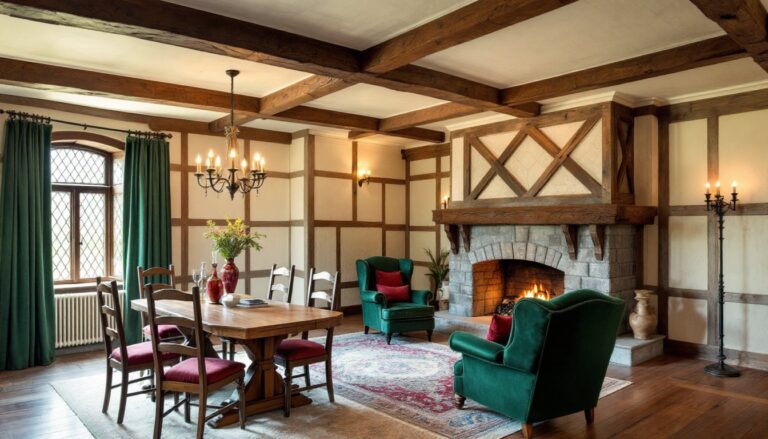
Traditional design pulls from 18th- and 19th-century European influences, think English manor homes, French country estates, and American colonial architecture. It’s characterized by symmetry, rich wood finishes, layered textiles, and detailed millwork.
Furniture often features turned legs, carved details, and upholstered pieces in fabrics like velvet, damask, or toile. Wood tones skew darker: cherry, mahogany, walnut. Crown molding, wainscoting, and coffered ceilings are common architectural elements. If you’re adding these yourself, expect to work with 3-1/2″ to 5-1/2″ crown molding and beadboard or raised-panel wainscoting typically installed 32″ to 36″ above the floor.
Color palettes lean warm and saturated, deep reds, golds, navy, forest green, often with multiple coordinating patterns in a single room. Window treatments are layered: sheers under heavy drapes with valances or swags.
Traditional spaces benefit from attention to proportion and scale, especially when mixing furniture heights and choosing appropriately sized rugs and artwork.
This style requires more finish carpentry skill and material cost than modern or contemporary. Mitered corners on crown molding need to be tight, especially on anything stained rather than painted. If you’re DIYing, a compound miter saw is almost essential for cutting accurate angles on trim installed at spring angles.
Traditional design suits homes with good bones, older construction with plaster walls, hardwood floors, and existing architectural detail. It’s harder to retrofit into a builder-grade ranch without looking forced.
Rustic and Natural-Inspired Styles
Rustic design emphasizes raw, natural materials and a connection to the outdoors. Subcategories include farmhouse, industrial-rustic, and mountain lodge aesthetics, but they share common threads: exposed wood, metal accents, and a lived-in, unpretentious feel.
Reclaimed lumber is a hallmark, whether it’s rough-sawn barn wood as an accent wall, hand-hewn beams (real or faux), or wide-plank pine flooring with visible knots and grain variation. If you’re sourcing reclaimed wood, check moisture content with a pin-type moisture meter, it should be below 12% before installation to prevent warping.
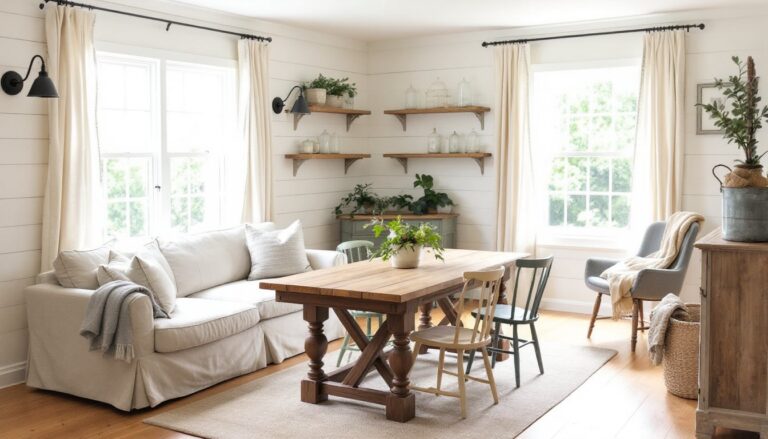
Color palettes are earthy: whites, creams, grays, browns, with pops of muted blue, sage, or rust. Walls might be shiplap (real or MDF planks), board-and-batten, or simply painted drywall in warm whites. Avoid ultra-bright or cool-toned whites, they clash with the warmth of natural wood.
Farmhouse style specifically leans into vintage or reproduction fixtures: apron-front sinks, oil-rubbed bronze hardware, and open shelving in kitchens. Industrial-rustic mixes in metal elements, steel pipe shelving, Edison bulb fixtures, concrete or steel countertops.
These styles are DIY-friendly. Shiplap installation, for instance, is straightforward with a pneumatic brad nailer and 1×6 or 1×8 pine boards (actual dimensions 3/4″ × 5-1/2″ or 3/4″ × 7-1/4″). You can use nickel spacers between boards for consistent reveals.
Rustic works well in ranch homes, cabins, and suburban houses where a more formal aesthetic feels out of place. It’s also forgiving, imperfections, dings, and patina are part of the appeal, so you don’t need perfect finish work.
Eclectic and Personalized Design Types
Eclectic design is the art of mixing styles, periods, and influences in a way that feels cohesive rather than chaotic. It’s not about throwing random pieces together, it’s about finding common threads (color, shape, texture) that tie disparate elements into a unified space.
You might pair a mid-century modern sofa with a Moroccan rug, industrial lighting, and a vintage French mirror. The key is intentional repetition: if you introduce brass in one area, echo it elsewhere. If you use bold patterns in textiles, balance them with solid-colored furniture.
Bohemian (boho) is a popular eclectic subset, characterized by rich colors, global textiles, layered rugs, plants, and a collected-over-time vibe. Materials include rattan, macramé, kilim, and lots of natural fibers.
Maximalist design is another eclectic branch, it embraces abundance. Think gallery walls floor to ceiling, saturated color on every surface, bold wallpaper, and packed bookshelves. It’s the opposite of minimalism, but it still requires curation. The line between maximalist and cluttered is thin: editing and visual balance keep it on the right side.
Eclectic styles work in any home but especially suit older houses with quirky layouts, mixed architectural details, or renters who can’t make permanent changes. You can layer in personality with removable wallpaper, swappable art, and portable furniture.
From a DIY perspective, eclectic is forgiving, there’s no single “right” material or finish, so you can experiment. Just watch your color palette and scale. A small room can handle bold pattern and color if you keep larger pieces (sofa, rug) in a cohesive range.
How to Choose the Right Interior Design Style for Your Home
Start by assessing what you already have and what’s architecturally fixed. A 1920s bungalow with original trim and hardwood floors fights against ultra-modern minimalism. A new-construction open-concept home with 9-foot ceilings and builder-grade finishes is a blank slate that can go modern, farmhouse, or eclectic with the right interventions.
Consider your lifestyle. Do you have kids, pets, or hobbies that generate mess? Rustic and eclectic styles handle wear better than pristine modern white interiors. Do you entertain often? Open, contemporary layouts and durable materials make sense. Do you work from home? Traditional and transitional styles often create cozier, more focused spaces.
Look at inspiration, but critically. Platforms like Dwell and Homify offer thousands of images. Save 10–15 favorites, then analyze what they share: color temperature, material types, furniture shapes, level of ornamentation. That pattern reveals your true preferences, not just what looked good in one photo.
Think about budget and skill level. Modern and contemporary styles often require fewer materials but demand precision, clean lines show every flaw. Traditional styles need more trim, more labor, and often pricier materials. Rustic and farmhouse styles are材料-flexible and DIY-friendly but can look cheap if you skimp on quality wood or use too much distressed-painted everything.
Understanding interior design costs upfront helps set realistic expectations and prevents mid-project sticker shock.
Don’t lock yourself into one style for the whole house. It’s fine to have a modern kitchen, a cozy traditional bedroom, and an eclectic home office, as long as transitions between spaces aren’t jarring. Use flooring, trim color, or a consistent accent color to tie things together.
Finally, test before committing. Paint a sample board and live with it for a week. Buy one piece of furniture in a new style and see if it works. If you’re considering formal design education, that’s a bigger decision, but even short courses or workshops can sharpen your eye and confidence.
Conclusion
Interior design styles aren’t rigid rules, they’re starting points that help you make faster, smarter decisions about materials, furniture, and finishes. Whether you’re drawn to the clean lines of modern design, the warmth of rustic farmhouse, or the curated abundance of eclectic maximalism, understanding the fundamentals gives you control over your space. Test ideas, trust your instincts, and remember that the best interiors reflect how you actually live, not just what looks good in a magazine.