

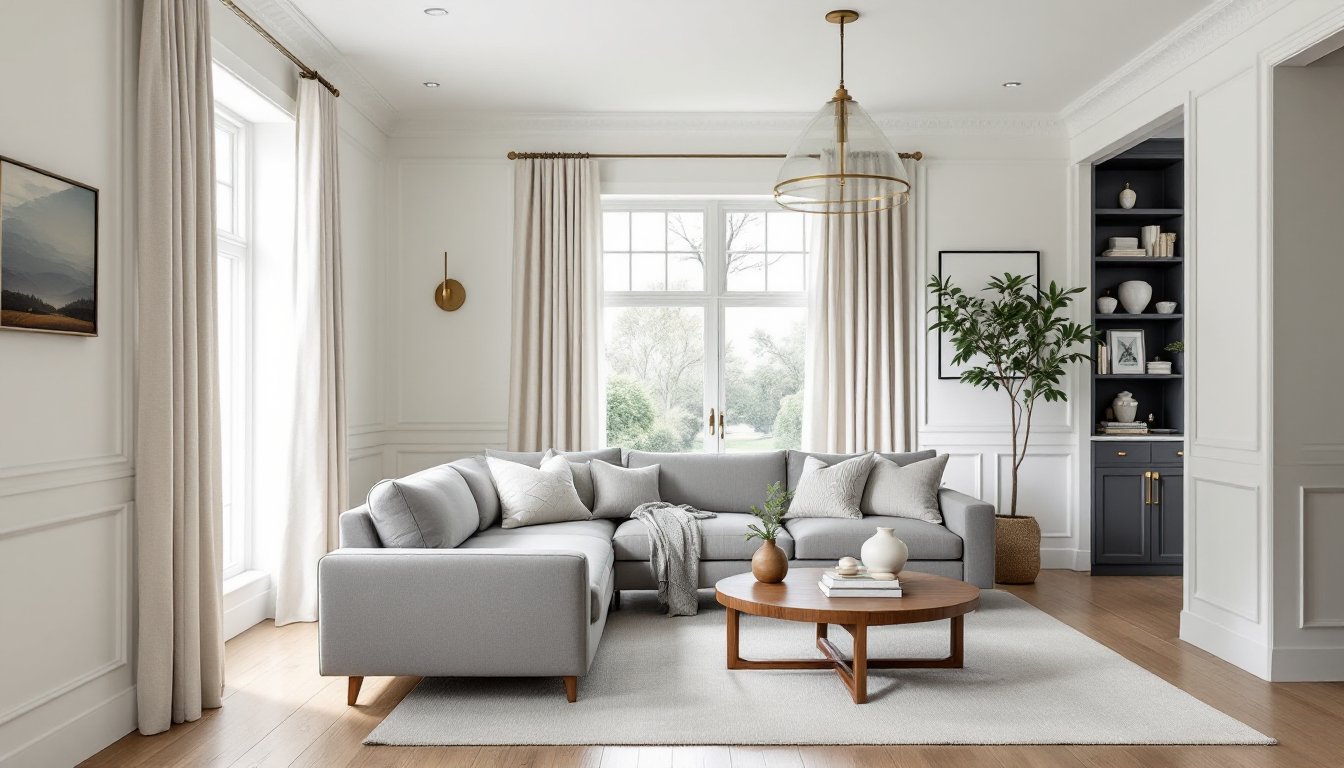
Luxury interior design isn’t just about throwing money at expensive furniture, it’s about creating spaces that feel purposeful, refined, and timeless. Whether someone’s renovating a single room or building from the ground up, understanding what separates high-end design from standard decor can help homeowners make smarter choices. This guide breaks down the core elements of luxury residential interiors, explores current design styles, and offers practical strategies for achieving an elevated look without blowing the budget.
Key Takeaways
- Luxury residential interior design prioritizes craftsmanship, intentionality, and attention to detail over expensive price tags, creating cohesive spaces where every element serves a purposeful role.
- Quality materials—such as engineered hardwood flooring, natural stone countertops, plywood cabinetry with dovetail joinery, and premium paints—are foundational to achieving a high-end aesthetic that endures.
- Proper lighting design with layered light sources at multiple heights and dimmer controls is essential to luxury interiors and shouldn’t be compromised with cheap fixtures or inadequate lumen output.
- Custom millwork and built-in features that integrate seamlessly with existing architecture transform a well-designed space into something memorable and refined.
- Achieving luxury residential interior design on a realistic budget requires strategic prioritization: invest in visible architectural upgrades, quality foundational pieces, and timeless materials while DIYing non-precision work.
- Avoiding trendy elements in favor of timeless choices like white oak, Carrara marble, and classic proportions ensures your luxury interior design remains relevant and valuable for years to come.
What Defines Luxury Residential Interior Design
Luxury residential design is defined by intentionality, quality, and attention to detail. It’s not about filling a room with high-priced items, it’s about creating a cohesive environment where every element serves a purpose and contributes to the overall aesthetic.
At its core, luxury design prioritizes craftsmanship over quantity. A single handcrafted walnut dining table with dovetail joinery will always outshine a mass-produced piece, no matter the finish. The same principle applies to architectural details: crown molding with clean miters, baseboards that meet flush at inside corners, and door casings with reveals that stay consistent throughout the space.
Proportion and scale play a critical role. In high-end interiors, furniture fits the room, not the other way around. A sectional that eats up 80% of a living room’s footprint doesn’t read as luxurious, even if it’s upholstered in Italian leather. Designers calculate spatial relationships carefully, ensuring walkways stay clear and sightlines remain unobstructed.
Lighting is another defining factor. Luxury spaces layer light sources at multiple heights: recessed cans for ambient illumination, sconces or picture lights for task and accent work, and statement fixtures (chandeliers, pendants) as focal points. Dimmer switches on every circuit allow occupants to adjust mood and functionality. Cheap fixtures with visible seams, plastic components, or inadequate lumen output undermine even the best furniture and finishes.
Essential Elements of High-End Interior Spaces
Quality Materials and Finishes That Elevate Your Home
Material selection separates luxury interiors from standard builds. In flooring, that means choosing engineered hardwood (5/8″ or thicker wear layer) or natural stone (marble, travertine, limestone) over laminate or vinyl plank. Hardwood should be site-finished when possible, prefinished boards save time, but site finishing allows for custom stain matching and a seamless, monolithic appearance after sanding.
Countertops in luxury kitchens and baths typically use natural stone slabs (granite, quartzite, marble) or engineered quartz with full-height backsplashes and mitered edges. Laminate and tile counters, no matter how well-installed, don’t convey the same level of permanence. For backsplashes, consider slab stone, large-format porcelain (24″×48″ or bigger), or handmade tile with visible texture. Grout lines should stay narrow, 1/16″ for rectified tile, and grout color should either match or intentionally contrast, never fall into a muddy middle ground.
Cabinets and millwork should be plywood box construction with dovetail or dado joinery, not particleboard with staples. Drawer boxes need solid wood sides, undermount soft-close slides rated for 100 lbs, and full-extension travel. Hardware (pulls, knobs, hinges) should be solid brass, stainless steel, or bronze, never hollow or plated zinc alloy that’ll tarnish in a year. Many design professionals emphasize the importance of understanding material longevity when specifying finishes.
Paint and wall treatments matter more than most homeowners realize. Luxury interiors use low-VOC paints with high hide and smooth flow, typically in matte, eggshell, or satin sheens depending on the room. Flat paint shows every ding but photographs beautifully: semi-gloss works for trim and doors. Wall prep is non-negotiable: skim-coat any imperfections, sand to 220 grit, prime with a stain-blocking product, and apply two finish coats. Textured walls and orange-peel spray texture don’t belong in high-end spaces.
The Role of Custom Features and Bespoke Details
Custom features transform a well-executed space into something memorable. Built-ins, bookcases, window seats, entertainment centers, should look integral to the architecture, not added as an afterthought. That means scribing to walls, coping crown molding returns, and using the same base and casing profiles found elsewhere in the home.
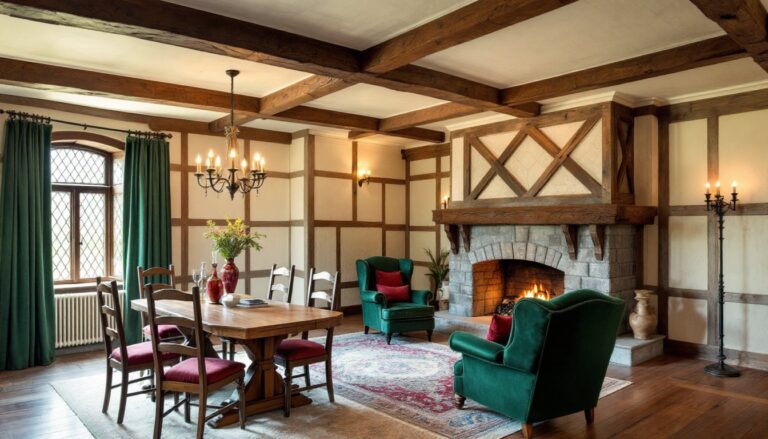
Architectural millwork can include coffered ceilings, wainscoting (traditionally 32″–36″ tall, with stiles and rails proportioned to the room), and decorative beam work. Real wood beams add weight and authenticity: faux beams (hollow polyurethane or lightweight wood shells) can work in non-structural applications but should be stained and distressed to match surrounding finishes.
Custom window treatments, drapery with blackout lining, motorized roller shades, or wooden shutters, offer both function and refinement. Off-the-rack panels in standard lengths rarely fit correctly and bunch awkwardly at the floor. Luxury treatments are typically made to measure, mounted at ceiling height (or just below the crown), and extend 6″–12″ beyond the window frame on each side to maximize natural light when open.
Hardware throughout the home should maintain a consistent finish family. Mixing brushed nickel, oil-rubbed bronze, and polished chrome in adjacent rooms creates visual chaos. Pick one primary finish (and one accent, if necessary) and commit. The same goes for plumbing fixtures: kitchen faucets, bath faucets, shower valves, and towel bars should share a design language.
Popular Luxury Design Styles for Modern Homes
Several design styles dominate the luxury residential market in 2026, each with distinct material palettes and architectural cues.
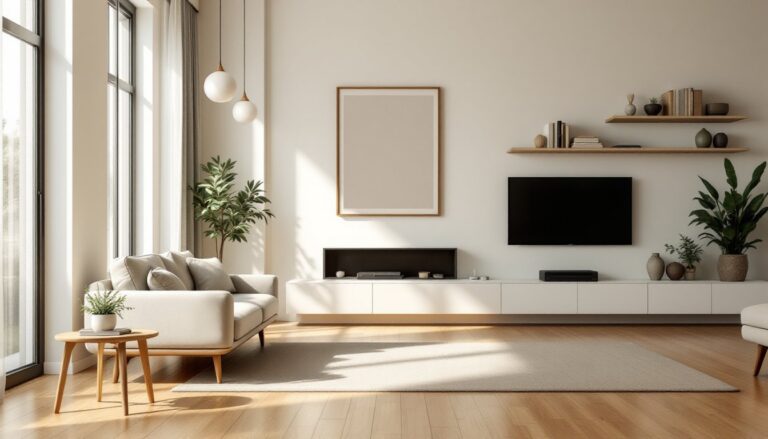
Modern minimalism emphasizes clean lines, neutral colors, and restrained ornamentation. Walls stay white or light gray (Sherwin-Williams Alabaster, Benjamin Moore Chantilly Lace), floors use wide-plank oak or polished concrete, and cabinetry features slab doors with integrated pulls. Furniture is low-profile with exposed legs, and accessories are limited to a few sculptural pieces. This style requires flawless execution, any misaligned joint or uneven paint line becomes a focal point.
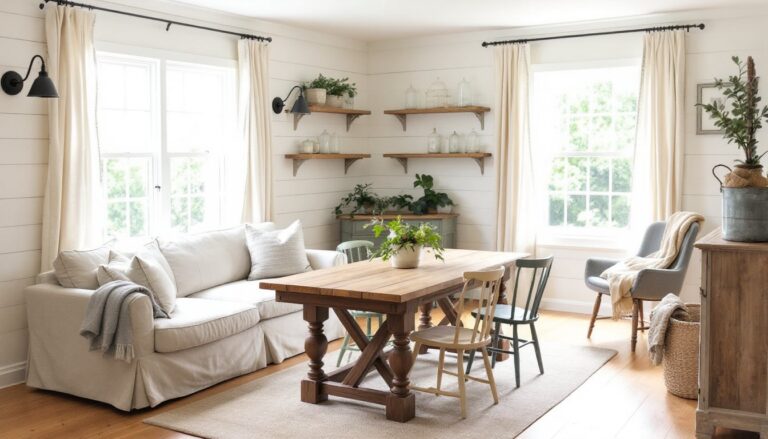
Contemporary transitional blends traditional proportions with modern materials. Think Shaker-style cabinetry in a matte charcoal finish, marble counters with waterfall edges, and upholstered furniture with clean-lined frames and nailhead trim. Lighting often mixes vintage-inspired fixtures (Edison bulbs, aged brass) with modern geometry. This style appeals to homeowners who want warmth and familiarity without feeling dated. Designers working on high-end interior projects frequently showcase transitional spaces that balance classic and current elements.
Organic modern has gained traction in recent years, favoring natural materials, earthy tones, and textured surfaces. Expect lime-washed walls, reclaimed wood accents, linen upholstery, and stone in its raw or honed state rather than polished. Color palettes pull from nature: warm terracotta, sage green, ochre, and charcoal. This style works especially well in homes with large windows and strong connections to outdoor spaces.
Art Deco revival brings back the glamour of the 1920s and ’30s with geometric patterns, rich jewel tones (emerald, sapphire, burgundy), and metallic accents in brass or gold. Furniture features curved silhouettes, velvet upholstery, and lacquered finishes. Flooring might include herringbone or chevron hardwood patterns, and lighting leans toward sculptural chandeliers and sconces with glass or crystal elements. This style demands confidence, it’s not subtle, and it doesn’t apologize for being bold. Many current interior design trends reflect a renewed interest in pattern and texture inspired by this era.
Scandinavian luxury takes the hygge-driven aesthetic and elevates it with premium materials. White oak floors, wool textiles, and matte black metal accents form the base. Furniture is understated but beautifully crafted, often from Danish or Swedish makers. Lighting is soft and layered, with an emphasis on natural light during the day. This style suits homeowners who value function, simplicity, and a sense of calm.
How to Achieve a Luxury Look on a Realistic Budget
Luxury doesn’t require unlimited funds, it requires smart allocation and a willingness to prioritize.
Start with architectural upgrades. Replacing hollow-core doors with solid-core or five-panel versions makes a bigger visual impact than any furniture purchase. Upgrading baseboards from 3″ to 5″ or 7″ (using MDF primed boards if budget is tight) adds instant refinement. Installing picture frame molding or board-and-batten wainscoting costs mostly labor, and both are within reach of intermediate DIYers.
Invest in fewer, better pieces. One well-made sofa in a neutral fabric will outlast and outperform three cheap ones. When evaluating upholstery, check the frame construction (kiln-dried hardwood, corner blocks, double-doweled joints), cushion fill (high-density foam or down-wrapped cores), and fabric durability (Martindale rub count above 25,000 for high-use areas). Buy secondhand from reputable vintage dealers or estate sales, mid-century pieces in solid walnut or teak often cost less than new particleboard furniture and hold value over time.
Focus on lighting and hardware. Swapping builder-grade fixtures for semi-flush mounts with brass or matte black finishes instantly elevates a space. Look for fixtures with metal canopies and glass shades, avoiding anything plastic. Cabinet and door hardware can be upgraded for $3–$8 per pull or knob, multiply by the number of cabinets and doors to budget accordingly. Choosing understated designs in solid metal pays dividends. Homeowners exploring material costs and budget planning will find that prioritizing visible finishes yields the best return on investment.
Use paint strategically. A high-quality paint job (proper prep, premium product, careful cutting-in) costs the same in labor whether the paint is $30 or $70 per gallon, spring for the better product. Consider accent walls in moody tones (navy, forest green, charcoal) or textured finishes like venetian plaster or limewash for a custom look without custom pricing.
DIY where skills allow, hire for precision work. Hanging drywall, mudding seams, and taping inside corners takes practice, bad drywall finishing telegraphs through any paint. Same with tile: lippage (uneven tile edges), inconsistent grout lines, and poor layout planning ruin otherwise good materials. If the project involves water, electrical, or structural elements, hire licensed professionals. Permits exist for a reason, and inspections catch issues before they become expensive failures.
Shop salvage and surplus. Architectural salvage yards carry doors, mantels, light fixtures, and hardware at a fraction of retail. Surplus building material stores sell overstock tile, stone, and hardwood. A 12″×24″ marble tile surplus lot might run $4–$6 per square foot versus $15–$20 retail. Buy 10–15% extra for cuts and future repairs. Incorporating decorative patterns and textures can add personality to budget-friendly materials.
Limit trendy elements. Luxury interiors age well because they avoid fads. Subway tile, white oak floors, and Carrara marble never go out of style. Rose gold fixtures, shiplap accent walls, and barn doors might not hold up as long. Choose timeless base layers and introduce personality through textiles, art, and accessories that can be swapped as tastes evolve.
Conclusion
Luxury residential interior design is less about budget and more about intentionality. Quality materials, thoughtful details, and cohesive execution create spaces that feel expensive and enduring. Whether working with a designer or tackling projects independently, focusing on craftsmanship and timeless choices will always outperform chasing trends or cutting corners on foundational elements.