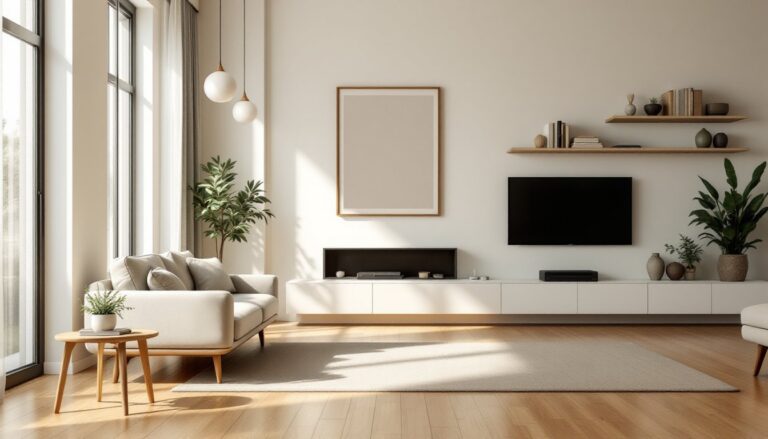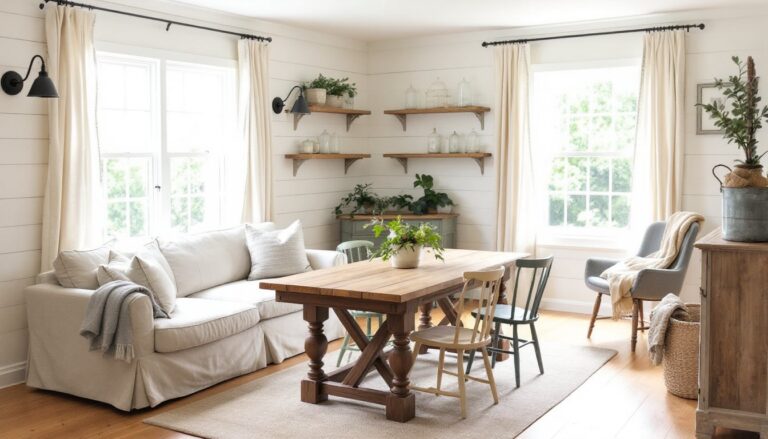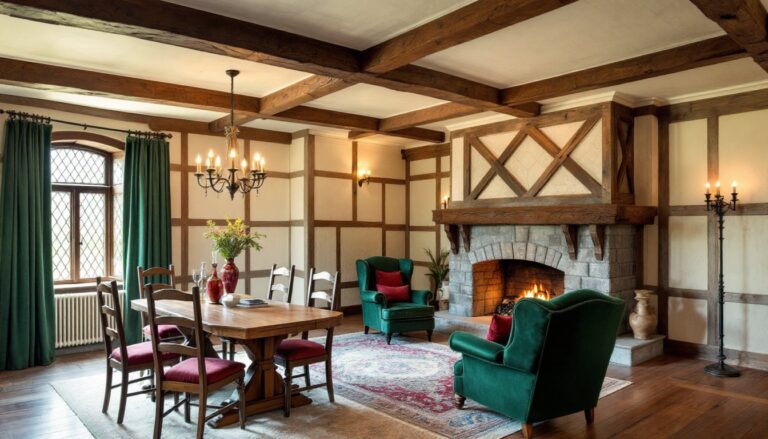


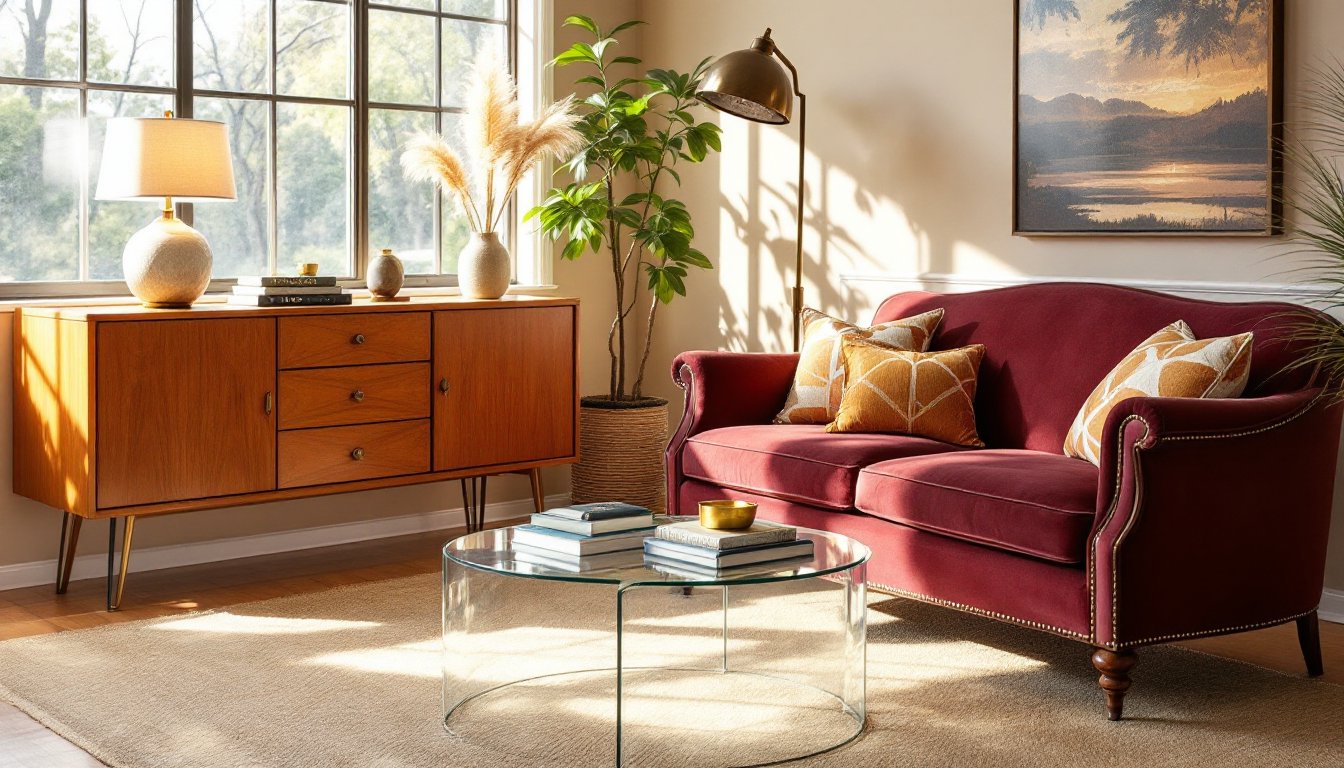
Vintage eclectic interior design isn’t about throwing random old furniture into a room and hoping for the best. It’s a deliberate design approach that mixes pieces from different eras, blending them into spaces that feel both collected and intentional. Unlike minimalist trends that rely on uniformity, eclectic design rewards risk-taking, pairing a mid-century credenza with Victorian textiles or industrial lighting with Art Deco mirrors. Done right, it creates rooms with personality and depth. Done poorly, it looks like a thrift store exploded. This guide breaks down the core principles, sourcing strategies, and balancing techniques that help homeowners pull off this style without professional help.
Key Takeaways
- Vintage eclectic interior design deliberately mixes furniture from different eras with a unified sensibility through color, scale, and curation rather than random placement.
- Successful vintage eclectic spaces require at least three distinct time periods represented, with visual balance taking priority over matching styles or eras.
- Layer textures and patterns strategically using the rule of three—one dominant pattern, one medium-scale pattern, and one subtle pattern that share connecting colors.
- Source authentic vintage pieces from estate sales, thrift stores, flea markets, and online platforms, prioritizing solid wood construction and checking for makers’ marks before purchasing.
- Balance vintage character with modern functionality by anchoring walls in neutral colors, using contemporary pieces for daily-use furniture, and repeating materials like brass or wood tones throughout your space.
- Edit ruthlessly and keep only vintage pieces that serve a function, support your color scheme, or bring genuine joy to avoid the cluttered appearance that separates curated eclectic design from thrift-store chaos.
What Is Vintage Eclectic Interior Design?
Vintage eclectic design is a mix-and-match approach that combines furniture, decor, and architectural elements from multiple time periods, typically spanning from the early 1900s through the 1980s. The “vintage” qualifier means most pieces should have genuine age or authentic vintage reproduction quality, not brand-new items styled to look old.
The “eclectic” part refers to the intentional blending of styles that wouldn’t traditionally share a room. A 1950s Eames locker sits next to a 1920s velvet settee. A farmhouse table gets paired with Lucite chairs from the ’70s. The common thread isn’t era or style, it’s a unified sensibility created through color palette, scale, and deliberate curation.
This differs from other design styles in a key way: there’s no rulebook dictating what belongs. Unlike traditional or modern farmhouse design, which have clear material and color parameters, eclectic design operates on visual balance and personal taste. That freedom makes it accessible for DIYers working with existing furniture or budget constraints, but it also demands a stronger eye for composition.
The style became popular as a reaction to mass-produced furniture and cookie-cutter interiors. Homeowners wanted spaces that reflected personal history, travel, and finds, not showroom floors. It’s inherently sustainable, too, since it prioritizes reusing and repurposing older pieces rather than buying new.
Key Elements That Define the Vintage Eclectic Look
Two foundational skills separate successful eclectic spaces from cluttered ones: mixing eras without chaos, and layering textures and patterns without overwhelming the eye. Both require intentionality.
Mixing Different Eras and Periods
The trick to combining furniture from different decades is finding a unifying element, color, material, or form. A Victorian carved wood chair and a streamlined 1960s teak sideboard can coexist if they share a similar wood tone or if the room’s color scheme ties them together.
Start by anchoring the room with one or two larger vintage statement pieces, a mid-century sofa, an antique armoire, or a retro dining table. These set the tone. Then layer in smaller pieces from other eras as accents: a 1940s desk lamp, a rattan chair from the ’70s, or an industrial metal stool.
Avoid having too many pieces from a single era in one room unless you’re deliberately creating a period-specific space. A room that’s 80% mid-century isn’t eclectic, it’s mid-century with a couple of outliers. Aim for at least three distinct time periods represented in any given room.
Scale and proportion matter more than matching. A bulky 1930s leather club chair can anchor a space next to a delicate 1950s hairpin-leg side table because their proportions balance each other visually. Watch out for too many heavy, ornate pieces in one room, it reads as cluttered rather than curated.
Layering Textures, Patterns, and Colors
Eclectic design thrives on tactile variety. Smooth leather, nubby wool, worn wood, polished brass, and rough linen all bring different sensory qualities that make a room feel lived-in and dynamic.
When layering patterns, the rule of three works well: pick one dominant pattern (e.g., a bold floral or geometric rug), one medium-scale pattern (throw pillows or curtains), and one small or subtle pattern (a textured weave or small print). Make sure they share at least one or two colors to create visual cohesion.
Color schemes in eclectic spaces don’t need to be neutral, but they do need a through-line. Many successful pattern-heavy eclectic rooms use a base of two or three main colors that appear in various pieces throughout the space, then add pops of contrasting hues.
Texture is where vintage pieces shine. An old velvet sofa, a mid-century teak credenza, a brass floor lamp, and a jute rug each contribute different finishes that layer visual interest without needing bold color. In fact, rooms with neutral color palettes often rely entirely on texture and material variation for depth.
Don’t shy away from mixing glossy and matte finishes. Pairing a lacquered 1970s coffee table with a matte ceramic vase and rough wood shelving creates contrast that feels intentional.
How to Source Authentic Vintage Pieces for Your Home
Finding genuine vintage furniture and decor takes more effort than ordering from a catalog, but it’s also more affordable and rewarding. Here’s where to look and what to watch for.
Estate sales and auctions are gold mines for authentic vintage pieces, especially higher-quality furniture from the 1920s through 1960s. Arrive early on the first day for the best selection. Bring a tape measure, flashlight, and cash, many estate sales don’t take cards. Inspect joints, drawer glides, and upholstery closely. Solid wood furniture with dovetail joints is worth refinishing: particle board isn’t.
Thrift stores and consignment shops require more patience but often yield budget-friendly finds. Visit regularly, as inventory turns over fast. Look for pieces with good bones that might need refinishing or reupholstering. A $40 chair with solid wood frame and worn fabric is a better investment than a $200 flat-pack chair from a big box store.
Online marketplaces like Facebook Marketplace, Craigslist, and Chairish expand your range but require due diligence. Ask for detailed photos of joints, labels, and any damage. For pricier items, meet in person before buying. Many platforms like Homify also provide inspiration galleries that can help you identify styles and periods before you shop.
Flea markets and antique malls sit somewhere between thrift stores and high-end dealers in price and quality. Vendors at flea markets often negotiate, especially near closing time. Antique malls offer more vetted inventory but charge accordingly. Both are good for smaller decor items, mirrors, lamps, textiles, that add vintage character without big investment.
What to look for: Authenticity matters if you’re aiming for genuine vintage rather than vintage-style reproductions. Check for makers’ marks, labels, and construction methods. Pre-1970s furniture often features solid wood, dovetail or mortise-and-tenon joints, and metal springs in upholstery. Post-1980s reproductions use staples, particle board, and cheaper hardware.
Don’t overlook items that need minor repairs. Loose chair rungs can be reglued. Scratched wood can be sanded and refinished. Dated upholstery can be recovered. A DIYer comfortable with basic woodworking and upholstery techniques can transform a $50 rough piece into something worth $300 retail.
Avoid pieces with structural damage (cracked frames, broken springs), pest damage (wood beetles, moth holes), or heavy smoke/pet odors that have penetrated wood or fabric. These problems are expensive or impossible to fix.
Balancing Old and New: Creating Cohesion in Eclectic Spaces
The hardest part of vintage eclectic design isn’t finding old pieces, it’s integrating them with modern life. Rooms need to function, not just look curated. Here’s how to bridge vintage character with contemporary needs.
Anchor with neutrals. Paint color is the easiest unifying tool. A consistent wall color throughout your home, warm white, greige, or even a deep charcoal, provides a backdrop that lets mismatched furniture coexist. Vintage pieces pop against neutral walls without competing visually.
Mix in modern basics. Not every piece needs vintage provenance. Modern sofas, beds, and storage often outperform vintage equivalents in comfort and function. Use vintage pieces as accents and focal points, the statement dresser, the retro lighting, the antique mirror. Use contemporary pieces for workhorse furniture that gets daily use.
Repeat materials and finishes. If you have a brass vintage lamp in the living room, add brass drawer pulls in the kitchen or a brass-framed mirror in the hall. Repeating materials creates visual rhythm that ties disparate pieces together. The same goes for wood tones, mixing them is fine, but having a dominant tone (warm walnut or cool ash) helps.
Use asymmetrical balance techniques to arrange furniture. Instead of matching end tables flanking a sofa, pair a vintage side table on one side with a modern floor lamp and stacked books on the other. The visual weight balances without symmetry, which suits the eclectic aesthetic.
Edit ruthlessly. The biggest mistake in eclectic design is keeping everything you find. Not every vintage piece deserves space in your home. If it doesn’t serve a function, contribute to the color scheme, or spark genuine joy, it’s clutter. Sites like MyDomaine and Elle Decor showcase edited eclectic interiors that prove less is often more.
Keep current design trends in mind without being ruled by them. Trends come and go, but timeless vintage pieces outlast fads. Use trendy elements, a popular paint color, contemporary art, or modern textiles, as easily swappable accents rather than foundational investments.
Add modern lighting. Overhead lighting and task lighting have come a long way in efficiency and function. While vintage floor and table lamps add character, consider installing modern recessed lighting, LED strips, or updated fixtures for primary illumination. Good lighting makes vintage furniture look intentional rather than dim and dated.
Don’t forget function. A vintage desk is charming, but if it doesn’t have room for a laptop and charging cables, it’s decorative, not functional. Look for pieces that fit your real-life routines, or be willing to adapt them. Drill a discreet hole in the back of a mid-century credenza for cable management. Add felt pads to chair legs to protect floors. Use modern drawer organizers inside vintage dressers.
Conclusion
Vintage eclectic design rewards patience, experimentation, and a willingness to trust your instincts. It’s one of the few interior styles where following your gut often works better than rigid rules. Start with a few key vintage pieces, build a cohesive color and texture strategy, and edit as you go. The result is a home that feels personal, layered, and entirely your own, not a showroom copy.