

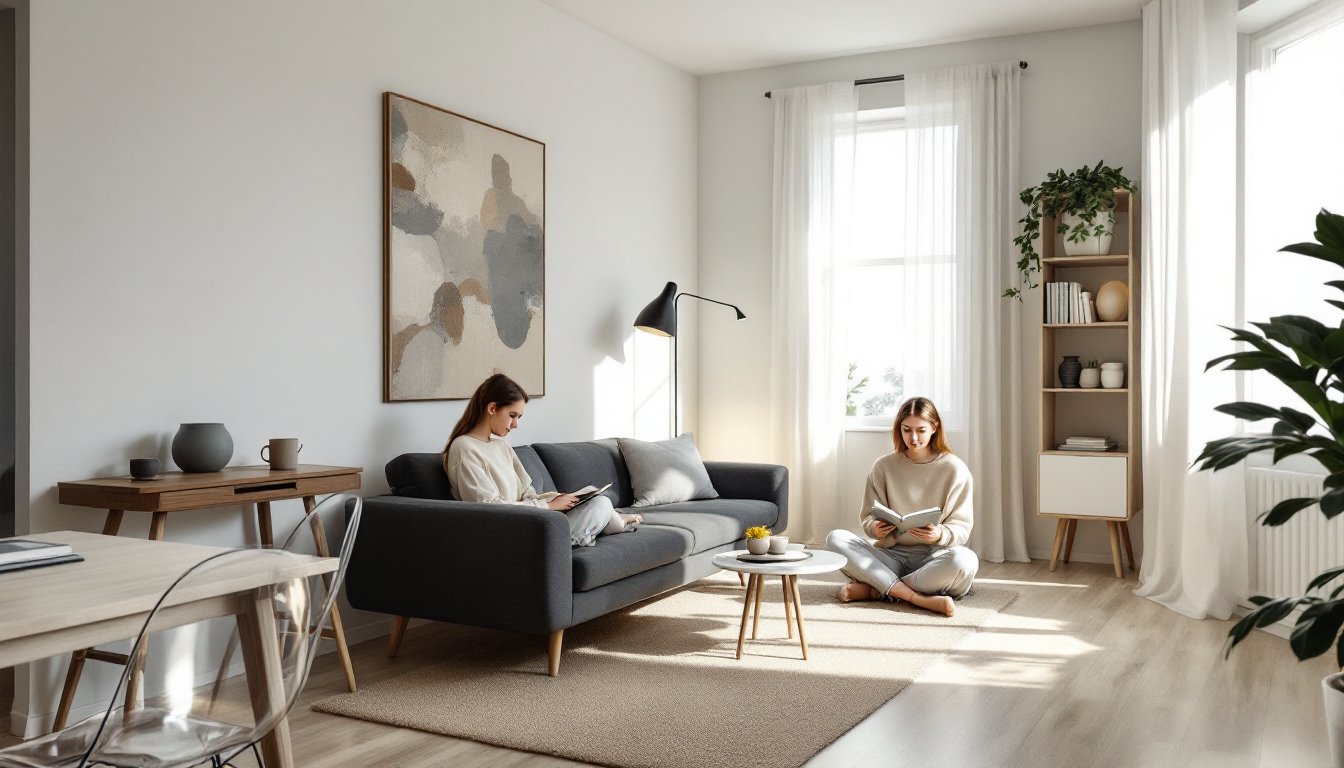
Modern design doesn’t require square footage, it requires smart thinking. Small homes present a unique challenge: how to pack style, function, and breathing room into spaces where every square foot counts. The good news? Modern interior design principles align perfectly with compact living. Clean lines, intentional material choices, and flexible layouts can transform a cramped house into a curated retreat. This isn’t about making do with less: it’s about designing with precision. Whether you’re working with a 600-square-foot bungalow or a narrow two-story townhome, these strategies will help maximize both style and usability without blowing the budget or hiring a full design team.
Key Takeaways
- Small modern house interior design relies on three core principles—simplicity, functionality, and intentionality—to maximize style without visual clutter or wasted space.
- Strategic furniture placement, including floating sofas 12-18 inches from walls and vertical storage solutions, creates depth and airflow in compact rooms.
- Light neutral color palettes combined with layered lighting (ambient, task, and accent) and mirrors opposite windows visually expand small spaces without structural changes.
- Multi-functional furniture such as storage ottomans, expandable dining tables, and fold-down wall desks eliminates the need for single-purpose pieces in tight layouts.
- Material consistency with light wood tones, matte metals, and honest finishes maintains a cohesive modern aesthetic while keeping visual weight minimal.
- Room-specific solutions like wall-mounted nightstands, ceiling-height kitchen cabinets, and floating bathroom vanities reclaim floor space and improve functionality in every zone.
Key Principles of Modern Interior Design for Small Homes
Modern design thrives on three core principles: simplicity, functionality, and intentionality. For small spaces, these aren’t just aesthetic choices, they’re survival tactics.
Simplicity means stripping away visual clutter. This doesn’t translate to boring: it means choosing a statement sofa over five accent pillows, or one large piece of art instead of a gallery wall of trinkets. Every element should earn its place.
Functionality dictates that form follows purpose. In a small home, a console table that doubles as a workspace beats a decorative-only piece every time. Modern design embraces dual-purpose elements without apologizing for practicality.
Intentionality is the glue. It’s the deliberate choice of three complementary materials instead of seven competing finishes. It’s selecting furniture scaled to the room’s actual dimensions, not aspirational dimensions. Measure twice, buy once. A 90-inch sectional in a 12×14 living room isn’t cozy: it’s a traffic jam.
One often-overlooked principle: negative space. Empty floor and wall areas give the eye a place to rest and make rooms feel larger. Resist the urge to fill every corner. Understanding proportion in design helps maintain this balance, especially when selecting furniture and decor for compact rooms.
Smart Space Planning and Layout Strategies
Layout makes or breaks small homes. Even a well-designed room can feel cramped if furniture blocks natural pathways or windows.
Start with traffic flow. Map out how people actually move through the space. Minimum clearance for walkways should be 30-36 inches. If you’re squeezing past furniture sideways, the layout’s wrong.
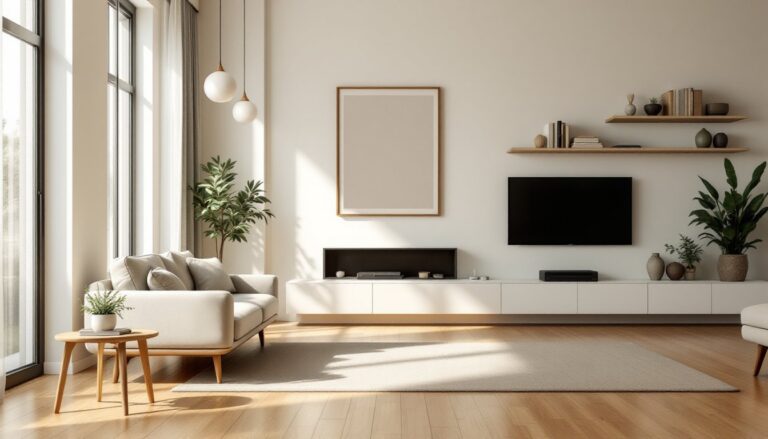
Float furniture away from walls. Counterintuitive, but pushing everything against the perimeter can make rooms feel smaller. A sofa placed 12-18 inches from the wall creates depth and allows space for a narrow console or lighting behind it.
Define zones in open-plan areas. Use rugs, lighting changes, or low bookcases (36 inches or less) to create visual boundaries without building walls. An 8×10 area rug under a dining table signals “eating zone” while keeping sightlines open. Designers often employ asymmetrical balance to create distinct zones that feel cohesive rather than chaotic.
Vertical thinking matters. Tall bookcases (floor to ceiling if possible) draw the eye upward and maximize storage per square foot. Wall-mounted desks, fold-down tables, and Murphy beds reclaim floor space when not in use.
One pro tip: Create a scaled floor plan on graph paper (1/4 inch = 1 foot is standard) before moving a single piece of furniture. It’s faster than rearranging a couch five times and easier on your back.
Color Palettes and Lighting That Open Up Small Spaces
Light and color are your best tools for visual expansion, and they’re purely cosmetic, meaning no structural work or permits.
Color strategy: Stick to a cohesive palette with limited contrast. Light neutrals (warm whites, soft grays, greige) on walls reflect natural light and create continuity. That doesn’t mean stark white everywhere. Benjamin Moore’s Swiss Coffee or Sherwin-Williams’ Accessible Beige offer warmth without closing in walls. Save darker or saturated colors for small accent areas, a single feature wall, cabinetry, or textiles.
Monochromatic schemes (variations of one hue) eliminate visual breaks that chop up space. Think cream walls, linen curtains, and a wheat-toned sofa. Add interest through texture, not color jumps.
Lighting layers: One overhead fixture isn’t enough. Combine three types:
- Ambient lighting: Recessed LEDs or a flush-mount ceiling fixture for general illumination. Aim for 20 lumens per square foot in living areas.
- Task lighting: Under-cabinet strips in kitchens, swing-arm wall lamps by seating, or pendant lights over work surfaces.
- Accent lighting: Track lights on artwork, LED strips behind floating shelves, or a floor lamp in a dim corner.
Natural light is gold. Skip heavy drapes. Use sheer panels, top-down/bottom-up cellular shades, or leave windows bare if privacy allows. Mirrors opposite windows double light reflection, place a large mirror on the wall facing your biggest window for maximum effect. Publications focused on modern living spaces frequently showcase how strategic lighting transforms compact interiors.
Multi-Functional Furniture and Storage Solutions
In small modern homes, furniture needs to work overtime. Single-purpose pieces are a luxury most compact spaces can’t afford.
Must-have multi-functional pieces:
- Storage ottomans: Seating, footrest, and hidden storage for blankets or remotes. Look for upholstered cubes with lift-off lids, avoid hinged lids that require clearance.
- Expandable dining tables: Drop-leaf or butterfly-leaf tables shrink for daily use, expand for guests. A 36×48-inch table can extend to seat six when needed.
- Sofa beds or daybeds: Modern sleeper mechanisms have improved drastically. Models with memory foam mattresses (at least 5 inches thick) are actually comfortable for overnight guests.
- Wall-mounted fold-down desks: A 24-inch-deep desk folds flat to 3 inches when closed. Secure directly to studs with heavy-duty brackets rated for at least 50 pounds.
Storage tactics:
- Use bed risers to create under-bed storage height. Aim for at least 12 inches of clearance to fit low-profile storage bins.
- Install floating shelves in dead space, above doorways, in hallway ends, or flanking windows. Use 3/4-inch plywood or solid wood, not particleboard, especially for spans over 24 inches.
- Choose furniture with legs (at least 4-6 inches high). Visible floor underneath makes rooms feel less crowded than skirted pieces.
- Modular shelving systems (like IKEA’s Kallax or custom-built units) adapt as needs change. Professional guidance can help manage design costs when choosing between DIY and custom solutions.
Be realistic about load capacity. That slim floating console looks sharp, but if it can’t hold your TV and components without bowing, it’s not functional.
Modern Materials and Finishes for a Clean Aesthetic
Material choices define modern style. The palette is restrained: natural wood, metal, glass, concrete, and stone dominate.
Recommended materials:
- Light wood tones: White oak, maple, or birch in natural or light stains keep spaces airy. Avoid heavy, dark woods like walnut in small rooms unless used sparingly as accent.
- Matte metals: Brushed nickel, matte black, or stainless steel for hardware, fixtures, and furniture legs. Skip ornate finishes, simple bar pulls and flat-profile faucets align with modern sensibility.
- Glass and acrylic: Glass tabletops, acrylic chairs (like ghost chairs), and clear shelving reduce visual weight. They’re physically there but optically invisible.
- Concrete and stone: Polished concrete floors, quartz countertops, or stone tile backsplashes add texture without pattern overload. Quartz (engineered stone) outperforms granite for maintenance, non-porous, no sealing required.
Finish consistency: Match your metal finishes room to room. If you choose matte black kitchen faucets, carry that through to bathroom fixtures and door hardware. Mixed metals can work, but it requires a confident eye, stick to two finishes max if you’re DIYing.
Flooring: Wide-plank flooring (5-7 inches wide) with minimal grain variation creates a calm base. Luxury vinyl plank (LVP) mimics wood at $2-5 per square foot installed and handles moisture better than hardwood in kitchens and baths. Resources like Homedit provide inspiration for pairing modern materials in unexpected ways.
Avoid: Busy tile patterns, ornate molding profiles, and anything with a “distressed” finish. Modern design celebrates materials in their honest state.
Room-by-Room Design Tips for Small Modern Homes
Each room presents unique challenges. Here’s how to tackle them:
Living Room:
- Skip the coffee table. Use nesting side tables or a narrow console behind the sofa instead. You’ll gain walking space and flexibility.
- Mount the TV on an articulating arm. This frees up floor space and allows angle adjustments for viewing from different seating areas.
- One large sectional often works better than a sofa-plus-chairs arrangement. Measure carefully, sectionals come in modular pieces you can configure.
Kitchen:
- Maximize vertical storage with cabinets to the ceiling. The top shelves can hold rarely used items.
- Use drawer organizers and pull-out shelves. Deep base cabinets without organizers become black holes.
- Consider open shelving for frequently used dishes. It eliminates cabinet door swing clearance and forces you to keep only what you use. For more ideas, Decoist showcases modern kitchens optimized for small footprints.
- Install under-cabinet lighting (LED strips, 3000K color temperature) to eliminate shadows on counters.
Bedroom:
- Platform beds with built-in drawers beat traditional frames with box springs. You’ll save 8-10 inches in height and gain storage.
- Wall-mounted nightstands (floating shelves or small ledges) take up zero floor space.
- Use closet organizers with double hang rods. Two rows of shirts/pants stacked vertically double capacity over single rods.
Bathroom:
- Wall-hung vanities create floor space and make cleaning easier. Ensure proper blocking in the wall, install 2×6 or 2×8 blocking between studs at vanity height before hanging drywall.
- Frameless glass shower enclosures maintain sightlines. Shower curtains work too but choose light colors and simple patterns.
- Recessed medicine cabinets fit between studs (typically 14.5 inches wide) and don’t project into the room.
Conclusion
Small modern homes demand editing, not compromise. By committing to clean lines, multi-functional pieces, and cohesive material palettes, any compact space can feel intentional rather than cramped. Start with layout, layer in light, and choose every piece with purpose. The result isn’t just good design, it’s livable, functional space that punches well above its square footage.