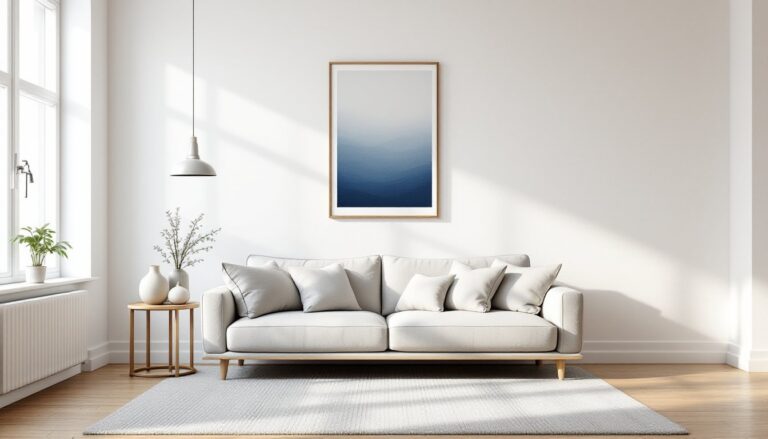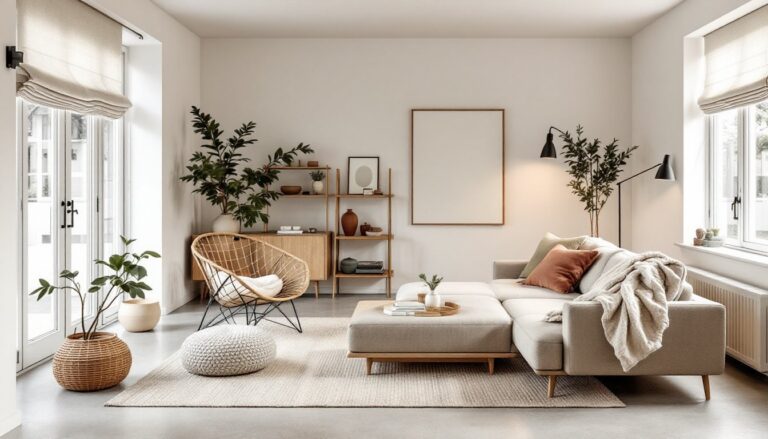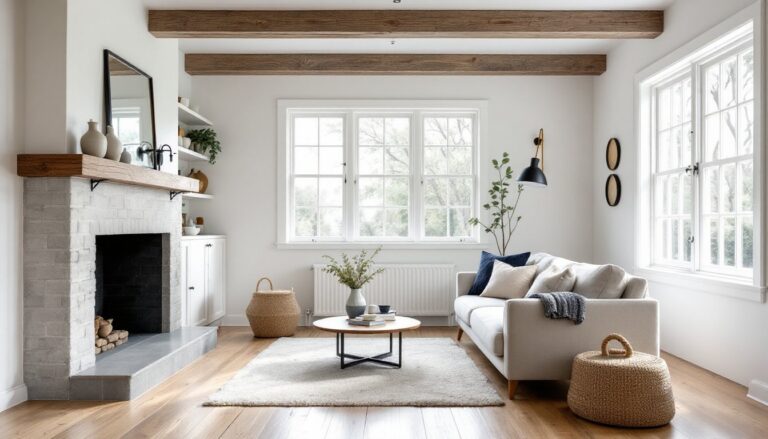


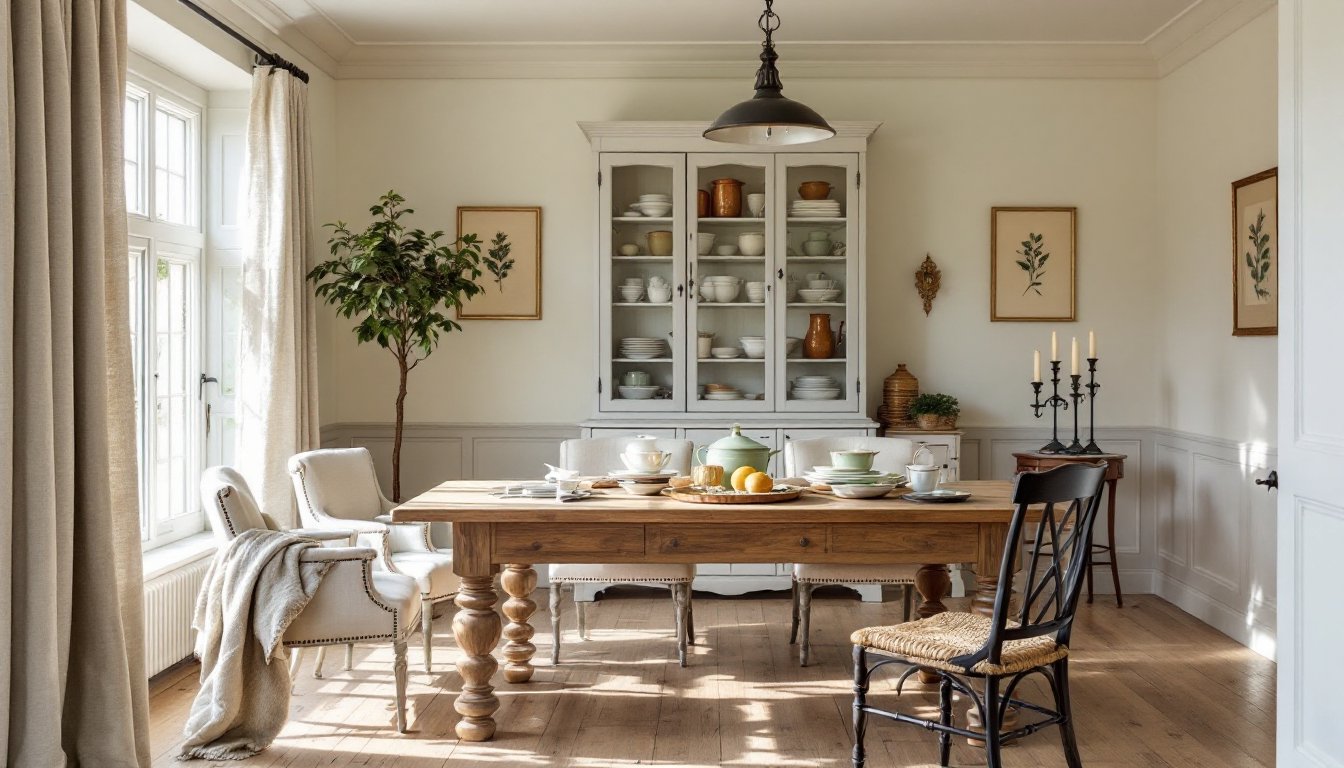
French countryside decor captures the heart of rural French living, think weathered farmhouse charm mixed with understated elegance. Whether you’re drawn to the simplicity of a Provençal village cottage or the refined rusticity of a country estate, French countryside style brings warmth and character to any home. This approach blends practical farmhouse bedroom decor elements with country French style decor touches that feel lived-in rather than precious. Unlike some design trends that feel precious or trendy, this aesthetic has remained beloved for decades because it genuinely works. In this guide, we’ll walk you through the fundamentals of the style, the practical furniture choices that anchor the look, and the DIY projects that bring authentic French countryside charm into your space.
Key Takeaways
- French countryside decor balances rustic farmhouse charm with understated elegance, using weathered finishes and natural materials that show authentic age rather than artificial distressing.
- Anchor your space with essential furniture pieces like solid wood farmhouse tables, upholstered seating with rolled arms, and bedroom decor featuring iron bed frames and carved wooden pieces that prioritize durability over trend.
- Create a cohesive foundation by choosing a restrained color palette of warm creams, soft grays, and muted earth tones—then layer personality through textiles, ceramics, and curated accessories grouped intentionally on open shelving.
- Whitewashing, distressing, and installing open shelving are accessible DIY projects that transform existing furniture and spaces into authentic French countryside style without expensive replacements.
- Build your country French style decor gradually by sourcing pieces from antique shops and estate sales rather than buying new, allowing your home to feel accumulated and lived-in rather than instantly decorated.
Understanding French Countryside Style
French countryside style emerged from practical necessity rather than design theory. Rural French homes needed to be durable, easy to maintain, and functional, yet the people who lived in them brought refinement and taste to every corner. This balance between utility and elegance defines the entire aesthetic.
The style draws inspiration from centuries-old farmhouses and manor cottages scattered across the French regions like Provence, Normandy, and Brittany. What makes it enduring is authenticity: these aren’t precious showpieces but homes where families actually live, cook, and gather. The patina, the mismatched pieces, the worn edges, they all tell a story. According to design experts, French country style emphasizes natural materials, time-honored craftsmanship, and a relaxed approach to decorating that invites you to sit down and stay awhile.
This sensibility works beautifully as a foundation for maximalist home decor too. While maximalism embraces layers and abundance, French countryside provides the quality anchor pieces and neutral base that keep a maximalist space from feeling chaotic. The key is choosing pieces with intention, mixing periods, finishes, and even styles, but ensuring everything has genuine visual or functional purpose.
Key Characteristics of Rustic French Decor
Color Palettes and Finishes
Rustic French decor works within a restrained palette anchored by warm, earthy tones. Think soft creams, warm whites, pale grays, and soft beiges, the colors of linen, plaster, and aged stone. These neutral bases let natural light play across surfaces throughout the day, creating depth without visual chaos.
Accent colors appear in muted, dusty versions: sage green, soft terracotta, powder blue, and warm ochre. These aren’t bright or saturated: they’re the colors you’d see in a landscape after rain, or in a fabric that’s been hung in a sunny window for years. Many homeowners layer these accents through textiles, small furniture pieces, or a single accent wall rather than committing an entire room to color.
Finishes matter enormously. Look for surfaces that show age gracefully: whitewashed or lime-washed walls, distressed paint, natural wood with visible grain and knots, and aged metal hardware. A French country style guide explains that these imperfect finishes, chips, wear, patina, aren’t flaws but evidence of honest use. If you’re painting, consider matte or chalky finishes over glossy ones. For wood pieces, hand-scraped or reclaimed options work better than pristine new lumber. Bare stone, terracotta tiles, and unglazed ceramics reinforce the rustic foundation.
When introducing country French style decor finishes in your space, prioritize authenticity. A brand-new piece that’s been artificially distressed reads differently than something with genuine age. That said, modern reproductions with honest construction can work if they’re solid wood (not particleboard) and feature details like mortise-and-tenon joinery rather than pocket screws.
Essential Furniture and Layout
French countryside furniture prioritizes function and form in equal measure. Pieces tend to be sturdy, often handcrafted or built to last generations. Wood is the dominant material, think pale oak, walnut, or cherry finished with oil rather than high-gloss varnish.
Key furniture pieces include:
• Farmhouse tables: Solid wood with turned legs, often wide enough to gather the family. Look for tables with breadboard ends (wood planks attached perpendicular to the main top) and real joinery.
• Upholstered seating: Sofas and chairs with rolled arms, nailhead trim, and linen or linen-blend fabric. Avoid overstuffed, high-pile pieces: French countryside prefers a slightly more structured silhouette.
• Bedroom pieces: Farmhouse bedroom decor foundations include iron bed frames (often painted cream or soft blue) and simple wooden dressers. A carved wooden headboard or wrought-iron bed adds authentic character.
• Storage: Open shelving, glass-fronted cabinets, and hutches display dishes and linens while keeping the room organized. Closed storage prevents visual clutter while maintaining accessibility.
Layout emphasizes flow and conversation. Unlike some styles that arrange furniture toward a TV, French countryside homes often place seating in clusters encouraging face-to-face interaction. Leave adequate walking space and avoid cramming too many pieces into one room. One substantial table and carefully chosen seating pieces create more impact than a room packed with smaller items.
Decor Elements and Accessories
Accessories anchor the atmosphere without clutter. Here’s where you layer in personality and storytelling.
Textiles are central: linen curtains, cotton damask fabric, wool throws, and vintage quilts add softness and history. These should feel natural and slightly imperfect, faded linen, hand-loomed wool, fabrics with visible weave texture. Avoid anything synthetic-looking or overly polished.
Rustic accessories include wrought-iron candlesticks, pewter serveware, aged copper cookware hung on walls, and earthenware ceramics. Mirrors with carved wooden or metal frames reflect light and add visual interest. Botanical prints, still life paintings, or vintage botanical illustrations frame the walls, nothing overly contemporary or graphic.
Incorporate these elements thoughtfully: group three or four candlesticks of varying heights on a shelf: hang copper pots and pans near the cooking area so they’re both functional and decorative: arrange ceramics on open shelving by color family. The goal is curated abundance, layered enough to feel rich and lived-in, organized enough to feel restful rather than chaotic. This restraint distinguishes French countryside from maximalist approaches, though strategic layering can bridge both aesthetics beautifully.
DIY Projects to Achieve the Look
Creating French countryside character often means refinishing or repurposing existing pieces rather than buying new.
Whitewashing Wooden Furniture
Give darker furniture a lighter, aged appearance by whitewashing. Mix one part white latex paint with three to four parts water until it reaches a thin, milky consistency. Apply with a brush in the direction of the wood grain, then wipe with a damp cloth before it dries to reveal the wood beneath. This technique softens heavy pieces and creates that lived-in patina. Wear nitrile gloves and work in a ventilated space.
Distressing Painted Finishes
New furniture can be aged by distressing painted surfaces. Paint your piece with a quality chalk or milk paint in a soft color (cream, pale blue, or soft gray), then lightly sand edges and high-traffic areas with 120-grit sandpaper once dry. Focus on corners, around hardware, and along edges where natural wear would occur. Wipe with a tack cloth to remove dust. This mimics honest wear without looking artificially beat-up.
Installing Open Shelving
Removing cabinet doors or installing floating shelves showcases dishware and textiles. Use quality shelf brackets rated for your load (typically 50–75 lbs. per bracket depending on span and stud spacing). Locate wall studs with a stud finder, drill pilot holes, and use lag bolts into the studs for safety. Shelves should be approximately 12–16 inches deep to avoid looking top-heavy, and install at eye level (roughly 54–60 inches from floor to shelf center). If you’re removing existing cabinet doors, fill the hinge holes with wood filler and sand smooth before refinishing.
Creating a Focal Point Wall
Apply a lime wash or chalk paint to one wall in a muted tone, soft sage, pale ochre, or warm gray. Prime first if the existing surface is glossy. Use two thin coats rather than one thick coat for better coverage and a more natural appearance. Lime wash specifically creates an authentic, chalky finish that ages beautifully. For application, use a natural bristle brush and apply in varied directions to avoid lap marks.
Bringing French Countryside Into Your Home
Start with bones before accessories. A room needs the right foundation pieces to read as French countryside: substantial wooden furniture, neutral painted walls, adequate natural light, and thoughtful layout. Only then do you layer textures, colors, and collected pieces.
Begin your transformation by auditing what you already own. Real French countryside homes evolved over generations, pieces were inherited, repurposed, or carefully chosen secondhand. Visit local antique shops, estate sales, and consignment stores for authentic finds. A chipped ceramic pitcher, a worn wooden tray, a set of mismatched linen napkins, these are better than perfect replicas because they carry genuine history.
Next, commit to a color story for each room. Choose your three to four main colors and stick with them. This creates coherence even when mixing periods and styles. French country design principles balance restraint with richness, meaning you can have depth and layering without visual noise.
Finally, resist the urge to finish overnight. The best French countryside homes feel accumulated, not installed. Add pieces gradually, live with them, move them around. This unhurried approach yields spaces that feel authentic rather than decorated. It’s also more budget-friendly since you’re spreading purchases over time and choosing pieces you genuinely love rather than filling rooms out of obligation.