

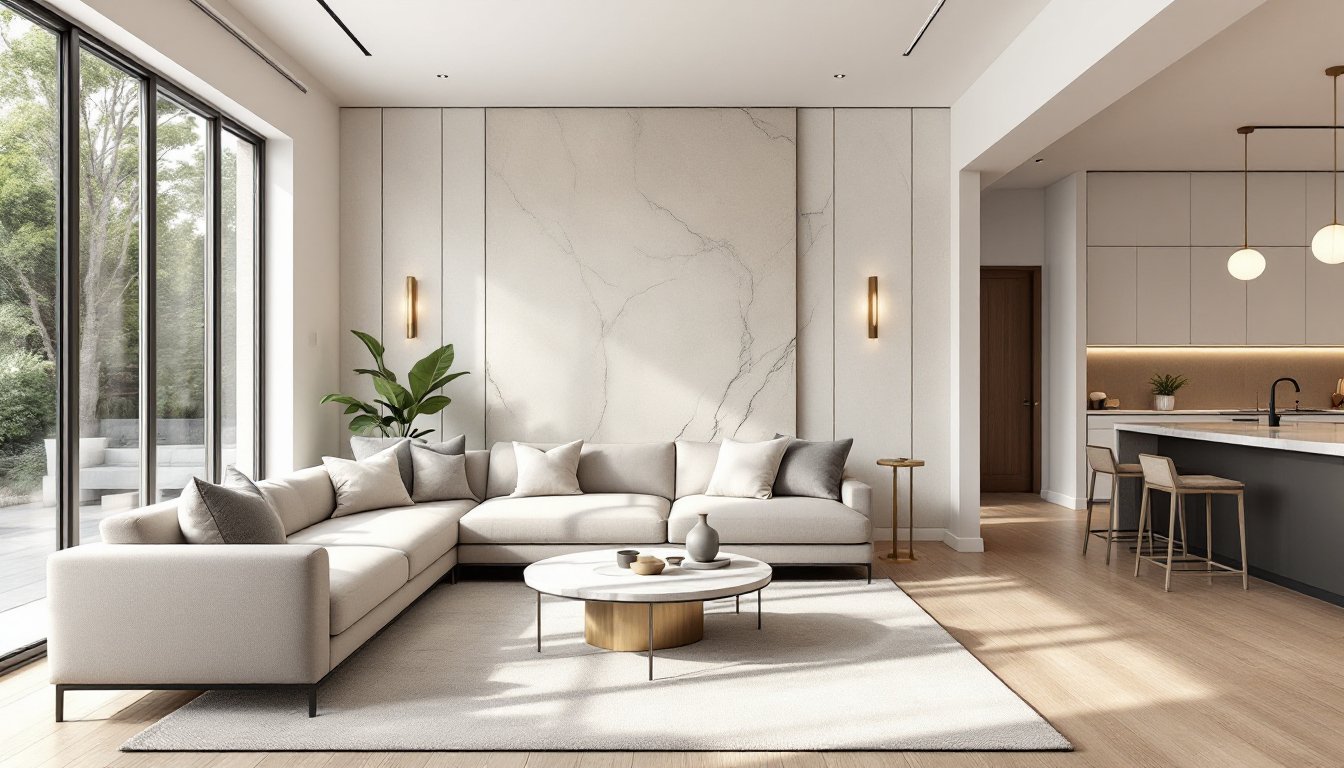
Luxe interior design isn’t about throwing money at a room until it looks expensive, it’s about making intentional choices that layer quality, texture, and sophistication into every corner. Whether renovating a single room or planning a whole-house refresh, understanding what separates a luxurious space from a merely decorated one helps homeowners and DIYers invest wisely. This guide breaks down the core principles, materials, and design strategies that define high-end interiors in 2026, plus practical ways to achieve that polished look without blowing the budget.
Key Takeaways
- Luxe interior design prioritizes quality over quantity through timeless materials like natural stone, hardwood, and custom millwork that hold their value for decades.
- Invest strategically in high-impact permanent elements—flooring, cabinetry, countertops, and fixed lighting—that form a room’s bones and deliver the most noticeable luxury impact.
- Texture and layered lighting separate truly luxurious spaces from ordinary rooms; combine ambient, task, and accent lighting on separate dimmer controls for sophistication.
- Surface preparation is crucial to DIY success; properly fill cracks, sand with the grain, and prime walls and wood before painting or staining to achieve polished results.
- Smart budget choices like upgrading hardware ($5–$15 per pull), using large-format tile with minimal grout lines, and installing one statement piece per room elevate spaces without excessive spending.
- Luxe interior design works across multiple styles—Modern Organic, Transitional Luxe, Maximalist Glam, and Industrial Luxe—each defined by cohesive color palettes, refined details, and intentional material selection.
What Is Luxe Interior Design?
Luxe interior design prioritizes quality over quantity. It’s characterized by refined material choices, expert craftsmanship, and a cohesive aesthetic that feels curated rather than accumulated. Unlike trend-chasing decor, luxe spaces rely on timeless elements, think natural stone countertops, custom millwork, and well-proportioned furniture, that hold their value and appeal over decades.
The foundation often starts with structural upgrades: upgrading hollow-core doors to solid wood or composite, replacing builder-grade trim with thicker baseboard and crown molding (typically 5¼-inch baseboards and 4½-inch crown), and installing ¾-inch-thick hardwood flooring instead of laminate. These aren’t cosmetic tricks, they change how a space feels underfoot and how it resonates acoustically.
Luxe design also means attention to detail that most homeowners overlook: flush electrical outlets, integrated lighting controls, seamless tile transitions, and hardware that doesn’t rattle. It’s the kind of work that requires patience during installation and often a second set of hands to get alignment perfect. If tackling trim or millwork, a compound miter saw and a pneumatic finish nailer will yield cleaner results than a circular saw and hammer.
Key Elements That Define Luxe Interiors
Premium Materials and Finishes
High-end interiors lean on materials that age gracefully and offer tactile richness. Natural stone, marble, quartzite, travertine, remains a staple for countertops, backsplashes, and flooring, though it requires sealing and maintenance. Engineered quartz offers a lower-maintenance alternative with consistent patterning, and slabs now come in bookmatched designs that mimic natural veining.
For cabinetry, solid hardwood face frames with dovetail joinery and soft-close hinges separate custom work from stock options. Finishes matter too: hand-rubbed stains, lacquered surfaces, and matte or satin sheens create depth that flat paint can’t match. If refinishing cabinets as a DIY project, plan on sanding to bare wood, applying a bonding primer like BIN shellac-based or oil-based Zinsser, and finishing with a conversion varnish or water-based polyurethane for durability. Expect coverage of about 400 square feet per gallon for primer and 350 square feet per gallon for topcoats, adjusted for grain porosity.
Luxury plumbing fixtures often incorporate solid brass or stainless steel construction rather than zinc alloy, and many are available in unlacquered finishes that develop a natural patina. Installing a Roman tub filler or a wall-mounted faucet typically requires roughed-in plumbing during framing (pre-drywall), so retrofitting means opening walls, something to factor into project scope and permits. When exploring interior design costs, material upgrades like these often represent the largest line items.
Sophisticated Color Palettes and Textures
Luxe interiors favor restrained, layered color schemes over bold accent walls. Neutral bases, warm whites, soft grays, greige tones, allow materials and textures to take center stage. Benjamin Moore’s White Dove (OC-17) and Sherwin-Williams’ Alabaster (SW 7008) remain go-to choices for trim and walls, offering warmth without reading yellow under LED lighting (look for bulbs rated 2700K to 3000K for residential spaces).
Texture comes from varied surfaces: a honed-marble vanity, brushed-nickel hardware, linen drapery, wool rugs, and venetian plaster or limewash accent walls. Venetian plaster requires a skilled hand, each coat is troweled thin and burnished, building depth over multiple passes. DIYers can achieve a similar effect with textured wallcoverings or specialty paints, though the result won’t have the same mineral feel.
Layered lighting is non-negotiable. Luxe spaces combine ambient (recessed cans or flush-mounts), task (under-cabinet LED strips, pendant fixtures), and accent (picture lights, sconces) sources on separate circuits or dimmer controls. According to the National Electrical Code (NEC), dimmers must be rated for the load type, LEDs require compatible electronic low-voltage (ELV) dimmers to avoid flickering. If rewiring, this work typically requires a permit and an electrical inspection in most jurisdictions.
How to Achieve Luxe Design on Any Budget
Luxe design doesn’t demand an unlimited budget, it demands smart prioritization. Focus investment on high-impact, permanent elements: flooring, cabinetry, countertops, and fixed lighting. These form the bones of a room and aren’t easily swapped out later.
Start with surface prep. Most DIY upgrades fail because walls weren’t properly prepped. Fill nail holes and cracks with lightweight spackle, sand smooth with 120-grit paper, then prime with a PVA drywall primer before painting. For wood surfaces, use wood filler (not spackle) and sand with the grain, progressing from 80-grit to 220-grit before staining or topcoating. Skipping these steps shows up immediately in finished work.
Upgrade hardware and lighting fixtures. Swapping builder-grade cabinet pulls for solid brass or matte black options ($5–$15 each) and replacing plastic light switches with Decora-style metal plates ($2–$4 per plate) makes a noticeable difference. Retrofit recessed lighting with adjustable gimbal trims to add directional accent lighting without cutting new ceiling holes.
Use large-format materials. 12×24-inch or larger porcelain tile with minimal grout lines reads more high-end than small mosaics (except in dedicated accent zones). Large slabs mean fewer seams and a cleaner visual plane. When setting tile, use a ⅛-inch or 3/16-inch notched trowel for wall tile and a ½-inch square-notch trowel for floor tile to ensure proper coverage and prevent lippage. Always back-butter tiles larger than 12×12 inches.
Invest in one statement piece per room. A custom vanity, a high-end range hood, or a designer light fixture can anchor a space and elevate everything around it. Publications like Architectural Digest showcase how a single focal element can define a room’s character. Pair it with budget-friendly surrounding elements, and the contrast won’t be obvious, the quality will.
DIY what you can, hire what you can’t. Painting, basic carpentry, tile backsplashes, and fixture swaps are all within reach for motivated DIYers with the right tools: a laser level, a wet tile saw (rentable for about $50/day), and a cordless drill/driver will handle most of it. But electrical work beyond replacing fixtures, structural modifications, and gas line connections should go to licensed professionals. Permits exist for a reason, and unpermitted work can complicate future home sales or insurance claims.
Popular Luxe Interior Design Styles in 2026
Luxe design manifests differently depending on aesthetic preference, but a few styles dominate high-end projects in 2026.
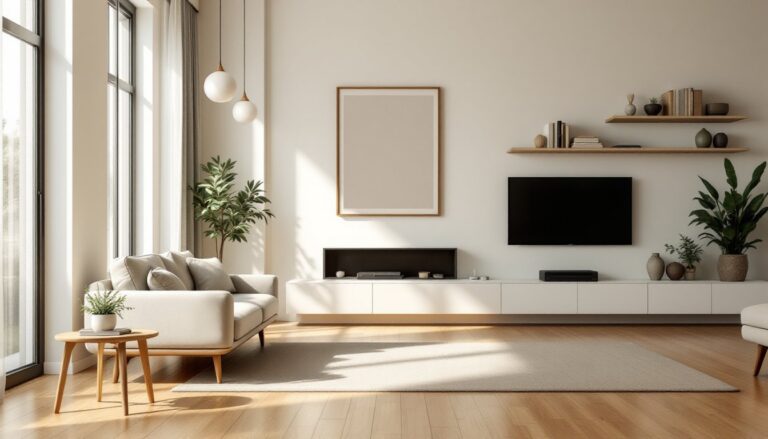
Modern Organic blends minimalist lines with natural materials, think whitewashed oak cabinetry, stone slab islands, and large-pane steel-framed windows. It’s clean but warm, and it leans heavily on texture rather than ornamentation. Popular in new-construction projects, this style benefits from open floor plans (often requiring engineered lumber like LVL beams to span long distances without mid-span support). If removing a load-bearing wall, consult a structural engineer and obtain permits, this isn’t a DIY guessing game.
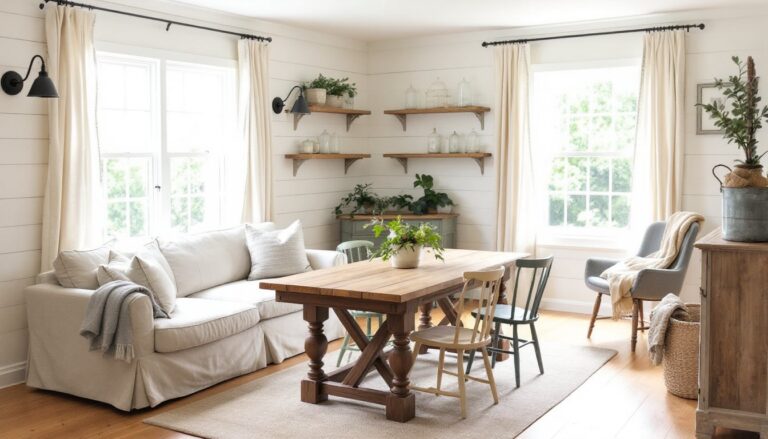
Transitional Luxe mixes traditional detailing with contemporary restraint. Shaker-style cabinetry, recessed-panel wainscoting, and coffered ceilings get paired with streamlined furniture and monochrome color schemes. It’s a safe, timeless approach that appeals to resale markets. Installing wainscoting typically involves ripping 1×4 or 1×6 pine boards to width, installing a chair rail at 32 to 36 inches above the finished floor, and spacing vertical stiles 16 to 24 inches on center. Use a stud finder to locate framing, and attach with 18-gauge brad nails and construction adhesive.
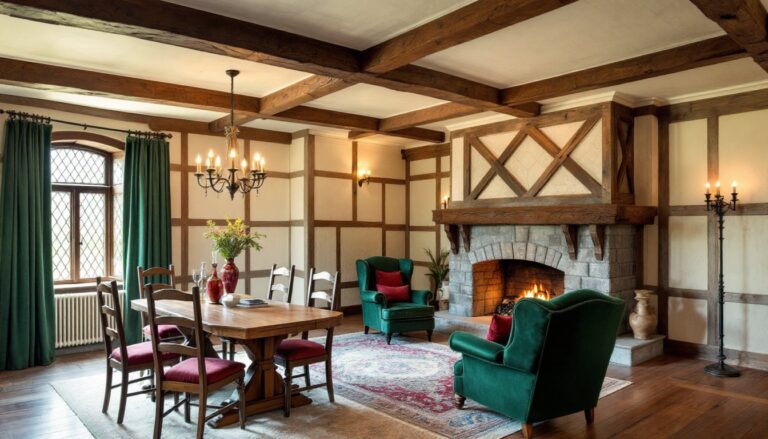
Maximalist Glam embraces bold color, metallic accents, and layered patterns. Think jewel-toned velvet upholstery, brass chandeliers, and patterned tile. This style requires confidence, and careful balance, to avoid crossing into chaotic. It’s also an area where exploring pattern interior design can provide inspiration on mixing scales and motifs successfully.
Industrial Luxe retains exposed materials, brick, steel beams, concrete, but elevates them with refined furnishings and high-end finishes. Polished concrete floors (typically requiring a diamond-grit grinder and multiple coats of epoxy or polyurethane sealer) pair with custom metalwork and designer lighting. This style works best in loft or open-plan spaces with high ceilings (10 feet or more). When designing around luxury kitchen ideas, industrial elements like open shelving and statement range hoods can anchor the space.
Regardless of style, cohesion matters. Mixing metals, wood tones, and tile patterns works when there’s an intentional thread, similar undertones, repeated shapes, or a unifying color. Resources like Home Bunch offer room-by-room breakdowns of how high-end designers layer these elements.
Conclusion
Luxe interior design is less about a price tag and more about making deliberate, quality-driven choices that stand the test of time. By focusing on durable materials, refined details, and cohesive aesthetics, homeowners can create spaces that feel high-end without necessarily high costs. Start with solid structural upgrades, layer in texture and light, and don’t rush the details, the difference between good and great often comes down to prep work and patience.