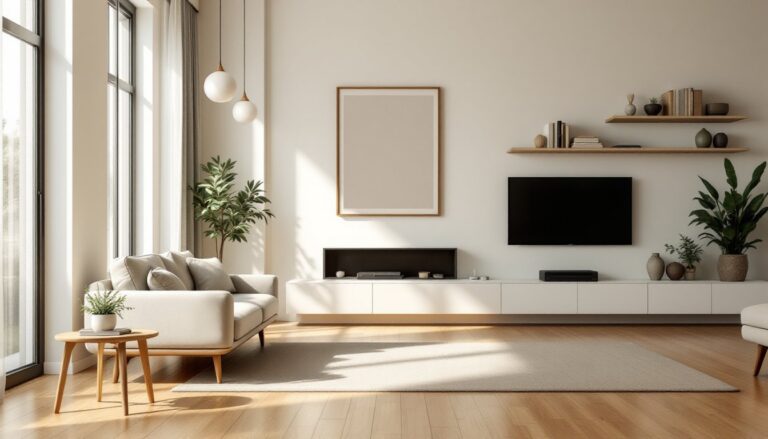


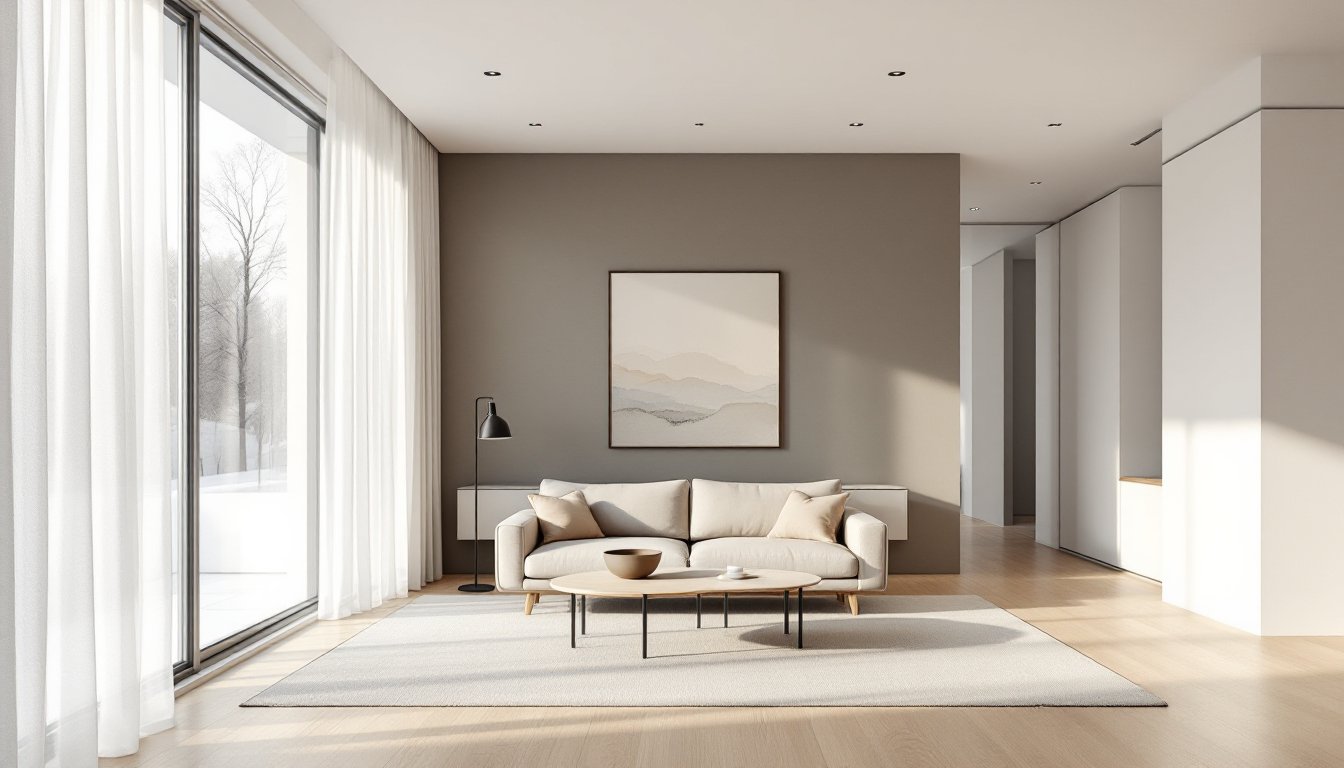
Modern minimalist interior design isn’t about cold, empty spaces, it’s about intentional choices that make a home breathe. This design philosophy strips away clutter and distractions, letting the architecture, materials, and essential furnishings take center stage. Whether you’re renovating a single room or rethinking your entire home, minimalism offers a practical framework that’s easier on the wallet and easier to maintain. The aesthetic has evolved beyond stark white walls and chrome accents: today’s minimalism embraces warmth, texture, and livability without sacrificing clean lines or open space.
Key Takeaways
- Modern minimalist interior design prioritizes intentional choices and quality over quantity, creating spaces that are visually open, easier to maintain, and surprisingly personal despite their simplicity.
- Every element in a minimalist space must serve a clear function; invest in durable, natural materials like hardwood and stone that age gracefully rather than trendy finishes that become dated within years.
- Neutral color palettes, natural light, and strategic negative space make rooms feel larger and more serene, while built-in storage and multi-functional furniture prevent clutter from creeping back into the design.
- Proper furniture scale and spatial planning—including leaving 24–36 inches of clearance around pieces and floating seating away from walls—are essential to achieving the breathing, uncluttered feel that defines minimalist spaces.
- Layered but minimal lighting, using recessed cans and simple pendants over chandeliers, preserves the clean lines of modern minimalist design without compromising functionality or ambiance.
What Is Modern Minimalist Interior Design?
At its core, minimalist design is about reduction with purpose. Every piece of furniture, every finish, and every color choice serves a clear function, no decoration just for decoration’s sake. This doesn’t mean boring. It means disciplined.
The “modern” part of modern minimalism points to clean geometric forms, open floor plans, and a connection between indoor and outdoor spaces. Think flat-panel cabinetry, flush door casings, and horizontal sight lines. The style emerged from mid-century modernism and Japanese spatial design, both of which prize restraint and craftsmanship.
A minimalist space feels larger than its square footage suggests because negative space, the empty areas around objects, gets treated as a design element, not wasted real estate. This requires careful planning. You can’t just remove half your furniture and call it minimalism. You need to rethink scale, proportion, and flow.
Many homeowners confuse minimalism with a lack of personality. That’s a myth. A minimalist room can be deeply personal, but the personal touches need to be curated. One meaningful piece of art on an open wall has more impact than a gallery wall covering every inch. A single sculptural chair speaks louder than a mix-and-match seating arrangement.
This approach also simplifies maintenance. Fewer items mean less dusting, less organizing, and less visual noise competing for attention. For DIYers, minimalism can reduce project complexity, no ornate trim to miter, no fussy finishes to match, no accent walls that require painter’s tape gymnastics.
Core Principles of Minimalist Design
Minimalist design operates on a few non-negotiable rules. Break them, and the space loses its clarity. Stick to them, and even a modest budget renovation can look high-end.
Quality Over Quantity
In a minimalist space, every piece is on display, there’s nowhere to hide cheap construction or sloppy finishes. This means investing in fewer, better items. A solid oak dining table with clean joinery will outlast and outperform a particleboard alternative, and it’ll age gracefully instead of chipping and sagging.
When selecting materials, prioritize durability and tactile quality. Natural materials like hardwood, stone, linen, and wool not only last longer but develop patina over time. A limestone countertop or wide-plank white oak flooring might cost more upfront, but the longevity and timeless appeal justify the expense. Builders and designers frequently note that approaches emphasizing proportion in spatial design help avoid furniture that looks out of scale in minimal settings.
Avoid trendy finishes that’ll date the space in five years. Brushed nickel hardware, matte black steel, or natural brass all work, but skip anything overly ornate or theme-heavy. The same goes for cabinetry. Frameless, flat-panel doors in ¾-inch plywood or solid wood beat out raised-panel MDF every time in a minimalist context.
For DIYers on a budget, shop for quality used or vintage pieces. A mid-century credenza from an estate sale often beats new big-box furniture in both construction and design. Just be prepared to refinish or repair, another skill worth learning if you’re serious about home improvement.
Functionality Meets Beauty
Minimalism rejects the idea that form and function are separate. A beautiful object that doesn’t work well has no place here. A chair should be comfortable. A light fixture should deliver adequate lumens for the task. Storage should be accessible, not just decorative.
Built-ins are a minimalist’s best friend. A custom wall of flush-mount cabinetry hides clutter without adding visual bulk. If you’re handy with a circular saw or table saw, you can build simple alcove shelving using ¾-inch plywood and edge banding to match wall paint. Anchor shelves into studs with heavy-duty brackets rated for the load, books and dishes add up fast.
Open shelving can work, but only if you’re committed to keeping it tidy and curated. Display a small collection of ceramics or glassware in a cohesive color palette, and leave space between items. Overcrowded shelves defeat the purpose.
Multi-functional furniture is another smart move. A bench with hidden storage, a bed frame with integrated drawers, or a dining table that extends for guests all reduce the need for extra pieces. If you’re building custom furniture, prioritize joinery methods like pocket screws, dowels, or mortise-and-tenon for strength and clean lines. Resources exploring interior design trends frequently highlight how functional design continues to dominate modern aesthetics.
Essential Elements for a Minimalist Space
Building a minimalist interior from scratch, or converting an existing space, requires attention to a few key elements. Get these right, and the rest falls into place.
Neutral Color Palettes and Natural Materials
Neutral doesn’t mean boring. It means a backdrop that lets light, texture, and form do the talking. Start with a base of whites, soft grays, beiges, and taupes. Off-white paints like Benjamin Moore’s Simply White or Sherwin-Williams’ Alabaster offer warmth without skewing yellow or pink. A gallon covers roughly 350–400 square feet per coat, depending on surface porosity.
For walls, flat or matte finishes hide imperfections and reduce glare, but they’re harder to clean. In high-traffic areas or homes with kids, consider eggshell or satin instead. Prime properly, especially over bold colors or fresh drywall, with a high-quality latex primer to ensure even coverage and longevity.
Incorporate texture through materials, not pattern. Polished concrete floors, natural stone tile, wide-plank hardwood, and textured plaster all add depth without visual clutter. If you’re pouring a new concrete slab or resurfacing an existing one, a microtopping overlay (about ⅛ inch thick) can deliver a smooth, modern finish. Seal it with a penetrating sealer to resist stains and moisture.
Wood tones should be consistent. Mixing honey oak, dark walnut, and bleached ash in one room creates chaos. Pick a dominant wood tone and stick with it, or go for painted finishes if you want more flexibility down the road. Publications covering modern design approaches regularly showcase how limited material palettes create visual harmony.
Natural light is non-negotiable. Remove heavy drapes and opt for sheer linen panels, cellular shades, or nothing at all if privacy allows. If you’re replacing windows, choose models with narrow frames and large panes, aluminum-clad or fiberglass frames offer clean profiles. Skylights and solar tubes can bring light into interior spaces without sacrificing wall area.
Furniture Selection and Spatial Planning
Furniture in a minimalist space needs to be low-profile and proportionate to the room. Oversized sectionals or bulky armoires break the visual flow. Measure your room carefully and plan furniture layouts on ¼-inch graph paper or with a digital tool before buying anything.
Leave at least 24–36 inches of clearance around major furniture pieces for comfortable movement. In a living room, the sofa shouldn’t touch the walls, floating it a few feet out creates breathing room and defines the seating zone. An area rug can anchor the grouping: just make sure it’s large enough that all front legs of seating rest on it.
Choose pieces with exposed legs. A sofa or chair on legs (rather than a skirted base) reveals floor space and makes the room feel larger. Tapered wooden legs or powder-coated steel both work well. Avoid anything with excessive tufting, fringe, or decorative trim.
Storage is critical. Without enough of it, clutter creeps back in. Designers working on project budgets often allocate significant funds to custom storage because it’s the backbone of minimalist livability. Built-ins are ideal, but freestanding cabinets and credenzas work if they’re simple in form.
Lighting should be layered but unobtrusive. Recessed can lights provide ambient illumination without taking up visual space. Space them roughly 4–6 feet apart in living areas, ensuring even coverage without hot spots. Add task lighting where needed, a sleek swing-arm wall sconce by the bed, or a simple pendant with a fabric cord over a dining table.
Avoid chandeliers or fixtures with lots of decorative elements. A single globe pendant or a linear LED strip integrated into a ceiling recess delivers light without becoming a focal point. Dimmer switches add control and mood, install a three-way dimmer if you’re replacing a switch, and match the dimmer type (LED-compatible, incandescent, etc.) to your bulbs. If dealing with older wiring, consult the NEC (National Electrical Code) or hire a licensed electrician, electrical work often requires permits.
Finally, resist the urge to fill every corner. Empty space isn’t a problem to solve, it’s a design feature. A room with a sofa, a coffee table, a single floor lamp, and nothing else can feel complete if those pieces are well-chosen and well-placed. Articles discussing design fundamentals emphasize that restraint is the hardest skill to master but yields the most dramatic results.
Safety note: When mounting shelves, wall-mounted desks, or heavy art, always locate studs with a stud finder and use appropriate fasteners. Drywall anchors work for light loads (up to 20 pounds for toggle bolts), but anything heavier needs to hit solid framing. If you’re unsure about structural modifications, especially removing walls or altering load-bearing elements, consult a structural engineer or contractor. Many jurisdictions require permits for work that affects framing, electrical, or plumbing systems.