

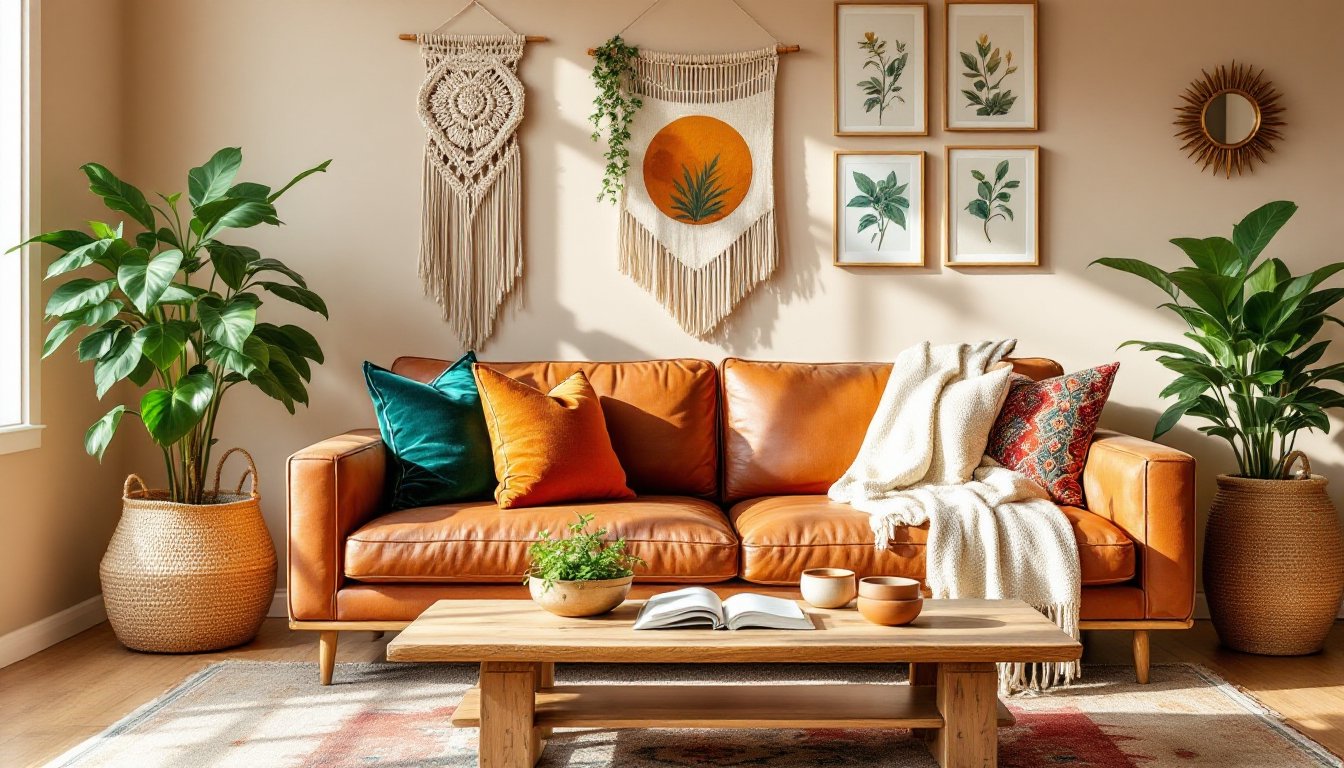
Bohemian design throws the rulebook out the window, and that’s precisely the point. It’s the anti-perfectionist’s answer to cookie-cutter interiors, celebrating collected treasures over catalog matching sets. Unlike styles that demand strict adherence to palettes and periods, boho interior design rewards the bold mix: vintage textiles alongside modern seating, plants spilling from macramé hangers, and layers of pattern that somehow just work. For homeowners who’d rather express personality than follow trends, this style offers freedom without chaos. The trick isn’t buying more stuff, it’s curating what you already love and giving it room to breathe.
Key Takeaways
- Bohemian interior design celebrates personal collections and mixed textures over matching sets, giving your space authentic character and freedom of expression.
- Layer multiple textures through natural materials like rattan, wood, leather, and woven fabrics to create visual depth and tactile richness in any room.
- Bohemian style thrives on intentional curation rather than clutter—choose quality pieces that tell a story, use thrift stores and estate sales for authentic finds, and rotate collections seasonally.
- Incorporate proper lighting with at least three sources per room (overhead fixtures, floor lamps, and task lighting) to achieve the warm, cozy atmosphere bohemian design demands.
- Mix jewel-tone or earthy color palettes with complementary accent colors, then test paint samples under your home’s actual lighting before committing.
- Plants are non-negotiable in bohemian interiors—vary heights using floor plants, hanging baskets, and shelf clusters in terracotta or ceramic planters to complete the look.
What Is Bohemian Interior Design?
Bohemian style interior design emerged from the unconventional lifestyles of 19th-century artists and nomads who rejected mainstream materialism. Today’s interpretation retains that countercultural spirit while adapting to modern living.
At its core, bohemian style interior design characteristics include:
- Global influences: Textiles from Morocco, rugs from Turkey, ceramics from Mexico, pieces tell travel stories whether you’ve been there or not.
- Natural materials: Rattan, jute, wood, leather, and stone ground the look in tactile reality.
- Layered comfort: Multiple seating options, cushions piled on floors, throws draped over chairs, functionality through abundance.
- Personal collections: Books, instruments, art, plants, objects displayed for daily use, not just decoration.
Boho chic interior design softens the edges with more neutral bases and curated clutter, but both approaches resist the minimalist urge to strip rooms bare. The style thrives in older homes with architectural quirks but translates equally well to modern spaces needing warmth. You won’t find matching furniture sets or perfectly coordinated accessories, cohesion comes from repeating materials, colors, and organic shapes rather than buying from a single collection.
Key Elements of Bohemian Style
Pulling off a bohemian space requires understanding its building blocks. Get these right, and the room assembles itself.
Color Palettes for Bohemian Interiors
Bohemian color schemes split into two camps. The jewel-tone approach layers saturated hues, emerald, sapphire, ruby, amber, against dark or neutral walls. Think deep teal accent walls (Benjamin Moore’s Deja Vu or similar) with rust-colored textiles and brass fixtures. This works particularly well in rooms with good natural light or where you want drama.
The earthy neutral route builds on terracotta, cream, olive, ochre, and soft peach tones. Walls stay white or warm beige (accessible beige or shaker beige in SW’s line), letting textiles and wood tones do the talking. This palette suits smaller spaces or homes where boho touches just one or two rooms. Integrating asymmetrical balance through color placement, heavier tones anchoring one side of a room, keeps the eye moving without visual chaos.
Whichever direction you choose, introduce one or two accent colors at about 70% saturation. Burnt orange, dusty pink, or sage green work across both palettes. Paint sample boards before committing: bohemian colors shift dramatically under different lighting conditions. Sherwin-Williams and Benjamin Moore both offer peel-and-stick samples now, worth the $5 investment.
Textures and Layering Techniques
Bohemian spaces succeed or fail on texture. A room full of smooth surfaces reads as sterile, not free-spirited.
Start with foundational layers:
- Flooring: If you’re stuck with builder-grade carpet, layer washable cotton or jute rugs (8’×10′ minimum for living rooms). For hardwood or tile, vintage or distressed Persian-style rugs from second-hand sources add instant authenticity. Avoid matching rug sets, overlap smaller rugs or use runners to define zones.
- Walls: Flat or matte paint shows texture better than eggshell. Consider one accent wall in grasscloth wallpaper or even preserved moss panels (these require zero maintenance and add literal dimension).
- Windows: Swap plastic blinds for bamboo roman shades or linen curtains hung on wood or wrought-iron rods. Curtains should pool slightly on the floor, bohemian style doesn’t do precise hems.
Next, add mid-level texture through furniture and larger decor:
- Rattan or wicker seating (chairs, baskets, shelving)
- Leather poufs or ottomans (distressed leather beats pristine)
- Macramé wall hangings or plant hangers (avoid overly symmetrical patterns)
- Velvet or corduroy throw pillows mixed with linen and cotton
Many of these textures complement pattern-rich interiors, especially when mixing geometric tribal prints with organic florals.
Finally, layer accessories:
- Woven baskets in varying sizes for storage and display
- Ceramic or terracotta planters (unglazed finishes preferred)
- Wooden bowls, trays, and sculptural objects
- Metal lanterns or candle holders with patina
The rule of three doesn’t apply here, cluster five to seven objects of varying heights on shelves or surfaces. Leave some breathing room, but don’t be precious about spacing.
How to Incorporate Bohemian Design in Your Home
Theory’s one thing: execution separates successful bohemian spaces from garage-sale chaos. Here’s how to build it room by room.
Furniture and Decor Essentials
Seating: Mix seating types rather than matching sets. A vintage leather sofa pairs well with a modern velvet armchair and floor cushions. Look for low-profile pieces, bohemian rooms favor lounging over formal posture. Daybeds, futons, or even a twin mattress on a platform frame with bolster pillows work as flexible seating and sleeping options. Secondhand stores and estate sales yield better finds than big-box retailers for this style. Resources like MyDomaine frequently feature vintage shopping guides worth consulting before you buy new.
Tables and storage: Go for wood over glass or metal. Reclaimed wood coffee tables, carved side tables, or even vintage trunks serve dual purposes. Open shelving beats closed cabinets, display books spine-out, mix horizontal and vertical stacks, and intersperse with plants and objects. If you’re building shelves, use 1×12 pine or poplar boards on black pipe brackets for an industrial-boho hybrid. Sand and stain them (Minwax’s Jacobean or Dark Walnut match the aesthetic) or leave raw for lighter spaces.
Lighting: Overhead fixtures should make a statement. Rattan pendant lights, Moroccan lanterns, or even a vintage chandelier with Edison bulbs set the tone. Install dimmer switches (single-pole dimmers run $15-25 and take 20 minutes to swap, turn off the breaker first). Layer with floor lamps, table lamps, and string lights. Warm white LEDs (2700K) beat cool daylight bulbs every time. For renters, plug-in pendant kits let you hang statement fixtures without hardwiring.
Wall decor: Gallery walls work, but bohemian versions mix framed art with textiles, mirrors, baskets, and three-dimensional objects. Use a paper template to plan layout on the floor first, then transfer to wall. For hanging textiles, sew a rod pocket or use a wood dowel and leather cord. Tapestries, vintage scarves, or kilim rugs all translate to wall art. If drilling’s off-limits, adhesive picture hangers rated for the weight work on most surfaces (3M Command Picture Hanging Strips hold up to 16 lbs per pair).
Plants: Non-negotiable. Pothos, snake plants, and philodendrons tolerate neglect: fiddle-leaf figs and monstera make bold statements if you’re committed to watering. Vary heights with floor plants, hanging baskets, and shelf clusters. Use terracotta, ceramic, or woven basket planters, skip the plastic. If you’re adding hanging plants, locate ceiling joists with a stud finder and use ceiling hooks rated for at least 10 lbs (plants get heavy when watered).
Textiles everywhere: Throws on every seating surface, pillows in odd numbers (5-7 per sofa), and layered bedding. Mix prints fearlessly, pair suzani patterns with ikats, florals with geometrics. The common thread (literally) should be similar color temperatures. Wash everything before arranging: natural fibers shrink and fade, and you want to see the real colors. DIYers can create custom pillows from vintage fabric, 18×18-inch or 20×20-inch pillow inserts from craft stores cost $5-8, and basic envelope closures require zero zippers.
For those tracking interior design costs, bohemian style can stretch any budget. Thrifted furniture and DIY accessories keep expenses low, while investment pieces like quality rugs or handmade textiles add long-term value. Recent showcases on Homify demonstrate how mixing price points, secondhand frames with new textiles, salvaged wood with modern lighting, creates depth without very costly.
Common Mistakes to Avoid When Designing a Bohemian Space
Bohemian design’s forgiving nature doesn’t mean anything goes. Here’s where DIYers commonly stumble.
Overdoing the clutter: Bohemian is curated, not chaotic. If you can’t dust it, reconsider displaying it. Surfaces should showcase intentional groupings, not every tchotchke you own. Rotate collections seasonally to keep the look fresh without adding more stuff.
Ignoring scale: A tiny apartment can’t support heavy carved furniture and floor-to-ceiling tapestries. In spaces under 800 square feet, scale back to smaller furniture, lighter colors, and fewer but larger statement pieces. Vertical storage and wall-mounted shelves preserve floor space.
Forgetting function: Bohemian style still needs to work for daily life. If you’ve got kids or pets, white textiles and delicate ceramics at toddler height won’t last. Opt for washable rugs, durable fabrics, and higher shelving. This isn’t lifestyle Pinterest, it’s your actual home.
Buying everything new: Half the charm is the patina of age and the story behind pieces. New “distressed” furniture from big-box stores reads fake. Hunt estate sales, Craigslist, Facebook Marketplace, and thrift stores first. Sand, paint, or refinish pieces yourself, a weekend project adds authenticity that can’t be purchased. Modern takes on boho-chic decor often blend vintage finds with contemporary basics rather than buying pre-styled collections.
Skipping the prep work: Hanging heavy mirrors or textiles without proper anchors leads to drywall damage. Use the right hardware for your wall type, toggle bolts for drywall, masonry anchors for plaster, wood screws into studs whenever possible. If you’re painting walls or refinishing furniture, don’t skip primer and sanding. Boho’s relaxed vibe doesn’t excuse sloppy craftsmanship.
Neglecting lighting: A room with only overhead lighting kills the cozy, layered atmosphere bohemian spaces need. Budget at least three light sources per room. Thrift store lamps cost $10-20 and take 15 minutes to rewire if needed (lamp rewiring kits run $8 and require only a screwdriver).
Matching too much: If your pillows match your curtains match your rug, you’ve missed the point. Bohemian design celebrates the unexpected pairing, the Turkish rug with the Mexican blanket, the mid-century chair with the Victorian mirror. Trust your instincts over coordination rules.
Bohemian interior design rewards the homeowner willing to trust their own taste over trends. It’s a style built through years of collecting, not a weekend shopping trip, and that slow accumulation shows in spaces that feel lived-in rather than staged. Whether you’re layering textiles in a rental bedroom or transforming a whole house, the principles remain: choose natural materials, embrace imperfection, and let your space tell your story. Start with one room, add pieces as you find them, and resist the urge to rush the process. The best bohemian homes evolve, they’re never really finished.