

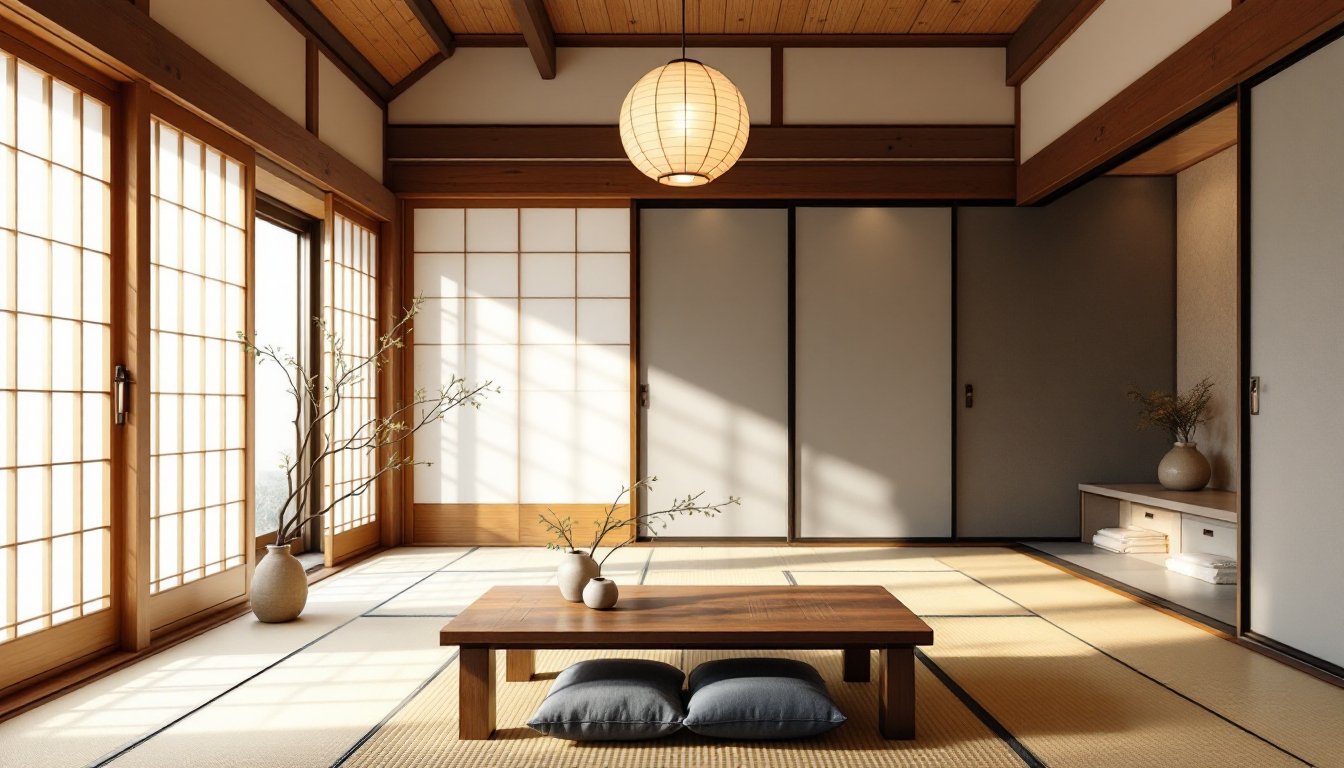
Traditional Japanese interior design isn’t about replicating a teahouse in your suburban living room. It’s a pragmatic system built over centuries to maximize limited space, enhance natural light, and create calm in busy households. The principles translate surprisingly well to modern homes: clean lines, flexible layouts, and an emphasis on craftsmanship over clutter. Whether renovating a single room or planning a whole-house refresh, understanding these design fundamentals helps homeowners make deliberate choices about materials, furniture, and spatial flow. This guide breaks down the core elements and shows how to adapt them for practical, livable spaces.
Key Takeaways
- Traditional Japanese interior design maximizes limited space and creates calm through clean lines, flexible layouts, and emphasis on craftsmanship, principles that adapt well to modern homes regardless of architectural style.
- Natural materials like wood, bamboo, stone, and paper age gracefully and can be replicated affordably—use North American alternatives like Douglas fir or walnut, and replace tatami mats with sisal or jute rugs for similar texture and function.
- Minimalist Japanese design isn’t about deprivation but ruthless editing: built-in storage, low furniture (16-18 inches), neutral color palettes, and visible joinery keep spaces uncluttered and visually calm.
- DIY-friendly sliding door systems using aluminum hardware and frosted polycarbonate panels replicate authentic shoji screens without the maintenance demands of traditional paper, making them practical for homes with pets or children.
- Strategic indirect lighting with fewer fixtures, dimmers, and 2700K LED bulbs creates warm, layered light that supports daily routines better than bright overhead grids.
- Color restraint on walls and ceilings (warm whites, soft beiges, natural wood) allows textures and seasonal accent pieces to provide visual interest while maintaining the peaceful aesthetic central to traditional Japanese interior design.
What Defines Traditional Japanese Interior Design?
Traditional Japanese interiors prioritize harmony with nature, efficient use of space, and adaptable function. Unlike Western design, which often assigns permanent roles to rooms, Japanese homes historically used multi-purpose spaces reconfigured throughout the day, dining areas became sleeping quarters, and storage stayed hidden behind sliding panels.
The aesthetic emerged from practical constraints. Japan’s dense population, seismic activity, and humid climate shaped choices: lightweight sliding walls for easy repair after earthquakes, raised floors to combat moisture, and wide eaves to manage monsoon rains. Materials were chosen for availability and performance, bamboo grows fast, tatami mats regulate humidity, and paper screens diffuse harsh sunlight.
At its core, this design philosophy embraces wabi-sabi, the acceptance of imperfection and transience. A hand-planed wooden beam shows tool marks. A clay wall develops subtle color variations. These aren’t flaws, they’re evidence of human craft and natural aging.
Modern applications don’t require historical accuracy. A homeowner can adopt the spatial logic (open floor plans, hidden storage, neutral palettes) without installing authentic shoji. The goal is creating intentional, uncluttered environments that reduce visual noise and support daily routines. That’s a framework any DIYer can work with, regardless of architectural style.
Core Elements of Japanese Interior Aesthetics
Natural Materials and Organic Textures
Japanese interiors rely on wood, bamboo, stone, paper, and clay, materials that age gracefully and connect indoor spaces to the landscape outside. Structural lumber is often left exposed, with joinery celebrated rather than concealed. Traditional hinoki cypress and keyaki (zelkova) show prominent grain patterns, but North American alternatives like Douglas fir, red oak, or walnut achieve similar warmth when finished with low-VOC oils or water-based polyurethane.
Tatami mats, woven rush over a rice straw core, dictate room proportions in traditional homes. Each mat measures roughly 3 feet by 6 feet, and room sizes are described by mat count (a six-mat room is about 108 square feet). DIYers can mimic the texture with sisal, jute, or seagrass area rugs over hardwood or engineered flooring. These natural fibers require similar maintenance: regular vacuuming and immediate spill cleanup to prevent staining.
Stone appears in genkan (entryways) and garden-facing thresholds. Slate, limestone, or honed granite work well for mudroom transitions. Keep grout lines minimal and use penetrating sealers rated for foot traffic, reapply every 2-3 years depending on wear.
Paper shoji screens filter light beautifully but aren’t practical in homes with pets or active kids. Frosted acrylic panels in wooden frames offer similar diffusion with better durability. For wall finishes, lime plaster or clay-based paints provide the subtle texture of traditional walls without the maintenance headaches of authentic earthen plaster, which cracks in low-humidity climates and requires skilled trowel work.
Minimalism and Functional Simplicity
Japanese minimalism isn’t about deprivation, it’s about editing ruthlessly so every object earns its place. Built-in storage keeps surfaces clear. Furniture stays low to emphasize vertical space and sightlines. Decorative elements rotate seasonally rather than accumulating year-round.
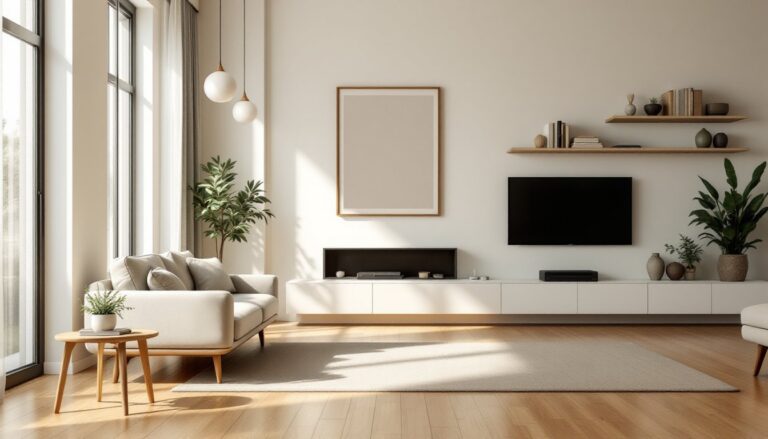
In practice, this means floor-level seating (cushions, low platforms) and tables no taller than 16-18 inches. Western homes can incorporate this selectively: a sunken conversation pit, platform beds without box springs, or floating wall-mounted desks that keep floors visible and uncluttered.
Closets and cabinets use sliding doors to save swing clearance. Bypass closet doors achieve the same space efficiency. Within storage areas, adjustable shelving and pull-out drawers beat deep shelves where items pile and disappear. Many DIYers overlook this: a well-organized closet with half the cubic footage outperforms a walk-in crammed with inaccessible junk.
Color restraint supports the minimalist goal. Walls, ceilings, and floors stay neutral, off-white, warm gray, pale sand, or natural wood tones. Accent colors appear in small, replaceable items: pillows, pottery, a single scroll painting. This isn’t about sterility: it’s about letting textures (wood grain, woven fibers, stone veining) provide visual interest without competing patterns.
Functional simplicity also means honest construction. Joinery stays visible. Support beams aren’t boxed in. Structural elements like asymmetrical balance can enhance visual interest without adding ornament. If you’re framing a feature wall or building custom shelving, consider leaving clean plywood edges exposed and finished rather than wrapping everything in trim. It’s less work and more authentic to the Japanese approach.
How to Incorporate Traditional Japanese Design in Your Home
Shoji Screens, Tatami Mats, and Sliding Doors
Shoji screens traditionally consist of wood lattice frames (kumiko) holding washi paper panels. They slide on wooden tracks and divide rooms without permanent walls. Authentic shoji require careful humidity control, the paper tears easily and yellows with age. For a DIY-friendly version, build frames from 1×2 pine or poplar with lap joints or pocket screws, then insert frosted polycarbonate sheets instead of paper. Use 1/8-inch acrylic for better rigidity or corrugated polycarbonate for extra light diffusion.
Installation requires level, parallel tracks top and bottom. Aluminum sliding door hardware kits (available at most home centers) work well. Mount the upper track to ceiling joists with 2-inch wood screws, and use shims as needed to prevent binding. Test slide action before final assembly, frames should glide with one-finger pressure. If they stick, plane the bottom rail or adjust track spacing.
Tatami mats are traditional but high-maintenance in dry or pet-heavy homes. Bound sisal tiles or foam-core tatami-style mats offer similar aesthetics with easier cleaning. Install over any flat subfloor: just ensure the surface is level within 1/8 inch per 6 feet to prevent gaps. For rental-friendly options, use interlocking foam mats with tatami-print covers.
Sliding fusuma doors (opaque panels between rooms) operate on the same track system as shoji. DIYers can retrofit bypass closet hardware for interior doorways. Choose solid-core doors or build lightweight frames with 1/4-inch plywood skins over a pine perimeter frame. Finish with fabric panels, patterned wallpaper, or paint in matte neutral tones. Standard hollow-core bifold doors won’t work, they’re too flimsy and don’t slide smoothly without proper bottom guides.
One critical note: load-bearing walls cannot be removed to install sliding partitions without engineering approval and permits. Consult local building codes (IRC Chapter 6 covers wall framing) before cutting studs. Non-structural partition walls are fair game, but always verify with a licensed contractor if you’re unsure.
Color Palettes and Lighting Techniques
Traditional Japanese interiors use earth tones and neutral bases: warm whites (not cool grays), soft beiges, charcoal, and natural wood finishes. Accent colors, if any, come from nature: muted greens, indigo blues, rust reds. Paint coverage for quality low-VOC interior paint runs about 350-400 square feet per gallon on smooth drywall: plan for two coats.
For walls, choose matte or eggshell finishes to avoid glare. Satin and semi-gloss read too modern and reflective. If going for texture, skip heavy orange-peel spray: instead, use a skip-trowel plaster technique with joint compound thinned 10-15% with water. Apply with a steel trowel in random strokes, then lightly flatten high spots after a 10-minute setup. This mimics the subtle irregularity of clay walls without specialty materials.
Lighting emphasizes soft, indirect sources over bright overhead fixtures. Paper lanterns (chochin) or pendant shades diffuse bulbs and cast warm pools of light. Use 2700K LED bulbs to match the color temperature of incandescent (avoid cool daylight LEDs above 3500K). Dimmers are essential, install them on all overhead circuits. CFL bulbs don’t dim well: stick with dimmable LEDs or halogens.
Wall sconces and floor lamps should direct light upward or sideways, bouncing off walls and ceilings rather than shining directly into eyes. For task lighting, swing-arm lamps or under-cabinet LED strips work well, just keep them hidden from direct view.
Natural light management is equally important. Wide eaves in traditional homes keep summer sun out while allowing low winter rays in. Homeowners can replicate this with exterior roller shades, horizontal wood blinds, or even adjustable awnings. Inside, sheer linen or cotton curtains soften light without blocking it entirely, avoid heavy blackout drapes unless needed for bedrooms. Many modern homes blend traditional Japanese principles with contemporary lighting to achieve this balance.
When planning electrical, avoid recessed can lights clustered in grids. Instead, use fewer, strategically placed fixtures. One or two pendant lights over a dining table, a floor lamp in a reading nook, and under-cabinet strips in the kitchen create layers of light that can be adjusted to time of day and activity. This approach also simplifies wiring and reduces the number of ceiling penetrations, fewer holes to patch if you change your mind later.
Safety note: any electrical work beyond replacing a fixture requires understanding of NEC (National Electrical Code) requirements. Running new circuits, installing dimmers on three-way switches, or working inside the panel should be handled by a licensed electrician or a DIYer with solid knowledge of residential wiring and local permit requirements.
For more interior design trends that complement Japanese aesthetics, consider exploring platforms like Dwell or Homedit, which showcase contemporary applications of minimalist principles.