


Denver’s interior design market isn’t slowing down. The city’s population continues to grow, commercial developments are popping up across downtown and surrounding suburbs, and renovation projects are keeping design professionals busy year-round. Whether someone’s fresh out of school or looking to relocate from another market, Denver offers a range of opportunities for interior designers at different career stages. This guide breaks down what’s available, what employers expect, where to look, and what to realistically expect in terms of compensation and career trajectory in the Mile High City’s design industry.
Key Takeaways
- Interior design jobs Denver span residential, commercial, and hospitality sectors, with consistent demand driven by population growth, commercial development, and ongoing renovation projects across the metro area.
- Denver employers expect interior design professionals to hold at least an associate degree, gain NCIDQ certification for mid-to-senior roles, and master software including AutoCAD, SketchUp, Adobe Creative Suite, and Revit for commercial work.
- Entry-level designers earn $40,000–$52,000 annually, while mid-level positions offer $55,000–$75,000 and senior roles command $75,000–$95,000+, with commercial and hospitality design typically paying more than residential work.
- Building a strong portfolio, networking through ASID Colorado or IIDA Rocky Mountain Chapter, and targeting firm career pages and industry-specific job boards like ASID Career Center increases success in finding interior design jobs in Denver.
- Denver’s modern mountain contemporary aesthetic—blending clean lines, natural materials, and outdoor-lifestyle-inspired design—gives interior designers who understand regional style a competitive advantage in the market.
Why Denver Is a Hotspot for Interior Design Careers
Denver’s design scene benefits from several converging factors that create consistent demand for interior designers. The metro area has seen steady population growth over the past decade, bringing new residents who need homes designed and existing homeowners looking to renovate.
The commercial real estate sector remains active even though economic fluctuations. New office buildings, boutique hotels, restaurants, and retail spaces require design expertise from concept through completion. Denver’s hospitality industry, bolstered by tourism and business travel, maintains steady demand for designers who specialize in hotels, lodges, and experiential spaces.
Residential construction hasn’t stopped either. Suburban expansion in areas like Highlands Ranch, Stapleton, and Boulder County feeds demand for residential designers who can work with builders and custom home clients. Meanwhile, Denver’s older neighborhoods, Capitol Hill, Park Hill, Washington Park, generate renovation work as homeowners update historic properties while preserving architectural character.
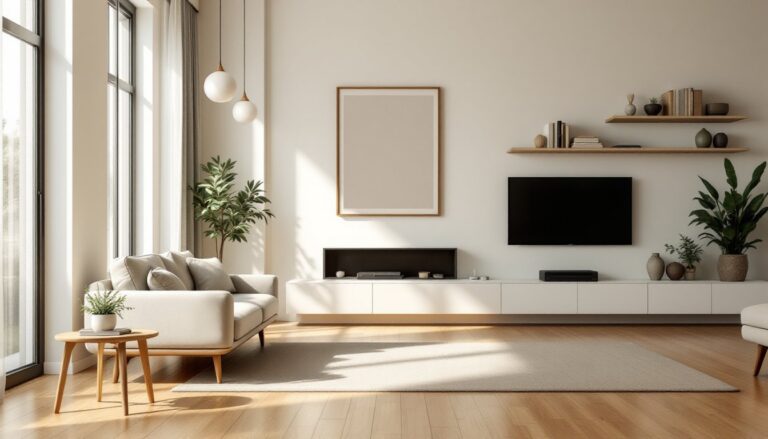
The city’s design aesthetic leans toward modern mountain contemporary, blending clean lines with natural materials like reclaimed wood, stone, and metal. Designers who understand this regional style while bringing fresh perspectives tend to stand out. Colorado’s outdoor lifestyle also influences interior choices, with many clients requesting mudrooms, gear storage, and durable finishes that can handle active families and pets.
Many established design firms in the Denver area maintain consistent hiring patterns, looking for both entry-level assistants and experienced project managers.
Types of Interior Design Jobs Available in Denver
Denver’s design job market covers a spectrum of specializations and experience levels. Understanding which category fits best helps narrow the search and tailor application materials.
Residential Interior Designer Positions
Residential design roles range from entry-level assistants to senior designers managing full projects. Junior designers typically support lead designers by creating mood boards, sourcing materials, drafting floor plans in AutoCAD or SketchUp, and coordinating with vendors. These positions often require 1-2 years of experience or a recent degree from an interior design program.
Mid-level residential designers handle client consultations, space planning, material selections, and project management. They work directly with contractors, manage budgets, and oversee installations. Many residential firms in Denver prefer designers with NCIDQ certification, though it’s not always mandatory for every position.
Senior residential designers or design directors lead multiple projects, manage junior staff, and maintain client relationships. These roles require 5-10 years of experience, a strong portfolio, and proven ability to manage complex renovations or new builds from concept to completion.
Some residential designers work independently as freelancers or run small studios. This path requires not just design skills but also business acumen, invoicing, contracts, insurance, and marketing all become part of the job.
Commercial and Hospitality Design Roles
Commercial design in Denver encompasses office spaces, retail stores, restaurants, and mixed-use developments. These projects typically involve larger budgets, stricter code requirements, and collaboration with architects, engineers, and general contractors. Commercial designers need familiarity with ADA compliance, building codes, fire safety regulations, and commercial-grade materials that meet durability and maintenance standards.
Hospitality design, hotels, resorts, lodges, bars, and restaurants, remains strong in Denver given the city’s tourism draw and growing food and beverage scene. Hospitality designers balance brand identity, guest experience, durability, and operational flow. These projects often move quickly and require designers who can manage tight timelines and coordinate with multiple stakeholders.
Corporate interior design roles within real estate development firms or architecture studios offer stable employment with benefits. These positions focus on workplace design, tenant improvements, and speculative office suites. Designers in these roles work closely with project managers and often use Revit plus to traditional design software.
Some designers specialize in healthcare, senior living, or educational facilities. While these niches exist in Denver, they represent a smaller slice of available positions compared to residential and general commercial work. Those considering these specialized areas should expect additional certification or experience requirements.
Essential Qualifications and Skills Denver Employers Seek
Denver employers typically look for a combination of formal education, hands-on experience, and proficiency with industry-standard tools. Most firms require at least an associate degree in interior design, though a bachelor’s degree from an accredited program, ideally CIDA-accredited, opens more doors. Those wondering how long design school takes should plan for 2-4 years depending on degree level.
NCIDQ certification carries weight in the Colorado market. While not legally required to practice interior design in Colorado (the state doesn’t regulate interior design titles), many reputable firms prefer or require it for mid-level and senior positions. The NCIDQ exam requires a combination of education and documented work experience, so recent graduates should plan to accumulate those hours while working under a certified designer.
Software proficiency is non-negotiable. Employers expect fluency in AutoCAD, SketchUp, and Adobe Creative Suite (Photoshop, InDesign, Illustrator). Many commercial firms also use Revit, so familiarity with BIM software helps. Rendering programs like Enscape, V-Ray, or Lumion add value, especially for client presentations. Spreadsheet skills for budget tracking and project management software like Monday.com or Asana also come up frequently.
Soft skills matter as much as technical ability. Denver firms want designers who can communicate clearly with clients, contractors, and vendors. Project management, juggling timelines, budgets, and multiple stakeholders, is essential, especially as designers advance. Problem-solving on the fly when installations don’t go as planned or materials arrive damaged separates competent designers from excellent ones.
A strong portfolio showcasing completed projects, process work, technical drawings, and conceptual thinking is mandatory. Even entry-level candidates should include school projects, internships, or volunteer work. Tailor the portfolio to the type of firm: residential studios want to see residential work, while commercial firms need evidence of code knowledge and large-scale space planning.
Local market knowledge helps too. Understanding Denver’s building codes, popular materials suppliers (Floor Covering International, Arizona Tile, Daltile showrooms), and the general design aesthetic in different neighborhoods shows a candidate has done their assignments. Many design resources like Homedit and Homify offer project inspiration to understand current trends.
Where to Find Interior Design Job Openings in Denver
Job hunting for interior design positions requires casting a wide net and using multiple channels. Denver’s design community is active but not enormous, so networking and persistence pay off.
Online job boards remain a primary resource. Indeed, LinkedIn, and Glassdoor list openings from large firms and corporate employers. Search terms like “interior designer Denver,” “design assistant Denver,” or “junior designer Colorado” pull relevant results. Set up alerts to catch new postings quickly, competitive positions can fill within days.
Industry-specific sites like ASID Career Center (American Society of Interior Designers) and IIDA Job Bank (International Interior Design Association) feature listings from firms specifically seeking design professionals. These boards often have higher-quality postings than general job sites.
Networking opens doors that online applications can’t. Join the local ASID Colorado or IIDA Rocky Mountain Chapter to attend events, continuing education sessions, and mixers. Many firms hire through referrals rather than public postings. Volunteering for design-related nonprofits or participating in events like the Denver Designer Showhouse builds connections with established professionals.
Direct outreach to firms works, especially for smaller studios that may not post openings publicly. Research Denver-area firms whose work aligns with career goals, then send a tailored cover letter and portfolio link. Even if they’re not hiring immediately, they may keep materials on file or know of other firms looking.
Visit local architecture and design firms’ websites directly. Firms like Oz Architecture, Semple Brown, and other Denver-based studios list openings on their careers pages. Smaller residential firms may only post on their own sites or social media.
Staffing agencies that specialize in creative and design roles can connect candidates with contract or temp-to-hire positions. While these may not lead to immediate full-time employment, they provide experience, portfolio work, and industry contacts.
Salary Expectations and Career Growth in Denver’s Design Market
Salary ranges for interior designers in Denver vary based on experience, specialization, firm size, and whether the position is residential or commercial. Entry-level designers or design assistants typically earn $40,000-$52,000 annually. These roles involve supporting senior designers, managing samples, drafting plans, and coordinating with vendors.
Mid-level designers with 3-5 years of experience and a solid portfolio can expect $55,000-$75,000. At this level, designers manage their own projects, meet directly with clients, and often have some autonomy in design decisions. NCIDQ certification and proficiency in multiple software platforms increase earning potential.
Senior designers, design directors, or project managers with 7+ years of experience and proven client management skills earn $75,000-$95,000+. These professionals lead teams, oversee multiple large projects, and may have business development responsibilities. Compensation at this level often includes bonuses tied to project profitability or firm performance.
Commercial and hospitality designers generally earn more than residential counterparts due to larger project scopes and budgets. Corporate in-house design roles with development firms or hospitality groups may offer higher base salaries plus full benefits, health insurance, 401(k) matching, PTO, which smaller residential studios may not provide.
Freelance and independent designers set their own rates, typically charging $75-$150 per hour depending on experience and project type. Some work on a flat fee per project or a percentage of the total project budget (usually 10-20%). Freelancers must account for taxes, insurance, software licenses, and marketing costs when setting rates.
Career growth paths in Denver’s design market include moving from residential to commercial work, specializing in a niche like sustainable design or historic preservation, or transitioning into business ownership. Some designers pivot into adjacent roles like real estate staging, facilities management, or product sales with furniture and materials vendors.
The market rewards designers who continue learning. Pursuing LEED certification, learning new software, or attending trade shows like High Point Market or NeoCon keeps skills current and networks active. Many firms support continued design education for employees, covering costs for workshops or certifications.
Denver’s cost of living, while rising, remains lower than major coastal markets like New York or San Francisco, though design costs and project budgets should factor into salary expectations. Salaries that seem modest by New York standards provide comfortable living in the Denver metro area, especially for those willing to live in surrounding suburbs.