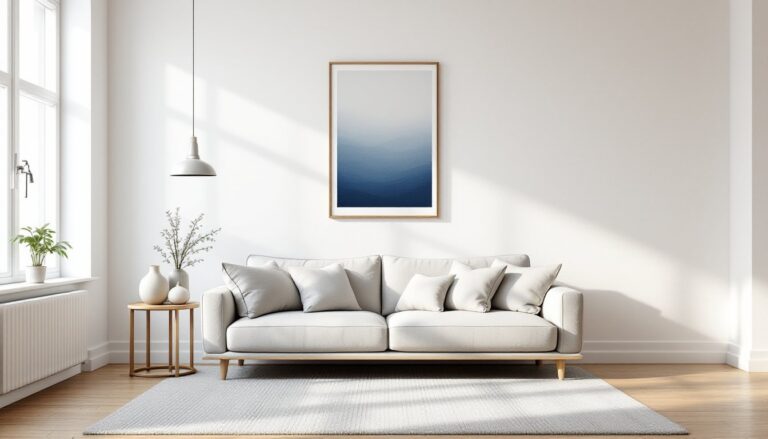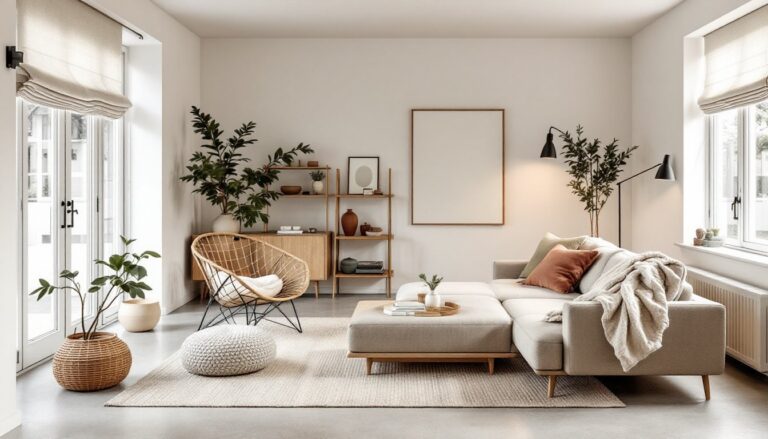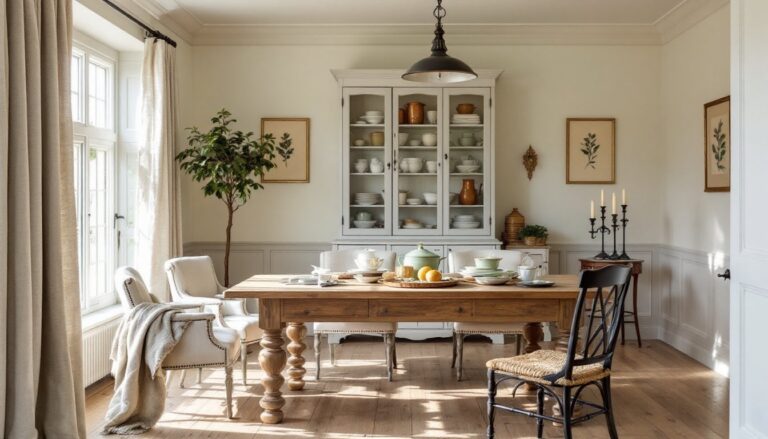


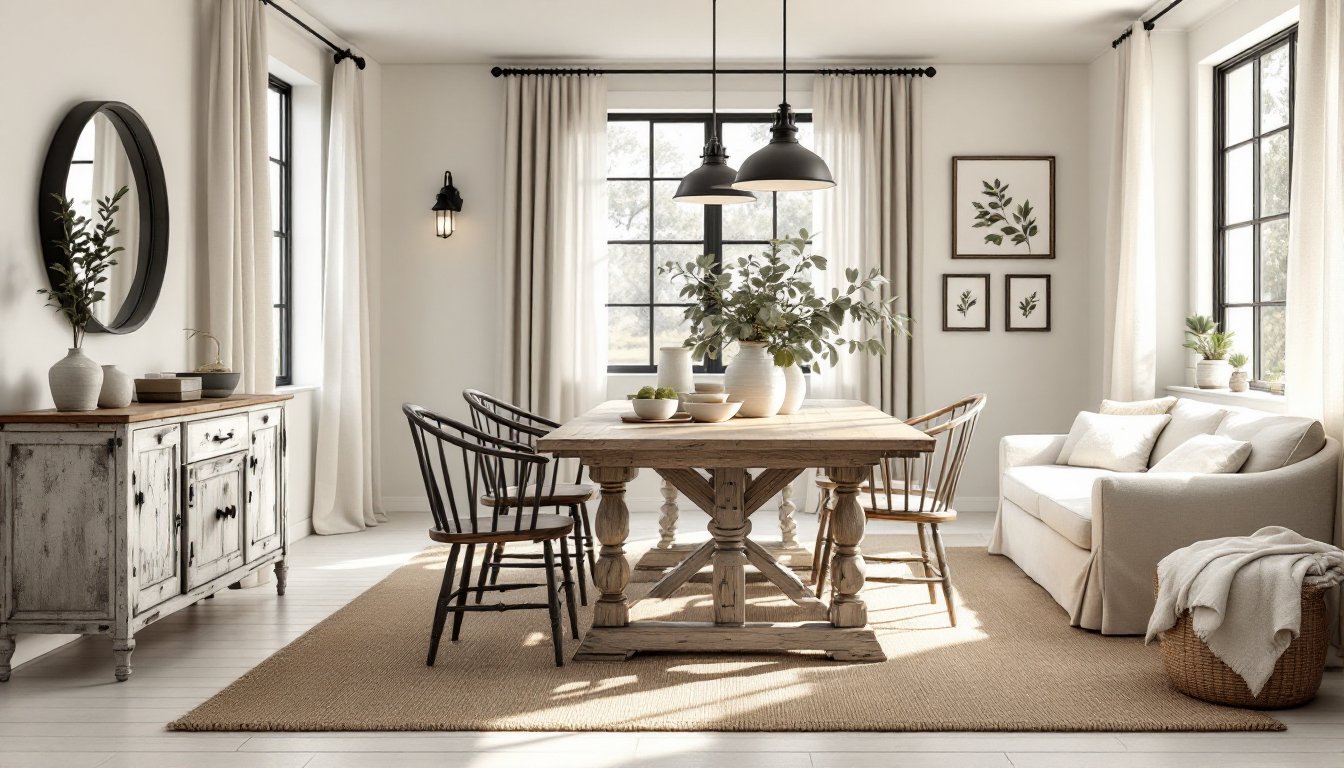
Farmhouse decor has moved well beyond Pinterest inspiration boards, it’s now a practical, livable aesthetic that homeowners and DIY enthusiasts are choosing for its honesty and comfort. Whether you’re drawn to the weathered wood, the neutral color palettes, or the way rustic farmhouse decor makes a space feel both elegant and genuinely lived-in, the style works because it prioritizes function alongside beauty. Unlike fleeting design trends, farmhouse style emphasizes durability, mixed textures, and the kind of character you can’t buy new. This guide walks through the core principles of modern farmhouse interior design, the specific colors and textures that anchor the look, and the hands-on projects you can tackle this weekend to bring that warm, inviting aesthetic into your own home.
Key Takeaways
- Farmhouse decor prioritizes function alongside beauty by emphasizing durability, mixed textures, and authentic character that can’t be replicated with new furniture alone.
- Build your farmhouse aesthetic with a neutral base of whites, creams, and soft grays, then layer in texture through natural materials like reclaimed wood, linen, and wrought iron that age gracefully over time.
- Signature farmhouse pieces like solid wood dining tables, slipcovered sofas, barn-style lighting, and vintage storage furniture create visual consistency and signal the style immediately.
- DIY projects such as painted wood signs, repurposed ladders, stacked wooden crates, and gallery walls with mismatched frames let you achieve farmhouse decor on a budget without professional help.
- Modern farmhouse interior design works because it refuses to chase trends, instead establishing a timeless foundation that feels equally comfortable today and a decade from now.
Understanding Farmhouse Style Fundamentals
Farmhouse style draws inspiration from rural homes where form followed function. Everything earned its place through practical necessity, and that principle remains at the heart of the aesthetic today. The look embraces visible wear, mixed eras, and a sense of authenticity that feels like the home has a story.
The foundation rests on three key traits. First, a neutral base, think whites, creams, and soft grays, that lets you breathe and makes the space feel larger and more cohesive. Second, natural materials like reclaimed wood, wrought iron, stone, and linen that age gracefully and develop patina over time. Third, a deliberate blend of old and new, where a vintage dresser might sit alongside a modern sofa, or antique mirrors hang above contemporary console tables.
Spatial planning matters too. Farmhouse interiors favor open, uncluttered layouts that still feel warm rather than sterile. A functional piece like an antique ladder propped in the corner doesn’t just store blankets, it becomes visual interest and conversation. Open shelving in kitchens or hallways displays everyday items (bowls, books, baskets) as decor. Old farmhouse interior design carries a quiet confidence because it doesn’t chase trends: instead, it establishes a timeless foundation that feels as comfortable in 2026 as it will in a decade.
Essential Color Palettes And Textures
Start with your color foundation: whites, creams, beiges, and soft grays create a calm backdrop that won’t compete with everything else in the room. These neutrals also stretch your budget, light walls mean you can refresh accents seasonally with throw pillows or artwork without a major overhaul.
Accent colors add depth without chaos. Black and navy are workhorses in farmhouse schemes, appearing in hardware, window frames, barn-style lighting, and sometimes a single accent wall. Sage green, muted blues, and dusty blush tones bring softness and nature indoors without feeling trendy. A single pop, a blush throw pillow or sage-painted cabinet, goes further than trying to balance multiple colors.
Texture is where farmhouse decor becomes tactile and interesting. Layer rough against smooth: pair reclaimed wood planks with soft linen curtains, combine galvanized metal buckets with plush wool throws, mix wicker baskets with smooth ceramic vessels. Jute rugs, cotton blankets, rattan wall hangings, and matte black metal fixtures create visual and physical richness. This contrast prevents the neutral palette from feeling flat or sterile. When you run your hand across different materials, textured linen, worn wood, smooth ceramic, you’re experiencing the farmhouse philosophy that beauty and practicality aren’t separate goals.
Furniture And Fixtures That Define The Look
Certain pieces signal farmhouse aesthetic immediately. A farmhouse dining table, solid wood, often with a turned or trestle base, anchors the kitchen or dining room and invites gathering. Pair it with mixed seating: wooden spindle chairs, ladder-back chairs, or a bench on one side. A slipcovered sofa in cream or white linen reads farmhouse and feels approachable: slip covers also make maintenance realistic for households with kids or pets.
Storage defines farmhouse function. Look for vintage dressers, sideboards, and hutches that have bones but might need refinishing. These pieces often cost less than new built-ins and bring character that new furniture can’t replicate. Distressed finishes (intentionally roughed-up paint that shows wood beneath) give even newer pieces that lived-in quality.
Fixtures are the jewelry of farmhouse design. Barn-style lighting with black or brass frames, shiplap or open shelving with simple brackets, black-framed windows or mirrors, and simple black or bronze hardware create visual consistency. A farmhouse sink, the apron-front style, is both functional and iconic, though a proper installation may require plumbing help if you’re replacing an existing sink. These fixtures don’t need to be antique: reproduction barn lights and farmhouse sinks are widely available and perform perfectly well for a fraction of true antique costs. Refreshing your home’s interior on a budget means prioritizing a few signature pieces and DIYing the rest.
DIY Decor Projects You Can Create Today
Rustic Wall Art And Signage
Wood plank signs are approachable first projects. Grab a piece of reclaimed wood or new pine boards from the hardware store (a 1 × 8 or 1 × 10 board works well), sand it smooth, and stencil or hand-paint a simple word: “Home,” “Gather,” or a meaningful quote. Seal it with matte polyurethane to protect against dust and light traffic. The imperfect lettering is part of the charm, precision isn’t the goal.
Oversized wall clocks made from wood or metal, framed botanical prints, cutting boards displayed as art, and woven baskets hung on walls all read farmhouse without requiring any DIY skill beyond hanging hardware. A gallery wall mixing frames of different widths and finishes (wood, black metal, whitewashed) feels curated rather than matchy. The variety is the point.
Framed animal prints or vintage botanical images are budget-friendly when sourced from thrift stores, then placed in mismatched frames you’ve painted or distressed. Sanding through the top coat of paint to expose bare wood underneath creates that aged, authentic look in a weekend.
Repurposed Storage Solutions
Wooden crates stacked or mounted on walls become blanket storage or plant shelves. Wire baskets hold books, toys, or bathroom essentials while letting items breathe visually. Mason jars on open shelving store pantry staples, kitchen utensils, or bathroom cotton balls and are nearly free if you save jars from purchases.
An old ladder, wood or metal, propped in a corner or against a wall holds rolled blankets or towels. It’s functional and becomes instant decor. Old dressers get a second life as media storage under a TV, kitchen islands topped with butcher block, or bathroom vanities if you’re comfortable with basic plumbing or can hire a professional for the water lines.
The key to repurposed storage is honest assessment: does it actually work for your needs, or are you forcing rustic charm over usability? A beautiful antique crate that doesn’t fit blankets wastes space. Choose pieces that solve a real storage problem and happen to look good while doing it. Modern farmhouse interior design thrives on this intersection of purpose and aesthetics.
Conclusion
Farmhouse decor thrives because it privileges comfort, utility, and honest character over perfection. Neutral color bases, natural textures, and repurposed pieces create a cohesive, budget-conscious style that ages beautifully. Start with one or two foundational pieces, a table, a distressed dresser, a barn light, then layer in simple DIY projects like painted signs and woven baskets. Your home becomes a reflection of your life and taste, not a showroom. That’s where the real warmth lives.