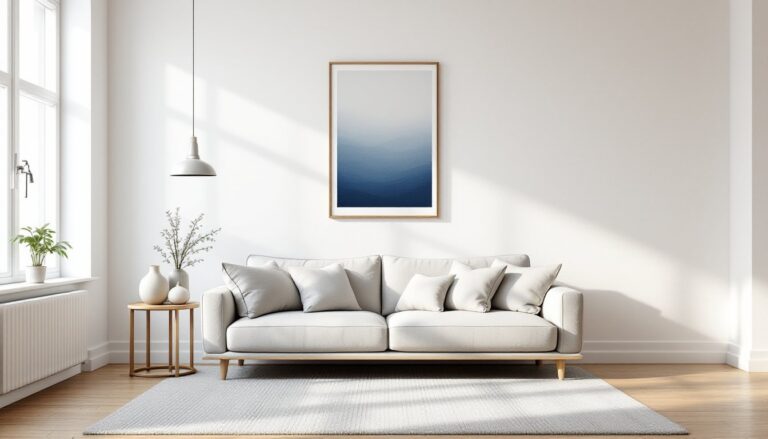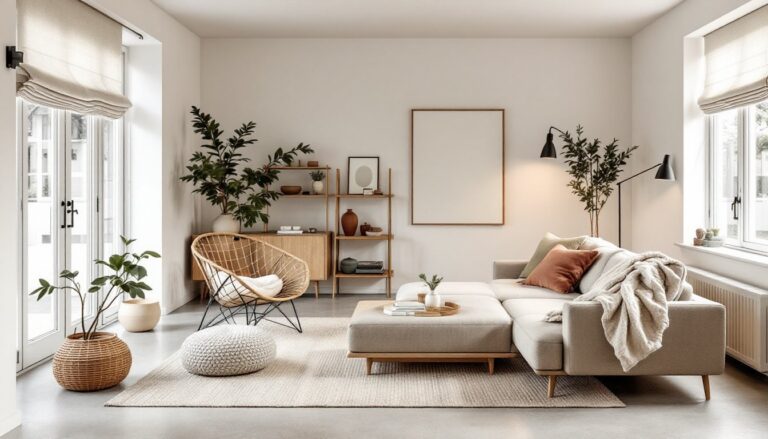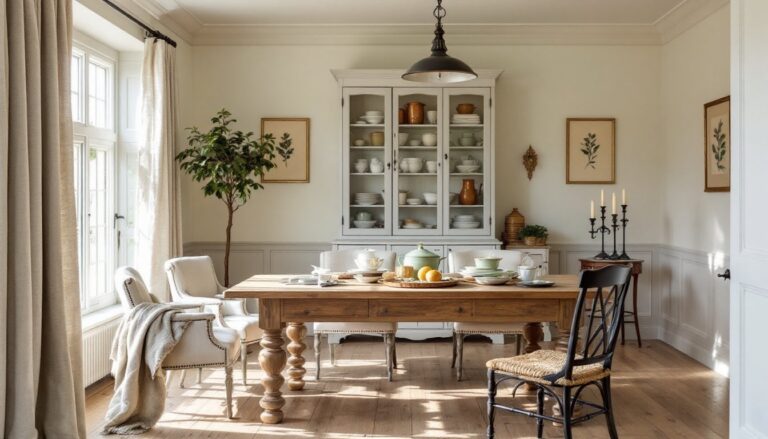


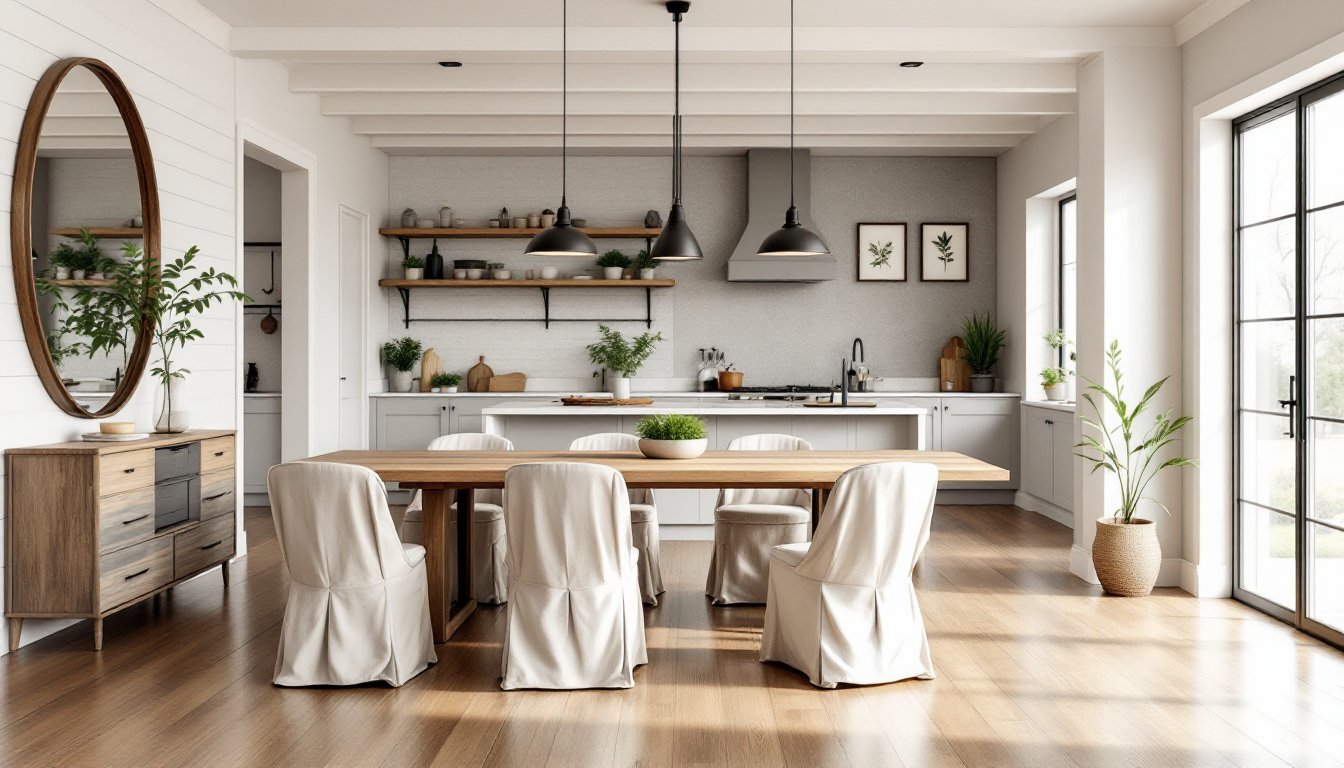
Modern farmhouse interior design blends rural heritage with contemporary comfort, creating spaces that feel both lived-in and intentional. Unlike purely rustic or purely modern styles, this hybrid approach embraces weathered wood and vintage charm while incorporating clean lines, neutral palettes, and functional layouts that work for today’s households. Whether you’re drawn to the aesthetic or simply want a home that feels warm and approachable, understanding the core principles of modern farmhouse design helps you build a cohesive look without relying solely on trendy decor purchases. This guide walks you through defining the style, selecting materials, arranging furniture, and achieving the look on a practical budget.
Key Takeaways
- Modern farmhouse interior design balances rural heritage with contemporary comfort by blending weathered wood and vintage charm with clean lines, neutral palettes, and functional layouts that work for today’s homes.
- Neutral color palettes (whites, creams, soft grays, warm taupes) paired with layered textures—rough linen, weathered wood, and brushed metals—create visual interest without bold hues in modern farmhouse spaces.
- Open-concept layouts with kitchen islands as gathering spots and furniture that prioritizes function over ornamentation define modern farmhouse style while maintaining spaciousness and calm.
- Texture is key: mix matte and semi-gloss finishes, real wood floors, reclaimed materials, and industrial elements like black metal fixtures to achieve authentic modern farmhouse interiors without relying on expensive designer pieces.
- Budget-friendly modern farmhouse transformations start with fresh paint and gradually sourced quality pieces like solid-wood tables, thrift-store finds, and DIY refinishing projects that create lasting, intentional spaces.
- Avoid trend-driven decor and instead invest in durable, neutral-toned pieces built to last, ensuring your modern farmhouse design feels timeless and welcoming for years to come.
What Defines Modern Farmhouse Style
Modern farmhouse interior design is fundamentally about balance. It takes the warmth and authenticity of traditional farmhouse, think weathered beams, reclaimed wood, and a lived-in quality, and pairs it with the simplicity and function of modern design. The result feels effortlessly collected, not overstuffed or precious.
At its heart, modern farmhouse rejects the ornate, fussy details of Victorian farmhouses in favor of clean architecture, open floor plans, and uncluttered spaces. It’s practical by nature. A farmhouse kitchen isn’t designed for show: it’s designed for feeding a family and hosting gatherings. The modern element respects that functional heritage while bringing in contemporary materials like stainless steel appliances, polished concrete, or matte black fixtures.
Color palettes lean toward neutrals, whites, creams, soft grays, and warm taupes, with accents in muted greens, dusty blues, or warm blacks. Texture compensates for the minimal color: rough linen, weathered wood, brushed metals, and natural fabrics create visual interest without relying on bold hues. According to contemporary design standards, modern farmhouse style emphasizes that feel connected rather than compartmentalized.
Key Design Elements and Color Palettes
The foundation of modern farmhouse relies on specific materials and finishes. Shiplap, vertical or horizontal wooden planks, typically primed white or left natural, became the signature farmhouse wall treatment, though it’s equally effective as an accent rather than a whole-room solution. Hardwood floors in medium to dark tones (oak, hickory, or hand-scraped finishes) anchor rooms, while white subway tile and open shelving define kitchen and bathroom spaces.
Accents often include black metal elements: frame windows, light fixtures, hardware, and railings. These create visual weight and modern contrast against pale walls. Reclaimed or barn wood, whether real or high-quality reproductions, shows up in headboards, accent walls, or floating shelves.
Color-wise, the palette is deliberately restrained. Walls typically stay white, cream, or a soft gray (think Benjamin Moore “Swiss Coffee” or Sherwin-Williams “Alabaster”). Woodwork and trim follow suit, creating a cohesive, calm backdrop. A single accent wall in a muted green or cool gray can add depth without disrupting the serene atmosphere. Soft whites and warm creams prevent spaces from feeling cold, while subtle depth through texture keeps them from appearing flat. Creating fresh, timeless interiors requires intentional color and material choices rather than reacting to what’s trending this month.
Furniture and Layout for Farmhouse Interiors
Layout is where modern farmhouse diverges most visibly from cramped, compartmentalized older homes. Open-concept kitchens and living spaces are standard, with kitchen islands functioning as both prep surfaces and gathering spots. Sight lines flow across rooms: walls come down where structure allows, and furniture placement respects those visual corridors.
Farmhouse furniture itself favors simple, sturdy pieces. A dining table in natural wood or painted white, substantial enough to feel grounded, becomes the centerpiece of family life. Upholstered seating in neutral linens or cottons, often slipcovered for easy cleaning, keeps comfort from feeling precious. Bedroom design embraces this philosophy too: a turned-leg bed frame or iron headboard, paired with natural fiber bedding and simple nightstands, creates a restful, uncluttered sanctuary. Farmhouse bedroom decor ideas that prioritize comfort alongside aesthetics.
Minimalist interior design principles actually align well with modern farmhouse. Both resist excess and prioritize function. Avoid filling every corner with furniture or decor: instead, let negative space breathe. Storage becomes invisible through built-in cabinetry, barn doors, or closed shelving that hides clutter while maintaining the aesthetic. Layouts that feel spacious and calm, not cramped, define the style.
Creating Authentic Textures and Materials
Texture is the secret weapon of modern farmhouse design. Since the palette is neutral, surfaces must work harder. Mix matte and semi-gloss finishes. Pair smooth painted walls with rough-hewn wood beams or reclaimed shiplap. Linen, wool, jute, and cotton fabrics soften the look while staying true to the practical, no-fuss philosophy.
Materials should feel honest. Real wood floors, even if refinished, beat laminate every time. If true reclaimed wood isn’t in the budget, look for character-grade hardwoods or hand-scraped options that mimic age and wear authentically. Concrete floors, polished or sealed in their natural state, fit the modern part of the equation while feeling industrial and grounded.
Brickwork, whether original or exposed during renovation, adds warmth and permanence. Stone accents in kitchens (backsplash, counters) or bathrooms bring texture and durability. Metal elements, iron, brass, or blackened steel, introduce industrial edges without feeling cold. A farmhouse kitchen benefits from mixing materials: wood counters paired with stainless or matte-black appliances, white cabinetry with oil-rubbed bronze pulls.
Farmhouse bedroom decor ideas incorporate these principles: natural wood furniture, wrought-iron accents, soft linens in cream or off-white, and perhaps a reclaimed-wood accent wall or headboard. The goal is creating a cohesive, tactile environment where every material choice feels intentional and authentic.
Lighting, Decor, and Finishing Touches
Lighting fixtures in modern farmhouse lean toward industrial farmhouse styles: black metal pendant lights over kitchen islands, simple sconce pairs flanking mirrors, or vintage-inspired chandeliers in matte finishes. Edison bulbs add warmth, though they shouldn’t overwhelm the space. Aim for layered lighting, ambient overhead, task lighting at work surfaces, and accent lights that highlight architectural details.
Decor should feel collected rather than curated. Display white ceramic pitchers, vintage enamelware, or open shelving with cookbooks and simple dishware. Botanical prints, black-and-white photography, or oil paintings in simple frames work better than busy gallery walls. A large-scale mirror in a painted wood or metal frame bounces light and adds dimension.
Plants and greenery, real or high-quality faux varieties, bring life to neutral spaces. Potted herbs on a kitchen windowsill, a large fiddle-leaf fig in a living corner, or hanging ferns add organic texture without demanding constant maintenance. Throw pillows and blankets in natural fibers (linen, cotton, wool) layered on seating pieces introduce softness without clashing with the restrained palette.
Farmhouse decor bedroom ideas should keep accessories minimal: perhaps vintage-inspired nightstands, a simple wooden ladder for displaying blankets, or a wrought-iron chandelier. Understanding how different interior design approaches balance form and function clarifies why modern farmhouse avoids clutter while maintaining warmth.
Budget-Friendly Ways to Achieve the Look
Modern farmhouse doesn’t require a fortune, especially if you’re willing to focus on high-impact, lower-cost changes. Start with paint. A fresh coat of white, cream, or soft gray transforms walls and woodwork dramatically, primer and two coats of quality paint cost far less than structural renovations and yield immediate results. Test samples on walls and live with them in different lighting before committing.
Source furniture gradually. A single reclaimed-wood dining table becomes the room’s anchor: you can add chairs gradually, mix and match pieces, and they’ll still look intentional. Thrift stores and online marketplaces offer authentic vintage pieces, look for solid wood tables, turned-leg chairs, or metal fixtures that fit the aesthetic without the designer price tag.
DIY opportunities abound. Paint old furniture white or black. Refinish or distress wood pieces to look aged. Install simple shiplap (or peel-and-stick alternatives) on an accent wall, it’s achievable with basic tools and weekend effort. Creating cozy, personalized spaces doesn’t always require major investment: thoughtful small decisions accumulate into cohesive design.
Avoid trend-driven decor. That means skipping fast-fashion furniture and instead choosing pieces built to last. A neutral upholstered sofa in durable fabric, a solid-wood bed frame, or a quality kitchen table will still feel right in five years. This approach saves money long-term and aligns with farmhouse values of practicality and permanence. Hardware swaps, lighting updates, and simple styling cost little but refresh entire spaces.
Conclusion
Modern farmhouse interior design succeeds because it balances authenticity with livability. It honors the heritage and practicality of farmhouse tradition while respecting contemporary needs for function, clean aesthetics, and open space. Whether your focus is a single room or a full-home renovation, start by establishing your neutral palette, prioritizing texture and materials, and committing to thoughtful, durable pieces rather than trend-driven purchases. The style rewards patience and intentionality, creating homes that feel timeless, welcoming, and genuinely yours.