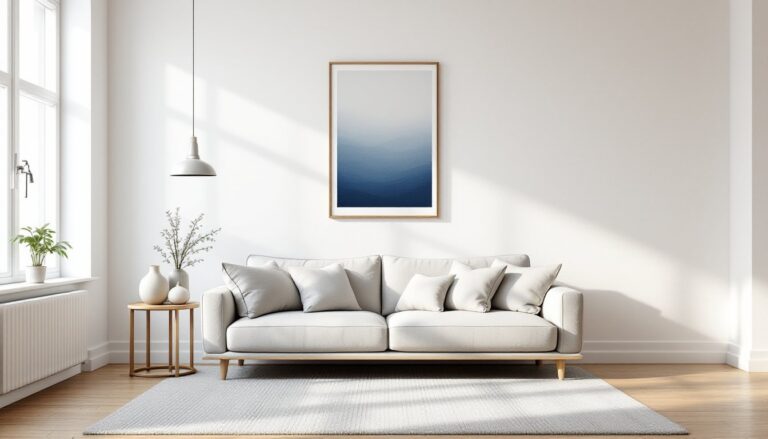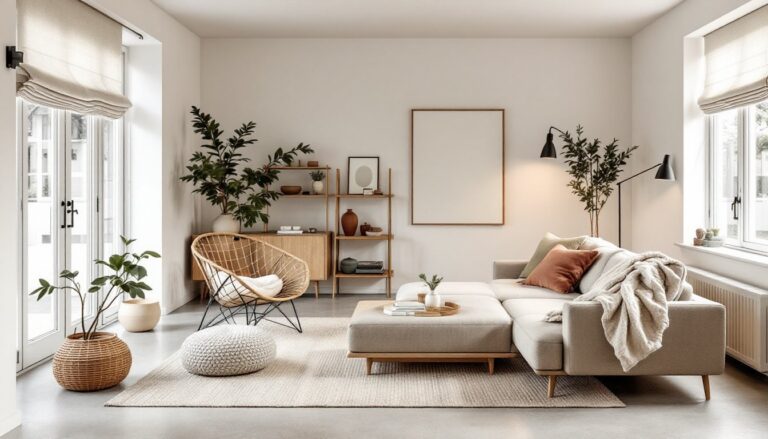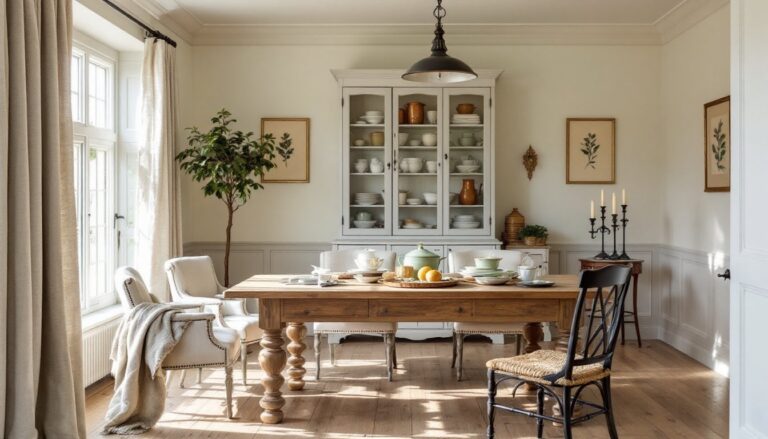


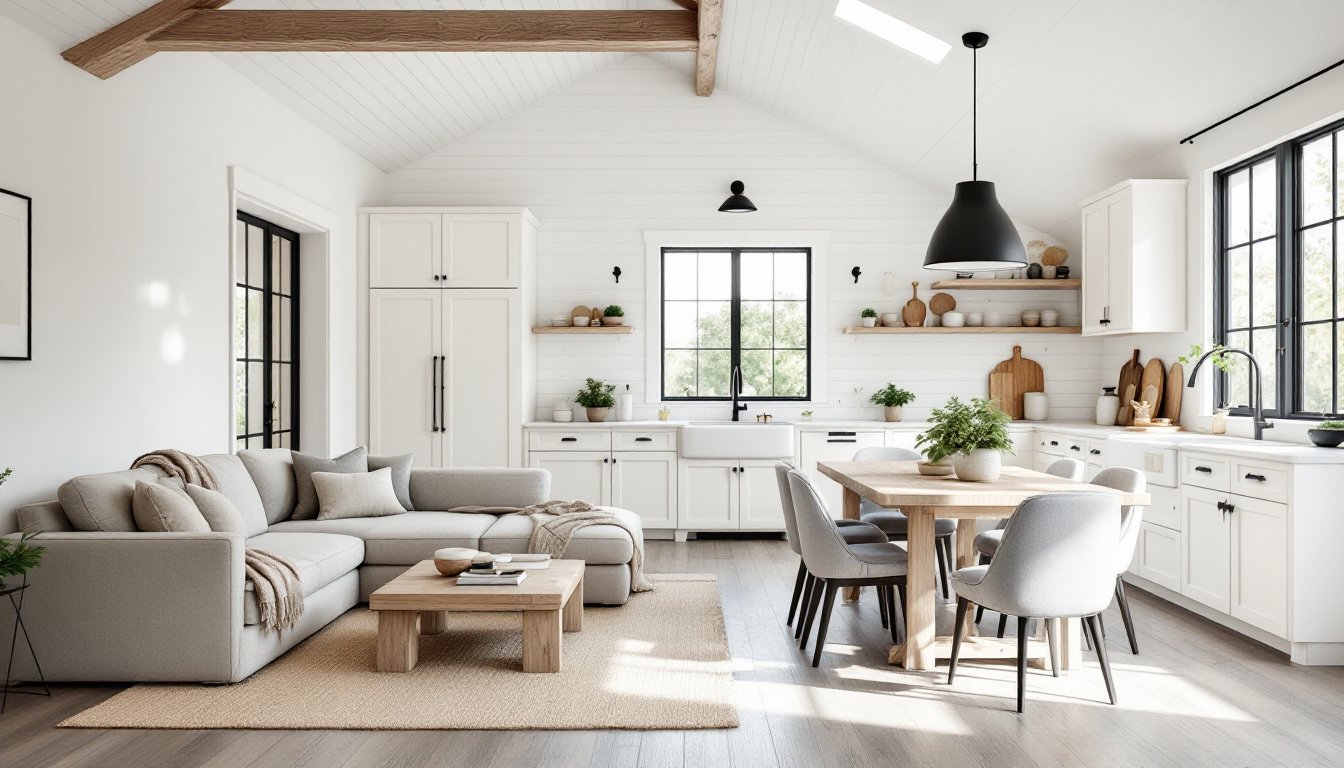
Contemporary farmhouse interior design takes the cozy bones of a classic rural home and trims away the clutter. Think shiplap without the kitsch, reclaimed wood paired with matte black hardware, and rooms that feel lived-in rather than staged. For 2026, the style has matured: warmer whites, more texture, and a stronger lean toward sustainable materials. Whether someone is renovating a 1920s farmhouse or refreshing a suburban build, this look offers a practical middle ground between rustic warmth and modern restraint, and it photographs as well as it functions.
Key Takeaways
- Contemporary farmhouse interior design balances rustic warmth with modern restraint, using neutral palettes (60% warm whites, 30% mid-tones, 10% deep contrast) and intentional, uncluttered spaces.
- Core structural elements include open floor plans with clean lines, Shaker-style cabinetry, and simple trim profiles—requiring permits for any wall removal and structural engineer approval.
- Natural materials and mixed textures are essential; layer wide-plank hardwood, honed quartz counters, and quality linens while maintaining consistent undertones across wood tones to avoid a mismatched appearance.
- Furniture selection should pair one statement rustic piece (like a reclaimed wood table) with cleaner-lined supporting furniture to avoid leaning too heavily toward kitsch or losing warmth.
- Room-specific styling—such as white oak open shelving in kitchens, low-profile wood tables in living rooms, and simple platform beds in bedrooms—requires restraint and intentional negative space on surfaces and shelves.
- The contemporary farmhouse interior succeeds by investing in fewer, higher-quality pieces and letting architecture contribute to the design rather than over-decorating, ensuring the style ages gracefully over time.
What Defines a Contemporary Farmhouse Interior
A contemporary farmhouse interior blends traditional country elements, exposed beams, plank flooring, apron-front sinks, with the clean geometry and restrained palette of modern design. The result is warmer than strict minimalist interior design, but tidier and less ornamented than its rustic predecessor.
Key markers include:
- Neutral base colors (whites, warm grays, soft taupes) carrying 70–80% of the visual weight
- Matte black or brushed brass fixtures instead of oil-rubbed bronze
- Mixed wood tones, often white oak or rift-sawn ash, rather than heavily distressed pine
- Functional, uncluttered surfaces with intentional decor moments
It’s a style that respects the architecture of an old home without freezing it in time. Compared to traditional old farmhouse interior style, the contemporary version edits more aggressively.
Core Design Elements That Set the Style Apart
Two structural choices separate modern farmhouse interior decor from its country cousin: how the space is laid out, and how materials interact within it.
Clean Lines and Open Layouts
Contemporary farmhouse interiors favor open floor plans, often achieved by removing non-load-bearing walls between the kitchen, dining, and living areas. Important: any wall removal requires verifying load status first, a structural engineer or licensed contractor should sign off before demo, and most jurisdictions require a permit under the IRC.
Within those open spaces, lines stay deliberate. Cabinet doors are typically Shaker-style (flat center panel, square edges) rather than raised panel. Trim profiles are simpler, often a flat 1×4 nominal (actual 0.75″ x 3.5″) casing instead of ornate colonial molding. Ceilings might feature a single exposed beam or two, not a full coffered grid.
Natural Materials and Mixed Textures
Texture does the heavy lifting where ornamentation used to. A typical room layers:
- Wide-plank engineered hardwood (7″ or wider, usually white oak)
- Honed quartz or soapstone counters rather than polished granite
- Linen, wool, and jute textiles instead of synthetics
- Shiplap or vertical V-groove paneling used as an accent, not wall-to-wall
Mixing two or three wood tones is encouraged, but they should share an undertone (all warm, or all cool) to avoid a mismatched feel. Resources like curated home decor inspiration galleries are useful for studying how designers balance these textures in real rooms.
Choosing the Right Color Palette
The palette is where contemporary farmhouse interior design earns its keep. Stark white has largely been retired in favor of warm whites with subtle yellow or pink undertones, think Benjamin Moore White Dove or Sherwin-Williams Alabaster.
A reliable formula:
- 60% warm white or soft cream on walls and trim
- 30% mid-tone neutral (greige, mushroom, sage) on cabinetry or an accent wall
- 10% deep contrast (charcoal, matte black, deep forest) on hardware, window frames, or a single piece of furniture
For paint coverage, plan on roughly 350–400 square feet per gallon on smooth drywall, less on textured surfaces. Two coats over a tinted primer is standard for color shifts. Color theory varies between different design styles, so testing large swatches in both morning and evening light is non-negotiable before committing.
Furniture and Decor That Balance Modern and Rustic
Furniture selection is where most contemporary farmhouse projects go sideways. Buying too much distressed wood pushes the room toward country kitsch: going too sleek loses the warmth entirely.
The trick is pairing one statement rustic piece with cleaner-lined supporting furniture. A reclaimed barnwood dining table works beautifully alongside upholstered linen chairs with tapered legs. A modern leather sofa anchors a room better than another slipcovered farmhouse couch. Detailed guidance from Country Living’s modern farmhouse breakdown reinforces this rustic-to-contemporary ratio.
Decor essentials:
- Vintage finds, not reproductions, an actual flea-market crock beats a mass-produced “farmhouse” sign every time
- Negative space, leave at least 30% of any shelf or surface empty
- Functional accents, wooden cutting boards, ceramic crocks, woven baskets
This edited approach borrows from vintage eclectic mixing techniques, just with stricter restraint.
Room-by-Room Styling Ideas
Each room has its own pressure points. Here’s where to focus effort:
Kitchen. White Shaker cabinets, a butcher-block or honed quartz island, matte black pulls (3″ to 5″ center-to-center is standard), and an apron-front sink. Open shelving in white oak above the range adds warmth without clutter. A single pendant cluster over the island reads more modern than a row of mason-jar fixtures.
Living room. A neutral sectional, a low-profile coffee table in reclaimed wood, and a wool or jute rug sized so the front legs of all seating rest on it. Practical, comfortable furnishings are the priority, farmhouse living room layouts consistently show this rule in action.
Bedroom. A simple upholstered or wood platform bed, linen bedding in oat or sand tones, and a single piece of artwork above, no gallery walls. Two matching nightstands keep the room from feeling busy.
Bathroom. Subway tile (3×6 or 4×12), a freestanding tub if space allows, and a floating vanity in white oak or painted in a muted sage. Black hardware ties it to the rest of the home.
For tighter footprints, the same principles scale down, small-space modern design tactics translate directly. And for those drawn to a softer, more personal version of the look, the homey interior design approach layers in additional warmth without abandoning the contemporary backbone.
A contemporary farmhouse interior succeeds when restraint and warmth meet in the middle. Buy fewer pieces, spend more on the ones that matter, and let the architecture, original or added, do its share of the talking. Done right, the style ages gracefully and avoids the dated trap that catches most decade-specific trends.