

Farmhouse decor has moved well beyond Pinterest boards and country kitchen clichés. Today’s farmhouse aesthetic blends authentic rural charm with livable, modern sensibilities, creating homes that feel both welcoming and intentional. Whether you’re drawn to exposed beams, vintage hardware, or the simplicity of white-painted wood, farmhouse style offers flexibility for every budget and skill level. This guide walks you through the fundamentals: what defines the style, which color palettes work best, what furniture pieces anchor a room, and which DIY projects deliver real impact without requiring a contractor’s license.
Key Takeaways
- Farmhouse decor celebrates imperfection and authenticity by layering textures, mismatched wood tones, and visible construction elements that feel naturally gathered rather than designer-coordinated.
- A successful farmhouse house decor foundation relies on neutral whites, creams, and soft grays paired with muted accent colors like sage green and dusty blue to create timeless visual calm.
- Essential furniture pieces—sturdy dining tables with pedestal bases, substantial bedroom beds, and open kitchen shelving with vintage hardware—anchor farmhouse spaces with permanence and character.
- Layering textiles like linen throw pillows, natural fiber area rugs, and woven baskets creates warmth and comfort without clutter in farmhouse interiors.
- DIY projects such as refinishing furniture, installing open shelving, creating shiplap accent walls, and distressing wood deliver authentic farmhouse charm within a weekend without requiring contractor expertise.
Understanding Farmhouse Style
Farmhouse decor grew out of necessity, rural homes were built from whatever materials were available and designed for function above all else. That practical foundation remains the style’s strongest feature. Unlike minimalist interior decor, which strips everything away, or modern farmhouse decor, which softens rustic edges with contemporary comfort, true farmhouse style celebrates imperfection: weathered surfaces, mismatched wood tones, and visible construction elements.
The core principle is approachable authenticity. A farmhouse room doesn’t whisper “I hired a designer.” It says, “We live here, and we’ve gathered pieces that work.” Think reclaimed barn wood, vintage metal accents (door hinges, gate hardware repurposed as wall art), and furniture that shows age. The style rejects mass-produced uniformity.
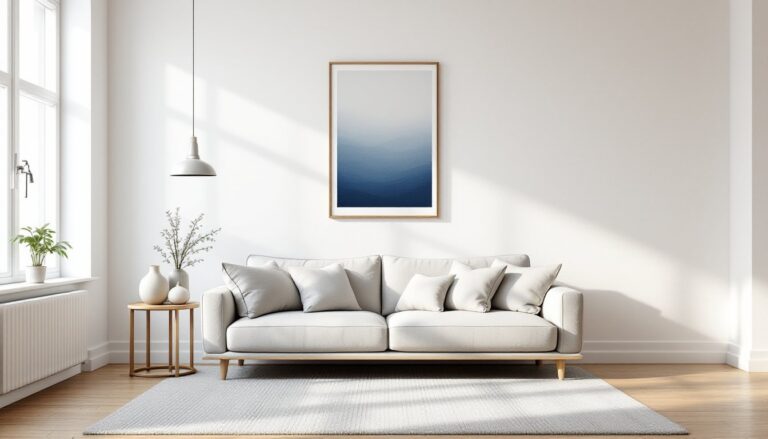
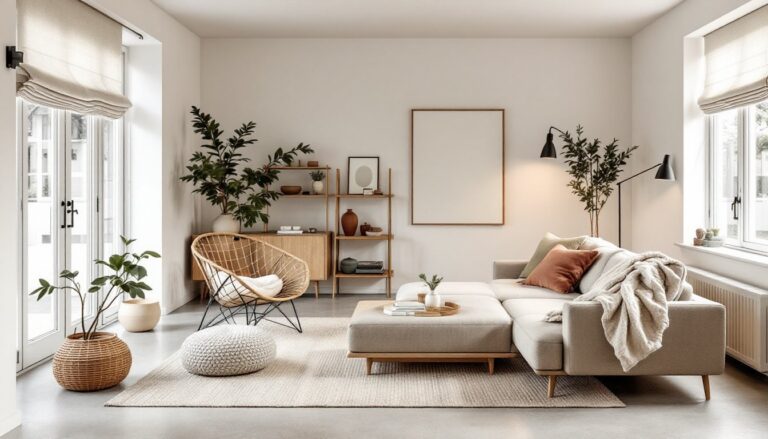
Where farmhouse differs from minimalist interior decor is in layering. Farmhouse homes layer textures, patterns, and colors: minimalism pares down to essentials. Modern farmhouse decor, by contrast, takes farmhouse warmth and pairs it with clean lines and updated functionality, think open shelving with curated dishware or a whitewashed dining table with contemporary chairs. Understanding this spectrum helps you choose pieces that feel cohesive in your own space.
Essential Color Palettes for Your Farmhouse Space
Farmhouse color schemes anchor the entire aesthetic. The traditional palette centers on whites, creams, and soft grays, the colors of aged limestone, faded barn paint, and worn plaster. These neutral bases create visual calm and let textures do the talking.
Introdu whites aren’t all the same. Warm whites (with yellow or red undertones) feel cozier than cool whites (with blue undertones). Pure whites can read sterile in farmhouse spaces: instead, reach for off-white, ivory, or linen. These soften the space while keeping it bright.
Secondary accent colors should feel muted and earthy: sage green, dusty blue, warm taupe, or terracotta. These tones appear in textiles, painted furniture, or a single accent wall. Avoid saturated, trendy colors: farmhouse thrives on timelessness. A muted green that’s been popular for 20 years beats a bright emerald that’ll feel dated in two.
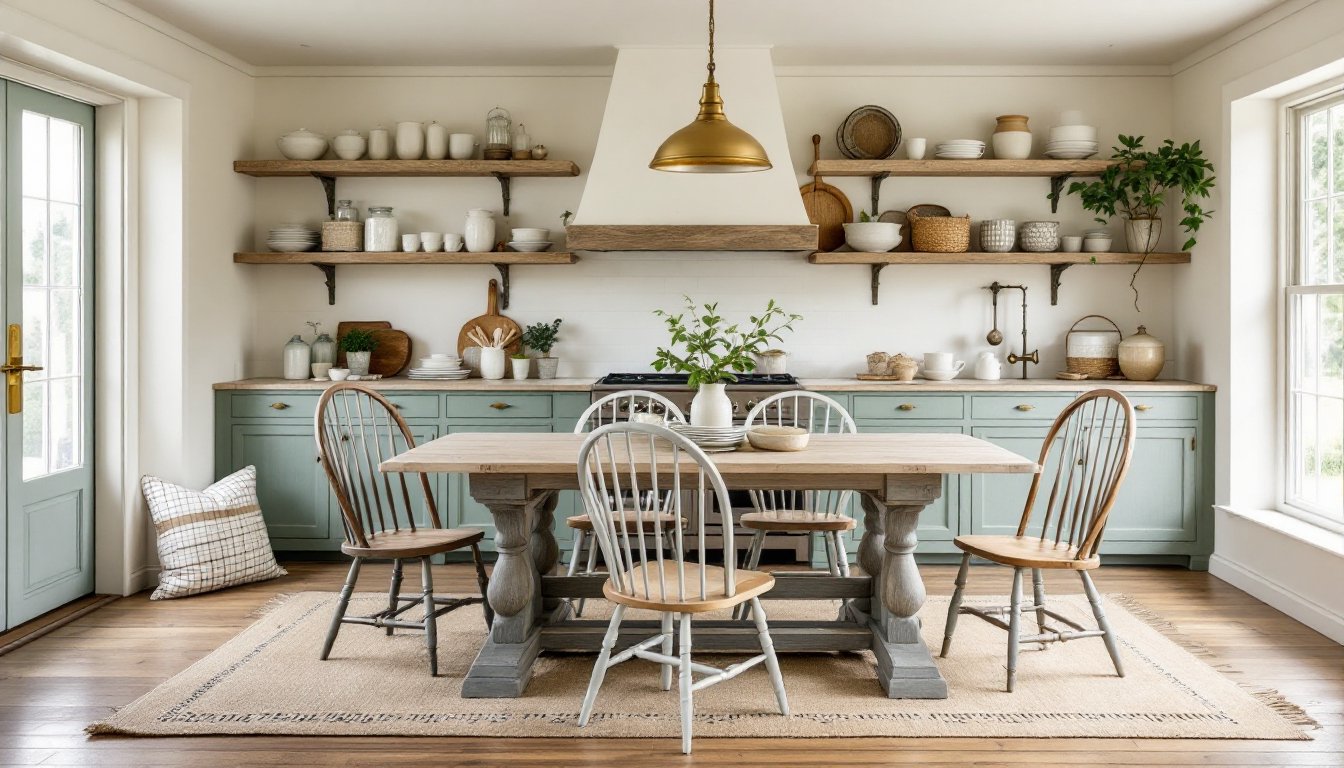
For darker tones, use them sparingly, black or deep charcoal in hardware, ironwork, or trim creates definition without dominating. Farmhouse decor house styles often layer warm and cool neutrals. A room with cream walls, gray-blue kitchen cabinets, and black hardware feels grounded and intentional. The key is restraint: limit your palette to three or four main colors, then repeat them across the room in different textures and finishes.
Must-Have Furniture and Fixtures
Farmhouse furniture prioritizes solid wood, visible joinery, and a sense of permanence. Flimsy particleboard doesn’t belong here, farmhouse pieces look built to last generations.
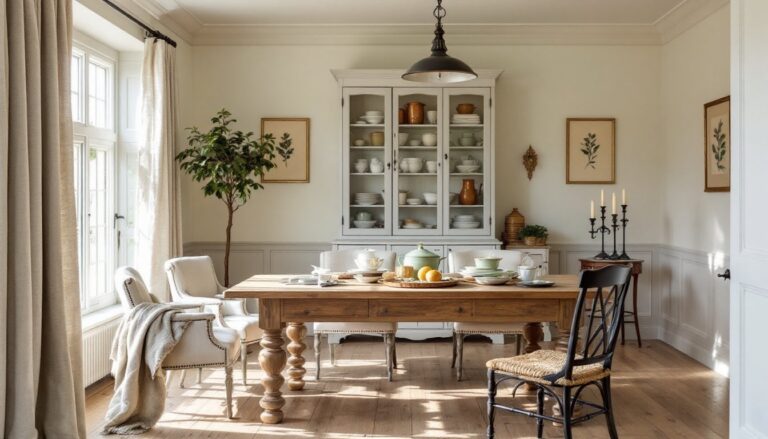
Start with a sturdy dining table. Farmhouse tables often feature pedestal bases or trestle legs (a horizontal beam structure spanning two vertical supports), unfinished or whitewashed wood tops, and substantial proportions. Pair it with mismatched chairs, some upholstered, some wood, all with turned legs or spindle backs. This mix feels collected, not coordinated.
Bedrooms call for substantial beds: wrought-iron frames, wooden platform beds with visible joinery, or metal headboards with scrollwork. Nightstands should be wooden, ideally with drawers and a lower shelf for layering baskets. Dressers benefit from vintage hardware, cup pulls, bin pulls, or ring handles in aged brass or black iron.
Kitchens are farmhouse’s home turf. Open shelving displaying white dishware, glass jars, and cookbooks creates visual interest. If you’re installing shelves, use 1×12 lumber (nominal dimension: actual size is 11¼” × ¾”), this substantial size feels farmhouse rather than dainty. Pair it with black steel brackets or wrought-iron supports. Cabinet hardware matters: cup pulls, leather-wrapped handles, or bin pulls in oil-rubbed bronze or antiqued brass reinforce the vintage aesthetic.
Bathrooms often get overlooked but offer opportunities. A pedestal sink with vintage-style faucet, open shelving for rolled towels, and a frameless mirror or wood-framed mirror creates authentic charm without major plumbing work.
Accent Pieces and Textiles That Bring Warmth
Farmhouse spaces need layering, textiles, wall art, and small objects that tell a story.
Textiles anchor comfort. Linen and cotton upholstery age beautifully and feel lived-in. Throw pillows in ticking stripes, gingham, or solid linen add softness without clutter. Area rugs should be natural fiber: jute, sisal, or wool in cream, gray, or muted earth tones. Rug size matters, a 5×8 under a living room seating area anchors the space: smaller runners work in hallways or kitchens.
Wall art should feel personal rather than decorative. Framed botanical prints, vintage farming tools hung as sculpture, or a gallery wall mixing family photos with vintage signs create character. Farmhouses don’t display pristine museum pieces: they display things with patina and meaning.
Vintage and reclaimed accents drive the aesthetic. Look for: enamelware (chipped and faded is authentic), vintage metal scales, old wooden grain scoops, wrought-iron trivets, or reclaimed wood frames. These pieces often come from antique shops, estate sales, or online marketplaces where regional styles and authentic period pieces are documented.
Lighting fixtures set the mood. Pendant lights with oil-rubbed bronze or aged brass finishes, bell jars, or schoolhouse fixtures (a domed shade on a simple brass fixture) feel period-appropriate. Avoid sleek, modern fixtures, aim for visible hardware and a sense of age.
Basketry serves dual purpose: storage and texture. Woven baskets, wicker, seagrass, woven willow, tuck under tables, stack on shelves, or hold blankets by the sofa. Choose natural finishes: bleached or dyed baskets read too design-y.
DIY Projects to Add Authentic Charm
Farmhouse transformation doesn’t require hiring crews. Smart DIY projects deliver authentic character for reasonable effort.
Refinishing or repainting furniture is the easiest win. A dark dresser painted Benjamin Moore’s “Simply White” (or a comparable off-white) and fitted with vintage hardware transforms a room. Sand the piece smooth, prime with a quality bonding primer (one designed for glossy surfaces), and apply two coats of furniture paint (not wall paint, it’s formulated to flex with wood movement). Top with a clear matte polyurethane for durability. Most homeowners finish a dresser in a weekend.
Installing open shelving suits DIYers comfortable with a drill and level. Locate wall studs with a stud finder: mount brackets directly into studs using 3-inch lag bolts for shelves spanning more than 24 inches. Space shelves 12–16 inches apart vertically. Style with white dishware, glass storage jars, and a few decorative objects: avoid overcrowding.
Creating a shiplap accent wall requires minimal carpentry. Purchase shiplap boards (typically 1×6 or 1×8 nominal dimension), cut to length with a miter saw, and install horizontally using a nail gun and 1¼-inch finish nails. Stagger joints between rows. Prime and paint. This project runs $100–300 in materials for a 10×12 wall and takes a weekend.
Distressing wood adds farmhouse age instantly. Apply white or cream paint, let dry, then lightly sand edges and high-traffic areas to reveal the wood beneath. Focus on corners, around hardware, and anywhere a piece would naturally wear. It’s forgiving, there’s no “wrong way” to distress.
Always wear safety glasses and a dust mask when sanding, especially if the piece predates 1980 (risk of lead paint). Use gloves when handling old painted finishes. For structural concerns or anything involving electrical, gas, or load-bearing walls, hire a licensed professional, farmhouse charm isn’t worth cutting corners on safety.
Conclusion
Farmhouse decor thrives on intention, texture, and authenticity. Start with a neutral foundation of whites and creams, anchor the space with substantial wooden furniture, and layer in textiles, vintage accents, and personal objects. The most effective farmhouse homes feel gathered over time, not purchased at once.
Small DIY projects, refinishing a dresser, installing shelves, or creating a shiplap accent wall, deliver outsized visual impact and deepen your connection to the space. Explore foundational farmhouse principles in more detail or jump into timeless old farmhouse design techniques as you refine your vision. Your farmhouse home should reflect how you actually live, imperfect, comfortable, and unmistakably yours.