

Maximalist home decor is having a major moment in 2026, and it’s refreshingly different from the minimalist playbook many of us have followed for the last decade. Instead of stark walls and empty shelves, maximalism celebrates color, texture, pattern, and personality. But here’s the thing, piling everything into one room isn’t the same as intentional maximalism. The difference between a space that feels curated and adventurous versus one that looks cluttered comes down to strategy. This guide walks you through the philosophy behind maximalist decor, proven principles for making it work, and practical steps to avoid the traps that turn bold interiors into visual chaos. Whether you’re reimagining a bedroom, living room, or entire home, you’ll find actionable advice grounded in real design fundamentals.
Key Takeaways
- Maximalist home decor celebrates color, texture, and personality through intentional curation rather than random clutter, making it the antithesis of minimalism.
- The foundation of successful maximalism lies in limiting your color palette to 4–6 main colors and layering patterns that share at least one color to create visual harmony.
- Start with one room, choose a color anchor first, and incorporate neutral tones as visual rest stops to prevent your maximalist space from feeling overwhelming.
- Display curated collections and statement pieces that anchor the room and tell a story about your travels, hobbies, and authentic aesthetic preferences.
- Avoid common maximalism mistakes such as ignoring function, abandoning all neutrals, mixing too many competing focal points, and making impulse purchases that don’t fit your design narrative.
What Is Maximalism in Interior Design
Maximalism is the antithesis of restraint. It’s an interior design philosophy that embraces abundance, layers of pattern, bold color choices, eclectic furnishings, and meaningful collections displayed with confidence. Unlike minimalism’s “less is more” ethos, maximalism says “more is more” when every element serves a purpose and tells a story.
At its core, maximalist decor celebrates personality and individuality. A maximalist space reflects the people living in it: their travels, hobbies, collected treasures, and aesthetic taste. Think layered rugs, gallery walls of artwork, richly patterned wallpaper, multiple lighting sources, and furniture that makes a statement. The key distinction is intentionality, maximalism isn’t about random clutter: it’s about curated abundance. Each item earns its place because it brings joy, function, or visual interest.
Maximalism has roots in various design movements: Bohemian interiors, Art Deco’s geometric richness, and the eclectic sensibilities of global design traditions. What unites these approaches is a refusal to play it safe. In 2026, maximalism is evolving beyond the shock-value aesthetic that defined early iterations. Today’s maximalism balances abundance with sophistication, think jewel tones paired with vintage brass accents, or patterned wallpaper anchored by a neutral sofa. The farmhouse bedroom decor movement has even embraced maximalist touches, incorporating vintage quilts, gallery walls, and mixed textures that feel collected over time rather than decorating-show perfect.
Maximalism also democratizes interior design. You don’t need a six-figure budget to embrace this style. Thrift stores, vintage markets, DIY projects, and budget-conscious sourcing all work beautifully in a maximalist framework. The result is homes that feel lived-in, authentic, and rich with character.
Core Principles of Maximalist Decor
Color and Pattern Layering
Color is the backbone of maximalist design. Rather than a neutral palette with accent pops, maximalism embraces multiple colors working in harmony. The trick is understanding color relationships, complementary schemes (opposites on the color wheel), analogous schemes (neighboring colors), or jewel-tone saturation all work if they’re intentional.
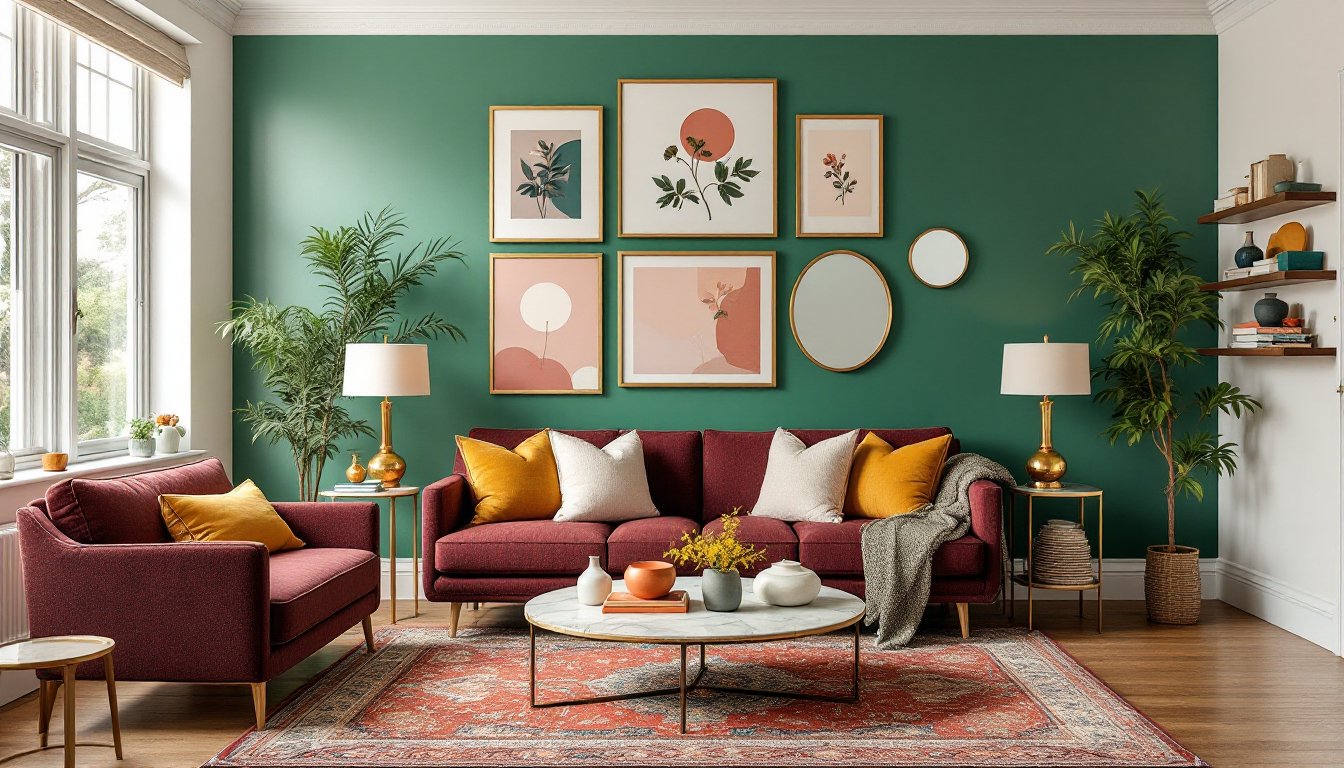
Start by choosing a dominant color that anchors the room, then layer in secondary and tertiary colors using different intensities and saturations. A deep emerald wall might pair with mustard textiles, burgundy art, and blush accents. The variety feels rich, not chaotic. Pattern layering follows the same logic: geometric, floral, striped, and solid patterns coexist when they share a color story or scale variation.
For farmhouse bedroom decor ideas that embrace maximalism, consider layering patterns through quilts, throw pillows, curtains, and wall treatments. Vintage quilt patterns, gingham checks, toile prints, and florals can all live together when the color palette remains cohesive. Use interior design ideas on a budget to source vintage textiles and repurpose family heirlooms as part of your pattern story.
The practical rule: limit your color palette to 4–6 main colors and let patterns share at least one of those colors. This creates visual harmony while maintaining the layered, abundant feel.
Curating Collections and Statement Pieces
Maximalist rooms thrive on collections and focal points. Whether it’s vintage books, art, vintage mirrors, or ceramics, displayed collections add narrative and depth. The key is grouping them intentionally, a gallery wall isn’t random but rather organized by color, frame style, or thematic connection.
Statement pieces anchor maximalist spaces. A bold-patterned sofa, an ornate vintage rug, a richly framed mirror, or wallpapered accent wall gives the room a hero element. Everything else builds around that anchor. This prevents the “everything is equally important” visual fatigue that can happen in poorly executed maximalism.
When curating, choose pieces you genuinely love rather than decorating-trend favorites. Maximalism rewards authenticity. If you’re drawn to vintage botanical prints, velvet textures, or handmade ceramics, those preferences should guide your selections. The bedroom becomes a reflection of taste and memory, making farmhouse decor bedroom ideas feel personal and warm rather than designed by algorithm.
Practical Tips for Getting Started With Maximalism
Start with one room. Don’t overwhelm yourself by maximizing your entire home at once. Pick a bedroom, entryway, or living room where you can experiment. This lets you test color combos, pattern mixing, and collection displays without commitment.
Audit what you have. Before buying anything, gather what already exists, artwork, textiles, furniture, collections. Many people have the raw materials for maximalism already scattered through closets and storage. This approach also keeps costs down and maintains authenticity.
Choose a color anchor first. Decide on your dominant color or color story before adding other elements. This single decision cascades into pattern and accent choices, making the room feel intentional rather than random. Interior design tips emphasizing fresh, timeless style recommend establishing your color direction early.
Layer textures deliberately. Velvet, linen, leather, wood, metal, ceramic, and glass all coexist in maximalist rooms. Texture variation creates visual and tactile richness. A velvet pillow on a linen sofa next to a brass side table and ceramic planter feels luxurious and collected.
Use vertical space. Maximalism loves walls. Go vertical with gallery displays, floating shelves, or wallpaper. This distributes visual weight throughout the room rather than cramming everything onto surfaces, which can feel cluttered.
Invest in good lighting. Multiple light sources, table lamps, floor lamps, sconces, pendant lights, serve both function and design. They create layers of illumination that highlight textures and colors after dark, and they’re themselves decorative elements. Vintage brass or ceramic fixtures align perfectly with maximalist aesthetics.
Common Maximalism Mistakes to Avoid
Forgetting about function. Maximalist spaces still need to work. Don’t sacrifice seating comfort, storage accessibility, or traffic flow for aesthetics alone. A room that’s beautiful but impossible to live in will exhaust you. Make sure pathways are clear, storage is organized, and furnishings serve a purpose.
Abandoning all neutrals. Many people swing too far and eliminate neutral tones entirely. Neutrals (white, cream, gray, beige, natural wood) actually act as visual rest stops in maximalist rooms. They prevent sensory overload. A neutral wall behind a patterned gallery, or a light-colored sofa anchoring colorful pillows, makes the maximalism feel intentional rather than overwhelming.
Mixing too many scales. Patterns need variation in scale, pair a large geometric print with a smaller floral and a fine stripe. But if everything is medium-scale, or if you add too many competing focal points, the room becomes visually chaotic. Think composition: establish a hierarchy.
Neglecting balance. A room with every wall papered, every surface filled, and every inch decorated feels suffocating. Balance busy areas with calmer zones. If your accent wall is bold, keep the opposite wall simple. This rhythm prevents overwhelming sensory input. Modern luxury design principles apply here: restraint enhances abundance.
Shopping without a plan. The biggest mistake is impulse-buying items that “would look good” without considering how they fit your color story or collection narrative. Before bringing anything home, ask: Does this share colors with my anchor palette? Does this fit with my aesthetic or just sound trendy? This discipline keeps maximalism curated rather than cluttered.
Ignoring scale and proportion. A massive statement piece in a small bedroom will dwarf the room: tiny accessories on oversized walls disappear. Consider room dimensions when choosing furniture, art, and collections. Properly scaled elements feel intentional: poorly scaled ones create discomfort.
Conclusion
Maximalist home decor in 2026 isn’t about decoration overkill, it’s about creating spaces filled with intention, color, and personality. By anchoring your design choices in principle (color harmony, curated collections, balanced scale), you’ll build rooms that feel abundantly joyful instead of chaotic. Start small, stay true to what you love, and let your space evolve as a genuine reflection of who you are. The result is a home that tells your story.