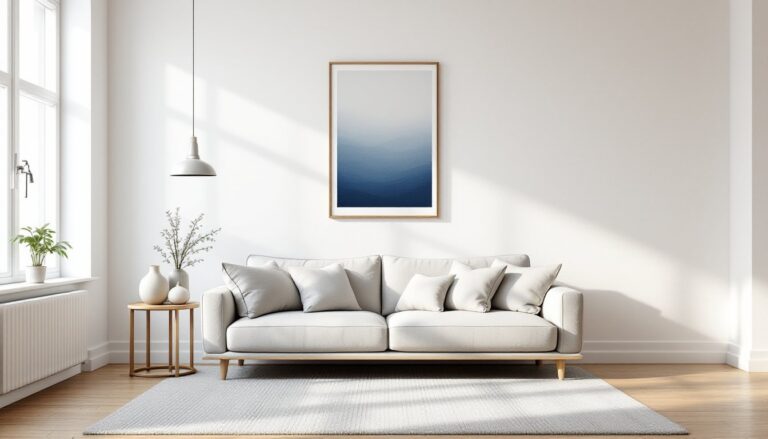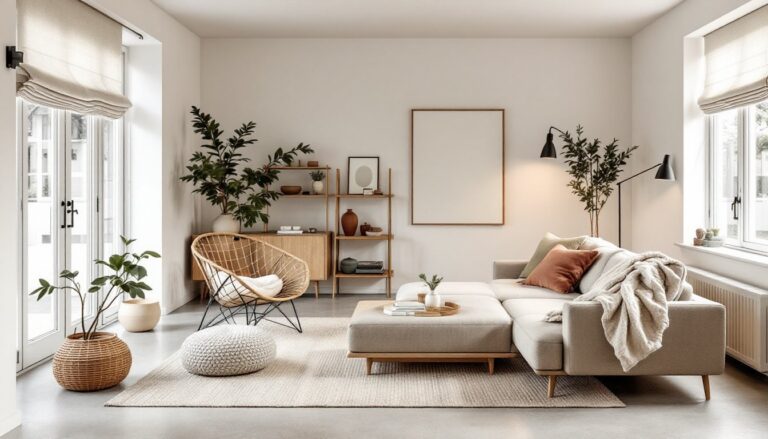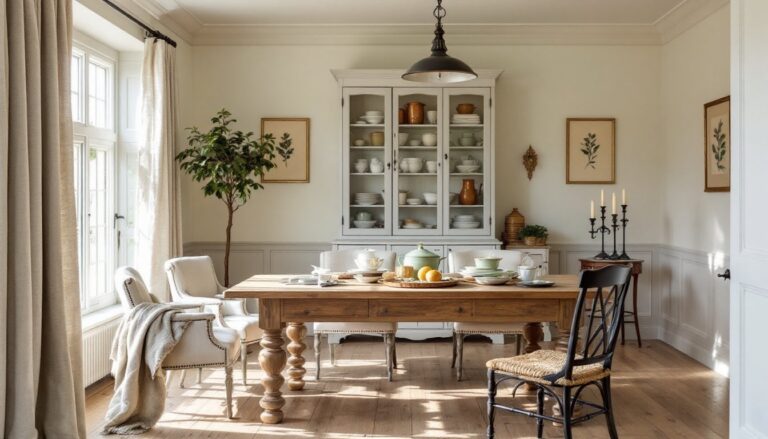


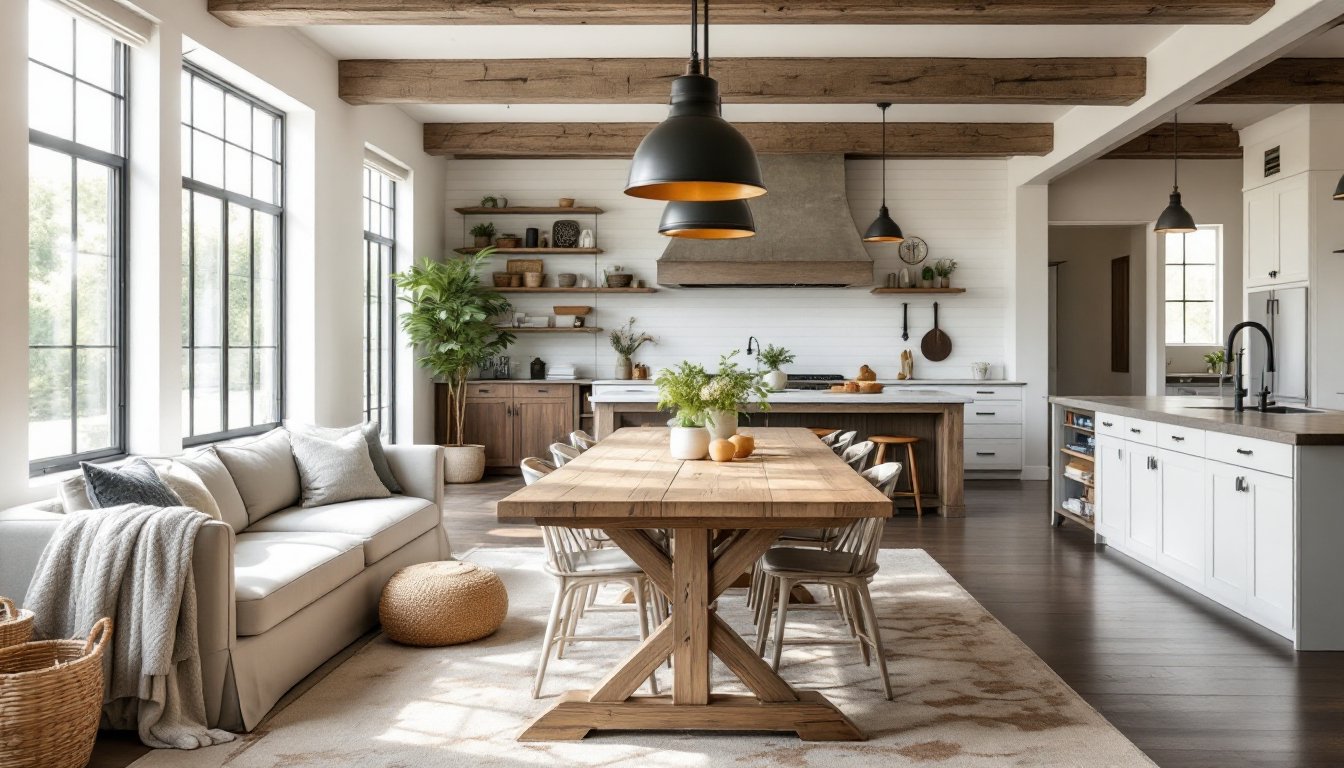
Modern farmhouse decor has become a go-to aesthetic for homeowners who want warmth without clutter, tradition without stuffiness. It strips the countryside charm down to essentials, clean lines, natural materials, neutral tones, and pairs them with contemporary furnishings and smart functionality. Unlike pure rustic styles that lean heavily into vintage wear or contemporary farm decor that can feel disconnected from character, modern farmhouse strikes a balance. Whether you’re renovating an older property or bringing this sensibility into a newer suburban home, the approach remains grounded in honest materials, purpose-driven design, and rooms that actually work for daily living. This guide walks you through the practical steps to carry out the style in your own space.
Key Takeaways
- Modern farmhouse decor balances countryside charm with contemporary functionality using clean lines, natural materials, and neutral tones that feel timeless and lived-in.
- The style prioritizes honest construction and authentic materials—reclaimed wood, shiplap, concrete, and steel—finished to age gracefully rather than appear polished or precious.
- Layering textures through linen, wool, and woven elements prevents modern farmhouse spaces from feeling stark while maintaining a cohesive, restrained color palette of whites, creams, and soft grays.
- Storage and editing are critical: open shelving only works when items are curated ruthlessly, and clutter undermines the entire aesthetic faster than any design mistake.
- Approach implementation room-by-room by exposing good bones, sourcing mismatched pieces gradually from auctions and salvage yards, and installing dimmer switches to shift between task and ambient lighting throughout the day.
- Modern farmhouse decor succeeds through substance over styling—prioritize functional spaces with honest materials, thoughtful editing, and layouts that serve daily living rather than chase Instagram-perfect moments.
Understanding Modern Farmhouse Style Essentials
Modern farmhouse decor is anchored in a philosophy, not a shopping list. At its core, it honors the simplicity of working homes, spaces designed for durability and function first, while applying contemporary sensibilities. Think reclaimed wood beams alongside drywall, antique barn doors paired with brushed nickel hardware, and heritage finishes used as accents rather than dominant themes.
The style draws from the idea that a farmhouse exists to serve its inhabitants. There’s no pretense. A worn table gets another decade of life, not replacement. A fireplace mantel holds everyday necessities alongside a single decorative piece. Contrast this with old farmhouse interior design, which often emphasizes historical accuracy and period-appropriate furnishings. Modern farmhouse and modern farm decor pull from that heritage but filter it through 2026 living standards, better insulation, proper drainage, functional lighting, and design that works with current family needs.
Understanding this distinction matters because it shapes every decision you’ll make. You’re not collecting “farmhouse” items: you’re selecting pieces and finishes that reflect honest construction and clean aesthetics.
Key Design Elements That Define the Look
Color Palettes and Materials
Modern farmhouse decor relies on a restrained color scheme. Whites, creams, soft grays, and warm blacks form the foundation. Accent colors, sage green, dusty blue, or warm terracotta, appear in textiles or smaller furniture pieces, never dominating full walls. The palette works because it feels timeless: it won’t date the space in two years.
Materials tell the real story. Shiplap, exposed beams, and reclaimed wood flooring are signatures, but they work best when left relatively unfinished or finished in ways that age gracefully. Paint shiplap in matte white or cream rather than glossy finishes, matte reads warmer and less “Instagram-perfect.” Concrete, steel, and simple glass pair naturally with wood: they add industrial weight that keeps the look from feeling precious.
For cabinetry and built-ins, five-panel doors, open shelving with visible brackets, and minimal ornamentation are typical choices. A lacquered or overly shiny finish reads too formal: aim for finishes that show patina or intentional distressing. According to modern home design fundamentals at Dwell, balancing warm and cool tones prevents the space from becoming monotonous.
Furniture and Textures
Furniture in modern farmhouse spaces emphasizes solid construction over decoration. A wooden dining table should show grain and joinery. Upholstered pieces, sofas, chairs, ottomans, typically use linen, canvas, or vintage leather in neutral tones. Avoid sleek, low-profile silhouettes in favor of pieces with visible legs, frames, and structure.
Texture is the tool that prevents the space from looking stark. Layer linen curtains, wool area rugs, chunky knit throws, and woven baskets. A contemporary farmhouse decor approach includes mixing textures, raw wood against smooth plaster, matte ceramics beside polished metal. This mixing prevents visual flatness while keeping the palette cohesive.
Lighting deserves mention here. Pendant lights with metal shades, schoolhouse fixtures, and industrial-style track lighting are common. Avoid recessed downlights exclusively: they flatten the space. Layer ambient, task, and accent lighting so the room feels intentional, not institutional.
Practical Tips for Creating Your Modern Farmhouse Home
Start with structural honesty. If your home has good bones, original plank floors, plaster walls, ceiling height, expose them. This isn’t forced nostalgia: it’s working with what already exists. Remove dropped ceilings, patch and paint plaster, sand and refinish hardwood. These projects take time, but they set the authentic foundation the style requires.
Surface prep before painting or finishing is non-negotiable. Sand walls or drywall to remove gloss, fill gaps with paintable caulk, and apply primer on first coats, especially when moving from dark to light or covering stains. Two coats of quality interior paint (not budget contractor-grade) go further on walls intended to age gracefully.
When shopping for furnishings, resist the urge to match sets. A farmhouse kitchen works better with mismatched dining chairs, different wood tones, one upholstered, than with a uniform table set. Source pieces gradually: a room assembled over time feels lived-in rather than decorated. Check local auctions, estate sales, and salvage yards before buying new.
Storage solves the farmhouse clutter problem. Open shelving looks intentional only when items are edited ruthlessly. Use baskets, vintage crates, and simple cabinetry to hide what doesn’t need display. Clutter kills the aesthetic faster than anything else.
For lighting, install dimmer switches on main living areas. Modern farmhouse spaces should shift from bright task lighting during the day to warm, softer ambient light in the evening. This flexibility makes the space feel more layered and livable.
Room-by-Room Implementation Ideas
Kitchen: Start with cabinetry, open shelving on one wall, closed storage on others. Island with butcher-block or live-edge top, seating for three to four. Backsplash in simple subway tile or shiplap. Fixtures in matte black or oil-rubbed bronze. Hardware should be minimal, simple pulls or cup handles. Counters in concrete, butcher block, or honed stone. A farmhouse kitchen functions as gathering space, so ensure clear movement between sink, stove, and prep areas.
Dining Room: A substantial wood table anchors the room. Mismatched seating (mix of wood and upholstered chairs) invites casual dining. One large statement piece, a reclaimed wood sideboard, open shelving, or simple chandelier, prevents the room from disappearing. Hardwood or large-format tile flooring works best: area rugs define the space but don’t need to match wall colors.
Living Room: Anchor with a fireplace if possible: if not, a substantial sofa becomes the focal point. Mix seating, a sofa, upholstered chair, and wood bench or simple ottoman. Textiles (throws, pillows, rugs) introduce color and warmth. Keep the television integrated into cabinetry or mounted on a simple wood panel rather than floating on a dramatic accent wall. A modern and farmhouse decor approach works in smaller spaces when you edit ruthlessly.
Bedrooms: Keep the palette tight, whites, creams, one accent color. A wood headboard (simple, not carved) or reclaimed wood wall behind the bed. Natural fiber bedding, linen sheets, chunky knit throw. Minimal nightstands in wood or a simple metal frame. Avoid gallery walls: one large piece of art or a mirror works better. Window treatments in natural linen or canvas, no heavy drapes unless privacy requires them.
Bathrooms: Simple vanities with visible legs and open shelving below. Subway tile walls, shiplap accents, or simple board-and-batten. Concrete or tile flooring. Fixtures in matte black or brushed nickel. Keep accessories to essentials, a ceramic soap dispenser, woven storage basket, simple mirror. Modern farmhouse bathrooms avoid busy wallpaper and fussy details.
Conclusion
Modern farmhouse decor succeeds because it prioritizes substance over styling. The aesthetic doesn’t require perfect Pinterest moments: it thrives on honest materials, thoughtful editing, and spaces that work for real life. Whether you’re starting fresh or refining an existing home, the approach is consistent: strip away excess, expose what’s genuine, and layer in textures and lighting that make the space feel inhabited rather than curated. Begin with one room, focus on good bones and honest materials, and let the style evolve as you source pieces that fit both your home and your daily rhythm.