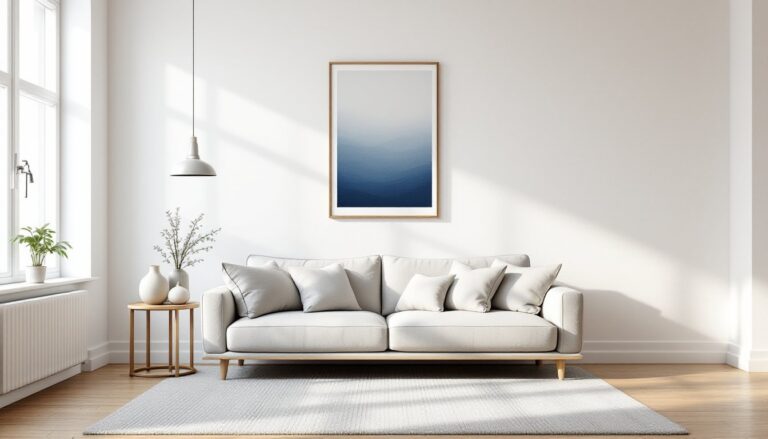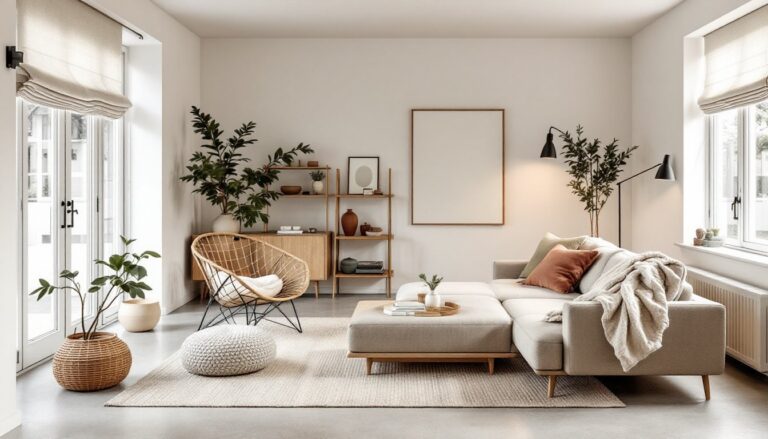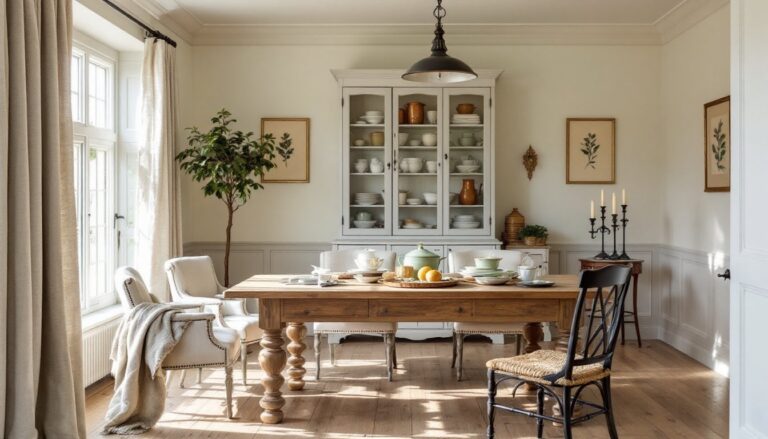


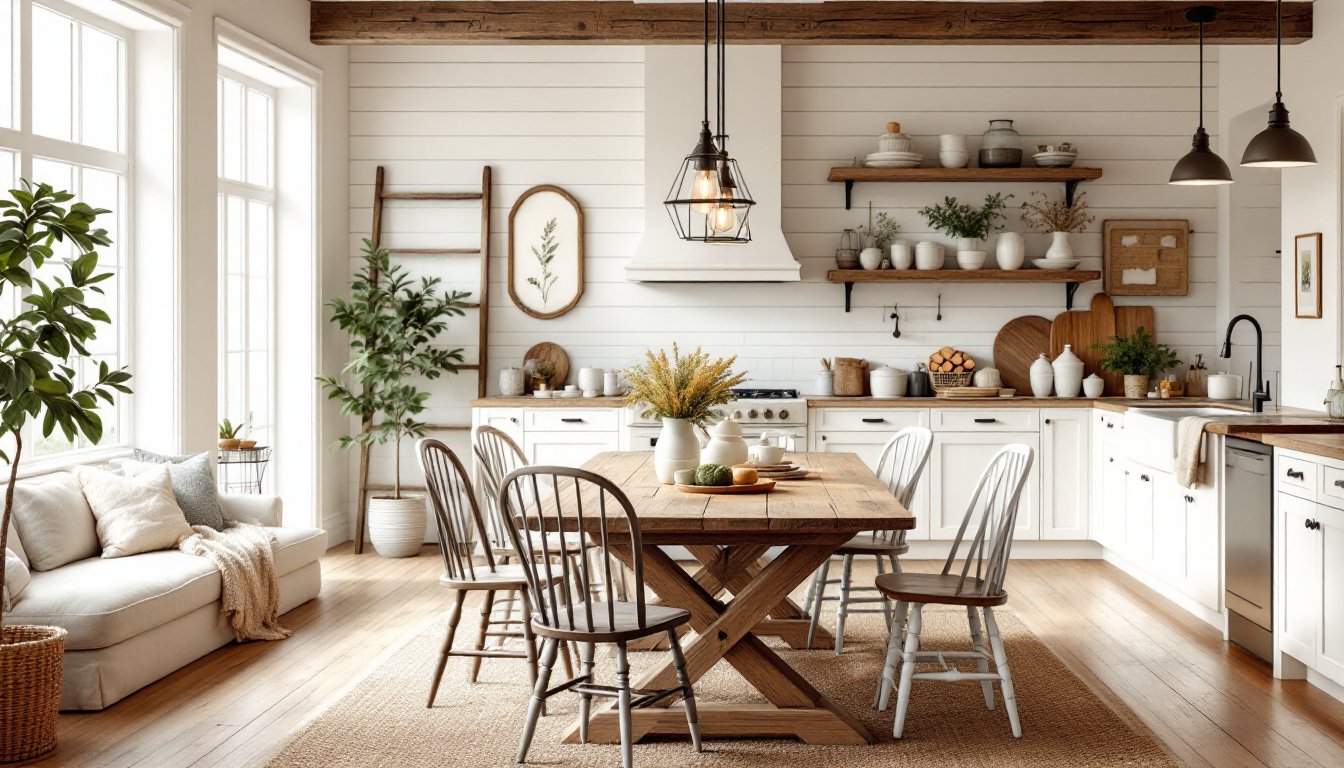
Farm style decor goes beyond just hanging vintage signs and calling it rustic. Real farmhouse design draws inspiration from working homesteads, spaces built for function, comfort, and the kind of beauty that comes from honest materials and time-worn details. Whether you’re starting fresh or refreshing a single room, understanding the core elements of farm style decor ideas will help you create an authentic space that feels lived-in, welcoming, and timeless. This guide covers the practical essentials, furniture choices, and DIY projects that’ll transform your home into a farmhouse that actually feels like home.
Key Takeaways
- Authentic farm style decor relies on natural materials like reclaimed wood, stone, and weathered finishes that develop character over time rather than purely decorative elements.
- Create a calm, cohesive farmhouse interior by using neutral colors (whites, creams, soft grays) for 60-70% of your space, then introduce farm-inspired accents like sage green and barn red through textiles and decorative pieces.
- Mix old and new furniture pieces with honest construction, visible grain, and simple lines, allowing your farmhouse design to look collected over time rather than catalog-coordinated.
- DIY farmhouse decor projects like shiplap accent walls, chalk-painted wood refinishing, and vintage mirror groupings require minimal skills and transform spaces affordably using home center materials.
- Function drives farm style decor success—from farmhouse sinks and open shelving in kitchens to layered bedding and purpose-driven rustic elements like wooden ladders for hanging throws.
- Balance open and closed storage in farmhouse kitchens and dining areas while layering textures through linen runners, jute rugs, and natural fabrics to achieve an authentic, lived-in aesthetic.
Essential Elements Of Farmhouse Decor
Natural Materials And Textures
Farmhouse interiors rely on materials that have a history and develop character over time. Reclaimed wood, rough-hewn beams, and distressed finishes aren’t just aesthetic choices, they’re anchors for the whole style. Look for flooring with genuine wear marks, or if you’re working with new materials, choose products that age gracefully. Shiplap walls have become synonymous with farm style, though the traditional treatment is less about covering every surface and more about using it strategically in smaller areas like a single accent wall or around a fireplace.
Layering textures prevents the space from feeling sterile. Mix smooth painted cabinetry with rough wood accents, smooth linens with chunky knit throws, and polished metal fixtures with weathered hardware. Natural fabrics, linen, cotton, wool, breathe and age better than synthetics in a farmhouse setting. Stone, brick, and galvanized metal also fit naturally into the palette without looking forced.
Color Palettes That Define Farm Style
Modern farmhouse interior decor leans heavily on a neutral foundation: off-whites, creams, soft grays, and warm beiges. These neutrals aren’t bland, they’re chosen for depth and undertone variation. A warm cream with yellow undertones feels different from a cool ivory, and that difference matters when you’re living in the space daily.
Accents come from natural colors found on working farms: soft sage greens, faded denim blues, and warm barn reds. Rather than painting an entire wall a bold color, introduce these through textiles, art, and decorative pieces. Whites and creams dominate approximately 60-70% of a room’s color scheme, with accent colors playing supporting roles. This restraint is what makes authentic farm home decor ideas feel calm instead of chaotic. Real farmhouses didn’t have color-coordinated schemes, they had what worked and what lasted.
Furniture Selection For Your Farmhouse Interior
Farmhouse furniture prioritizes comfort and durability over matching sets or trends. A sofa doesn’t need to be antique, it just needs simple lines, neutral upholstery, and the ability to withstand real use. Slipcovers in natural linen or cotton let you change looks seasonally without replacing the piece.
Look for solid wood pieces with honest joinery. A table built with mortise-and-tenon joints will outlast veneer, and you’ll see and feel that quality difference. Farmhouse furniture often shows its construction: simple turned legs, visible grain, waxed finishes. Upholstered pieces typically use nailed trim rather than decorative piping, a small detail that signals authenticity.
Mixing old and new works better than trying to match everything. A vintage Windsor chair beside a new farmhouse table made from reclaimed barn wood creates visual interest while maintaining cohesion. Industrial elements, metal carts, wire baskets, cast iron accents, bridge the gap between purely rustic and contemporary comfort. The goal is a room that looks like it developed over time, not one assembled all at once from a catalog. Old farmhouse interior design carries this principle through, mixing periods and styles while keeping materials and colors harmonious.
DIY Farmhouse Decor Projects You Can Start Today
Many farmhouse touches require no special skills, just materials from home centers or salvage yards.
Shiplap accent wall: If you’re using pre-finished shiplap boards (nominal 1×6 or 1×8 pine), measure your wall carefully and plan for a 16-inch stud spacing behind drywall. Use a stud finder to locate framing, then nail or screw through the shiplap into studs. Budget 20-30 minutes per wall for a beginner, this is one of the more forgiving projects.
Refinishing wood surfaces: A coat of chalk paint (Sherwin-Williams Chalked Paint or similar) transforms dark wooden pieces into farmhouse staples. Two thin coats cover better than one thick coat. Let dry per manufacturer specs (usually 4-6 hours), then lightly sand the surface with 150-grit sandpaper to reveal wood grain and create an aged look. Finish with wax or matte polyurethane for durability.
Hanging vintage mirrors and frames: Group 3-5 pieces in odd numbers on a wall for visual interest. Use a picture rail system or hang directly into studs for heavier pieces. Mismatched frames with distressed finishes look more authentic than a coordinated set.
Sourcing decorative elements: Thrift stores, estate sales, and online marketplaces (not just antique malls) offer affordable vintage hardware, scales, grain sacks, and enamelware. Choose pieces based on function first, a vintage galvanized bucket that actually holds firewood or plants looks better than a purely decorative piece.
Styling Your Kitchen And Dining Area With Farm Flair
Kitchens are where farm style shines because the aesthetic matches the function. Open shelving displays everyday ceramics, glassware, and cookbooks in a way that feels natural rather than staged.
Cabinets benefit from simple hardware, cup pulls, bin pulls, or cast iron handles in matte black or oil-rubbed bronze. Face-frame cabinetry with 5-piece cabinet doors (a flat center panel with raised or recessed edges) reads more farmhouse than flat-panel contemporary styles. Paint cabinets in soft whites or creams: if you’re staining, choose honey or golden tones that warm the space.
Countertops work best in light colors: white subway tile, light butcher block, or pale granite. A farmhouse sink, usually an undermount style in porcelain or cast iron with a high-arc faucet, becomes a focal point. The sink’s generosity and durability align with farmhouse values.
Dining areas anchor the farmhouse home. A large wooden table in reclaimed barn wood or new wood with a distressed finish becomes the gathering spot. Mismatched chairs (painted, upholstered, or raw wood) arranged around the table reinforce the collected-over-time look. Pendant lights in mason jar style, Edison bulbs, or metal cages hang overhead without pretension. Layering textures, a linen runner on the table, a jute rug anchoring the space, grounds the room. Research from Southern Living emphasizes that authentic farmhouse kitchens balance open shelving with closed storage, preventing visual clutter while keeping frequently used items accessible.
Bringing Farmhouse Touches To Your Bedroom And Living Spaces
Bedrooms benefit from a stripped-down palette. Layered bedding in whites, creams, and soft linens creates comfort without fussiness, think cotton sheets, linen duvet, and chunky knit throws. An iron bed frame or simple wood headboard grounds the room. Nightstands don’t need to match: a painted wood table and a vintage metal locker create visual interest.
Living spaces should feel livable. A mix of seating, a sofa, an upholstered armchair, a wooden bench, accommodates family and guests without demanding perfection. Throws and pillows in natural fabrics add layers. Artwork leans toward simple subjects: botanical prints, vintage farm signage, or black-and-white photography in simple frames. Studying small modern interior design principles shows that even compact living rooms feel larger when clutter is minimized and materials are light, both align with farmhouse values.
Lighting matters. Table lamps with simple bases, ceramic, wood, or metal, provide warmth. Avoid busy or ornate fixtures: clear glass pendants or simple wrought iron work better. Incorporate what’s called “ambient” lighting (general room light) alongside task lighting for reading or cooking. Candles in glass holders add farmhouse charm and soft illumination without electricity.
Farmhouse decor rustic elements integrate best when they serve a purpose. A wooden ladder leaning against a wall to hang throws or quilts looks collected rather than contrived. Vintage crates or trunks provide storage and visual texture. Wire baskets hold blankets or firewood. These items function first, decorate second.