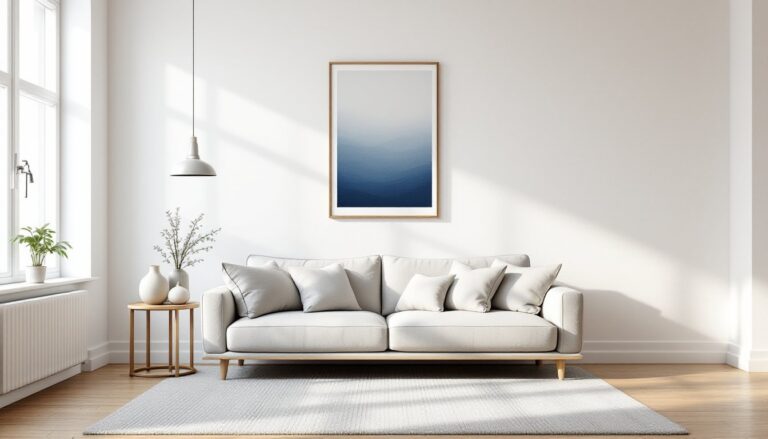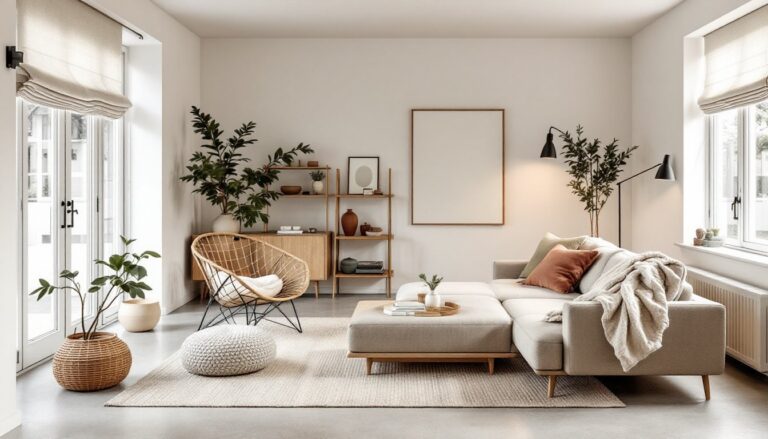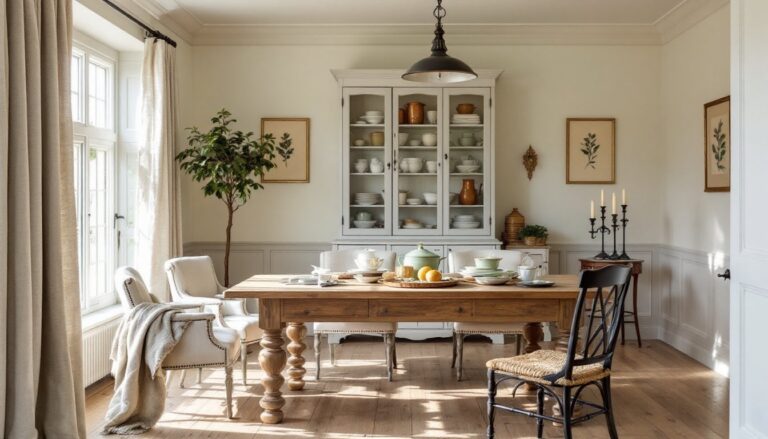


Modern farmhouse interior design has become a go-to aesthetic for homeowners who want warmth without fussiness. Unlike the heavily distressed farmhouse looks of years past, today’s modern farmhouse style strips away the kitsch and layers in clean lines, neutral palettes, and smart functionality. It’s the practical neighbor’s approach to design, honest, unpretentious, and built to live in. Whether you’re starting from scratch or refreshing a single room, modern farmhouse decor offers a blueprint for creating spaces that feel both timeless and current. This guide walks you through the core principles and actionable projects that bring the look home.
Key Takeaways
- Modern farmhouse interior design combines rustic materials and clean lines with neutral palettes and contemporary restraint, avoiding clutter and kitsch.
- The core color palette relies on off-whites, creams, warm grays, and soft greiges with dark accents, while personality shines through authentic textures like reclaimed wood, matte metals, and natural fibers.
- Furniture and layouts in modern farmhouse spaces prioritize function and flow—substantial but unadorned pieces, open-plan designs, and built-in storage that doesn’t overwhelm the room.
- Decorative accents should be intentional and multi-functional; every element from pendant lights to baskets must earn its place without creating visual clutter.
- Achievable DIY projects like installing shiplap, replacing hardware, building coffee tables, and updating lighting allow homeowners to transform spaces without professional help.
Defining Modern Farmhouse Style: The Perfect Blend of Rustic and Contemporary
Modern farmhouse combines the bones of traditional rural design, exposed wood, natural materials, simple forms, with contemporary restraint. It’s not about weathered-to-death finishes or heavy ornamentation. Instead, think clean-lined furniture, open layouts, and a “less is more” philosophy that lets quality materials speak for themselves.
What sets it apart from pure farmhouse is the absence of clutter and thematic overkill. You won’t find walls plastered with barn signs or every surface asking for a selfie. Instead, the style emphasizes function, honest construction, and a neutral backdrop that’s easy to live with long-term.
The aesthetic draws equally from rural heritage and modern minimalism. A reclaimed wood beam gets the same respect as a sleek black metal light fixture hanging below it. Shiplap appears, but paired with smooth drywall and contemporary furnishings. Textures matter more than patterns. An understated palette of whites, creams, warm grays, and soft beiges allows natural wood tones and woven accents to become the real stars. Related approaches like old farmhouse interior design showcase deeper historical roots, while modern farmhouse strips those traditions down to their essential appeal: durability, beauty, and comfort without pretense.
Essential Color Palettes and Materials for Modern Farmhouse Interiors
Neutral Tones and Natural Textures
The color palette is deliberately restrained. Off-whites, creams, warm grays, soft greiges (that gray-beige hybrid), and pale taupe dominate walls and large furniture pieces. Dark accents, charcoal, black, or deep bronze, ground the look and prevent it from feeling sterile.
Materials are where personality shines. Reclaimed or lightly stained wood appears in floors, shelving, beams, and statement tables. Matte or brushed metals (black iron, bronze, brushed brass) replace anything shiny or overly polished. Stone, subway tile, and engineered quartz counters provide durability and visual interest without flash.
Textural layering keeps neutral rooms from looking flat. Jute rugs anchor seating areas. Linen curtains filter light softly. Wool or boucle pillows add depth to simple sofas. Woven baskets in natural fibers sit beside smooth concrete floors. Rattan chairs pair with leather or upholstered pieces. Each texture should feel authentic, no plastic “faux” materials that pretend to be something they’re not. When exploring options, modern minimalist interior design shares a similar restraint in color but fewer textures, while modern farmhouse embraces variety within a tight palette.
Furniture and Layout: Creating Functional, Inviting Spaces
Furniture in modern farmhouse homes is substantial but unadorned. A slipcovered sofa in cream linen, a solid wood dining table with tapered legs, simple nightstands with minimal hardware, these pieces anchor rooms without drawing unnecessary attention.
Layouts prioritize ease of movement and conversation. Open-plan kitchens flowing into living areas are common, with a large central island doubling as prep space and casual dining. A statement dining table seats the whole family. Seating clusters face a focal point, a fireplace, a built-in shelving unit, or a television mounted cleanly on the wall.
Storage is built-in or honest-looking: open wooden shelves, cabinetry with simple shaker-style doors, woven baskets sliding under tables. Every piece pulls its weight. Oversized statement furniture works, but overcrowding kills the style’s breathing room. Sightlines matter, you should be able to move through a room without navigating an obstacle course. The small modern house interior design approach applies here: multifunctional pieces, vertical storage, and layouts that respect flow.
Decorative Accents and Accessories That Define the Look
Accessories anchor the modern farmhouse aesthetic without clutter. Black or brass pendant lights hang over islands and tables. Sconces flank bathroom mirrors. Floor lamps with matte black frames and linen shades cast warm light.
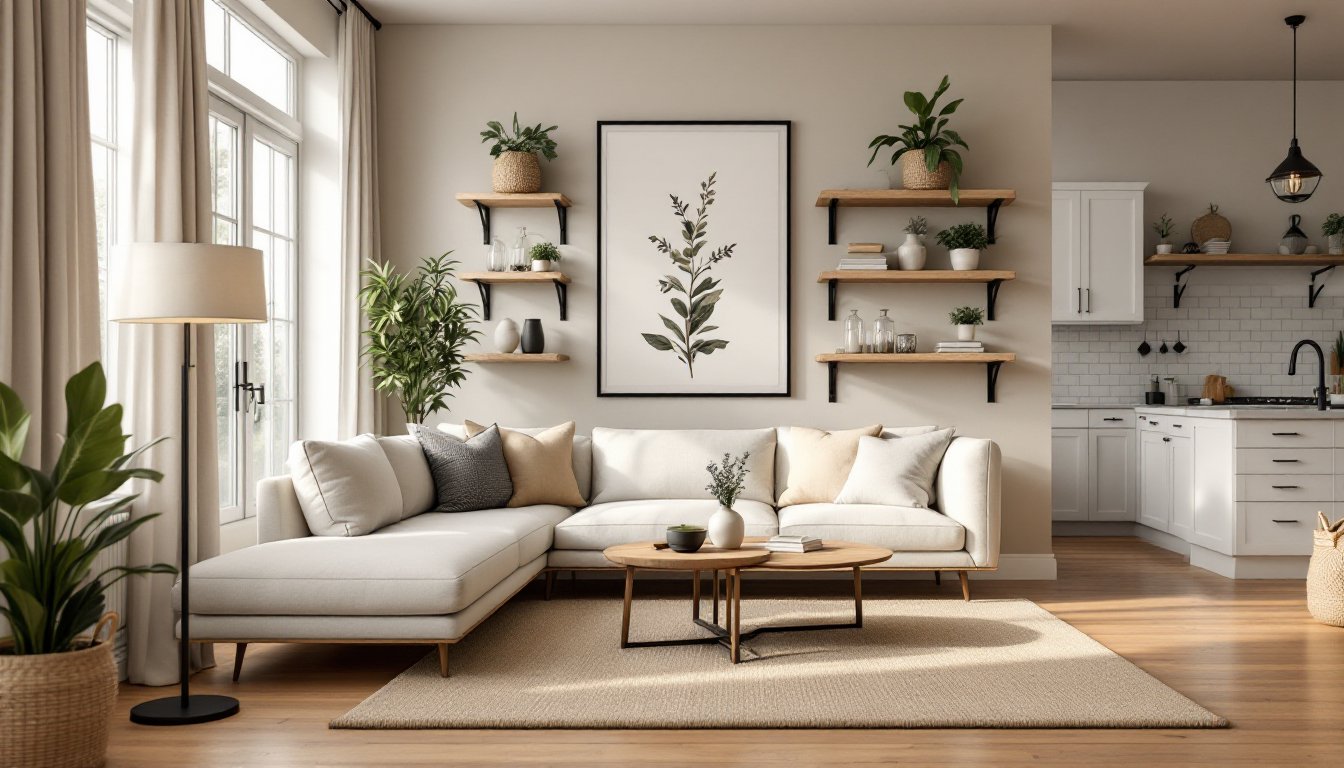
Wall decor stays restrained: simple black frames holding botanical prints, landscape photography, or abstract art in muted tones. Avoid gallery walls that feel busy or overstyled. A single large piece often reads better than three small ones competing for attention.
Woven baskets sit on shelves or nestle beside sofas, holding throws, magazines, or seasonal storage. Neutral or subtle striped textiles drape over furniture or fold neatly on shelves. Greenery, potted herbs on kitchen shelves, trailing plants in corners, fresh flowers in simple glass vases, brings life without fussiness. Functional items become decor: cutting boards leaning against kitchen walls, open shelving displaying glassware, stacked books with neutral spines. According to modern farmhouse decor ideas, the key is mixing functional and beautiful so nothing feels purely decorative, everything earns its place.
Bringing Modern Farmhouse to Key Rooms: Kitchen, Living, and Bedroom Ideas
Kitchen: Shaker or slab-front cabinets in white, greige, or light wood set the tone. A subway tile backsplash is classic: quartz or stone counters handle real cooking. An apron-front or undermount sink fits the honest-materials philosophy. Open wooden shelves display glassware and cookbooks. Matte black or brushed brass hardware replaces anything polished. Barn-style or industrial pendants hang over an island. Bar stools in wood and metal keep sightlines clear.
Living Room: A neutral sofa anchors the space, linen, performance fabric, or leather all work depending on lifestyle. A reclaimed-wood coffee table or a simple plywood base with tapered legs sits in front. A low-pile wool or jute rug defines the seating area. Woven baskets store blankets and remotes. Black metal floor lamps flank the sofa. Linen or cotton curtains hang straight without heavy detail. A fireplace with a clean-lined surround becomes the focal point, or open shelving styled with books, pottery, and greenery draws the eye upward.
Bedroom: A wood or upholstered headboard, nothing ornate, anchors the bed. Linens in white or soft naturals layer with a chunky knit throw for texture. Wooden nightstands keep the look grounded: a simple dresser with minimal hardware provides storage. A pendant or sconce provides reading light. A small accent chair or bench at the foot of the bed adds function and style. Keep wall art minimal, one piece above the bed or on a side wall. Subtle patterns like stripes or checks appear in pillows or a runner rug but don’t dominate.
DIY Modern Farmhouse Projects You Can Start This Weekend
Modern farmhouse doesn’t require hiring professionals for every update. Several projects fall comfortably into the DIY realm.
Install Shiplap-Style Wall Panels: Pre-made shiplap or MDF strips from a home center create a feature wall without structural work. Paint them matte white or greige. Measure carefully, use a level, and secure with finish nails or adhesive rated for your wall type. Drywall anchors work for studs you can’t locate, though hitting studs is stronger. Figure 4–6 hours for a 10×12 wall.
Replace Cabinet Hardware: Swap out existing handles and knobs for matte black, brushed brass, or bronze options. It’s a quick refresh, measure hole spacing carefully so new hardware aligns with existing holes. Most pieces come in standard sizes (2.5″ to 3.5″ center-to-center). Cost runs $10–$40 per piece depending on finish.
Build a Farmhouse Coffee Table: Cut pine boards to size (nominal 2×12 stock is actual 1.5″ × 11.25″), sand smooth, stain a warm walnut or leave natural, and assemble with pocket holes using a Kreg Jig. Add simple tapered legs from a home improvement store. A miter saw gives cleaner crosscuts than a circular saw for this project. Plan 4–5 hours and budget $60–$120 in materials.
Create Open Shelving: Stain wood planks (1×10 or 1×12 pine) and bracket them with matte black metal L-brackets. Use a stud finder to locate wall framing, shelves carrying dishware or books need anchors into solid framing, not drywall alone. Each shelf should span no more than 32–36 inches unsupported to avoid sagging. Install at consistent heights using a level. Ana White for free plans and step-by-step walkthroughs.
Update Lighting: Swap dated fixtures for barn-style pendants or black metal track lighting. If replacing a fixture, turn off power at the breaker and test with a voltage tester before disconnecting anything. Most residential circuits are 120V: check that your new fixture’s wattage doesn’t exceed the circuit’s rating (typically 600–1500W per circuit depending on load). If you’re unsure, hire a licensed electrician, this isn’t a place to guess.
Paint an Accent Piece or Interior Door: A coat of satin-finish paint in white, soft gray, or muted sage transforms a plain door or island base. Use quality primer, two coats if the surface is dark, and allow full cure time (48–72 hours) before heavy use. Wear a respirator and ensure adequate ventilation.
Style Woven Baskets: Baskets under a console table, beside a sofa, or in a bathroom alcove provide visible storage that looks intentional. Fold throws neatly, store blankets standing upright, or tuck away seasonal items. The farmhouse interior design aesthetic embraces smart storage as decor.