

Minimalist interior decor isn’t about living in an empty box. It’s about being intentional with every object you bring into your home, keeping what serves you and removing what clutters your space and mind. In 2026, more homeowners are trading overcrowded rooms for calm, purposeful environments that reduce visual noise and daily stress. Whether you’re overwhelmed by stuff or simply want a cleaner aesthetic, minimalist interior design offers a practical blueprint. This guide walks you through the core principles, real-world applications, and common pitfalls so you can build a space that feels both serene and genuinely livable.
Key Takeaways
- Minimalist interior decor is about intentional curation—keeping only items that serve a purpose or bring joy while eliminating visual clutter and stress.
- Quality over quantity, form follows function, and visual clarity are the three core principles that define minimalist interior design and create calm, serene spaces.
- Minimalist spaces use limited color palettes (2–3 main colors plus neutrals), clean-lined furniture with storage solutions, and layered lighting to reduce cognitive load and anxiety.
- Successful decluttering requires honest sorting into keep, donate, and discard categories, followed by organizing systems like vertical storage, clear containers, and a one-in, one-out rule.
- Common minimalist mistakes include over-decorating with statement pieces, ignoring functionality, mistaking the style for coldness, and storing clutter rather than actually owning less.
- Balancing minimalist interior design with natural textures, warm neutrals, and meaningful art prevents sterility while maintaining the psychological benefits of reduced stress and improved focus.
What Is Minimalist Interior Design?
Minimalist interior decor centers on the philosophy that less truly is more. It’s about curating your environment intentionally, keeping only items that add function or genuine joy while eliminating excess. This doesn’t mean sterile or cold, it means every piece has a purpose.
Core Principles of Minimalism
Three core principles anchor minimalist design:
Quality over quantity. A single well-made chair beats five cheap ones. Invest in pieces built to last, constructed from solid materials like solid wood, natural fibers, and quality hardware. This principle extends beyond furniture to decor, textiles, and accessories.
Form follows function. Each item must earn its place. If a decorative object doesn’t make you happy or serve a practical purpose, it goes. This ties directly to Bauhaus thinking, Bauhaus interior design strips away ornament in favor of honest, purposeful shapes.
Visual clarity. Minimalist spaces use limited color palettes, open floor plans, and organized storage to create calm. Surfaces stay clear, walls often feature soft neutrals, and every shelf has breathing room. The goal is reducing cognitive load, your brain isn’t competing with visual clutter.
Why Minimalism Matters Today
In 2026, minimalism resonates because modern life is already overwhelming. Digital notifications, endless choices, social media feeds, our minds are saturated. A minimalist home becomes a refuge. Psychologically, cluttered spaces increase anxiety and reduce focus. Removing unnecessary objects literally lightens your mental load.
Minimalism also connects to sustainability. Buying less, choosing durable goods, and avoiding fast furniture means less waste in landfills. It’s a quieter approach to intentional living that benefits both your wallet and the planet.
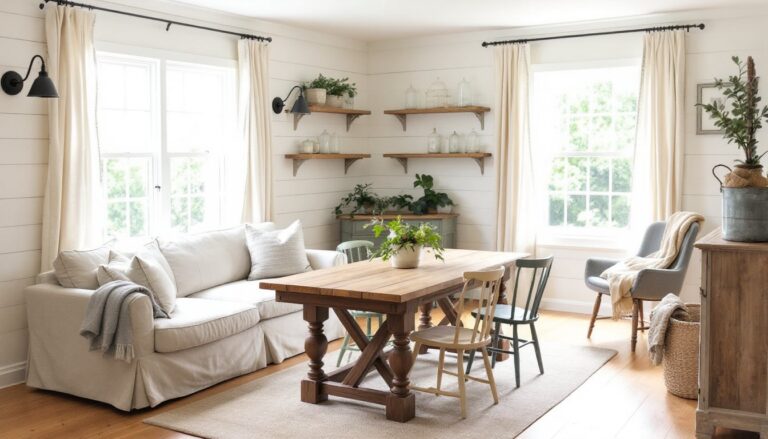
Designers and homeowners increasingly blend minimalist principles with warmth. Modern minimalist design combines clean lines with natural textures, exposed wood, linen, stone, that prevent spaces from feeling cold. Modern farmhouse decor, too, borrows minimalist restraint: fewer patterns, neutral backdrops, and a focus on authentic materials that age well.
Essential Elements: Color, Furniture, and Lighting
Three anchors define a minimalist space: color, furniture selection, and light.
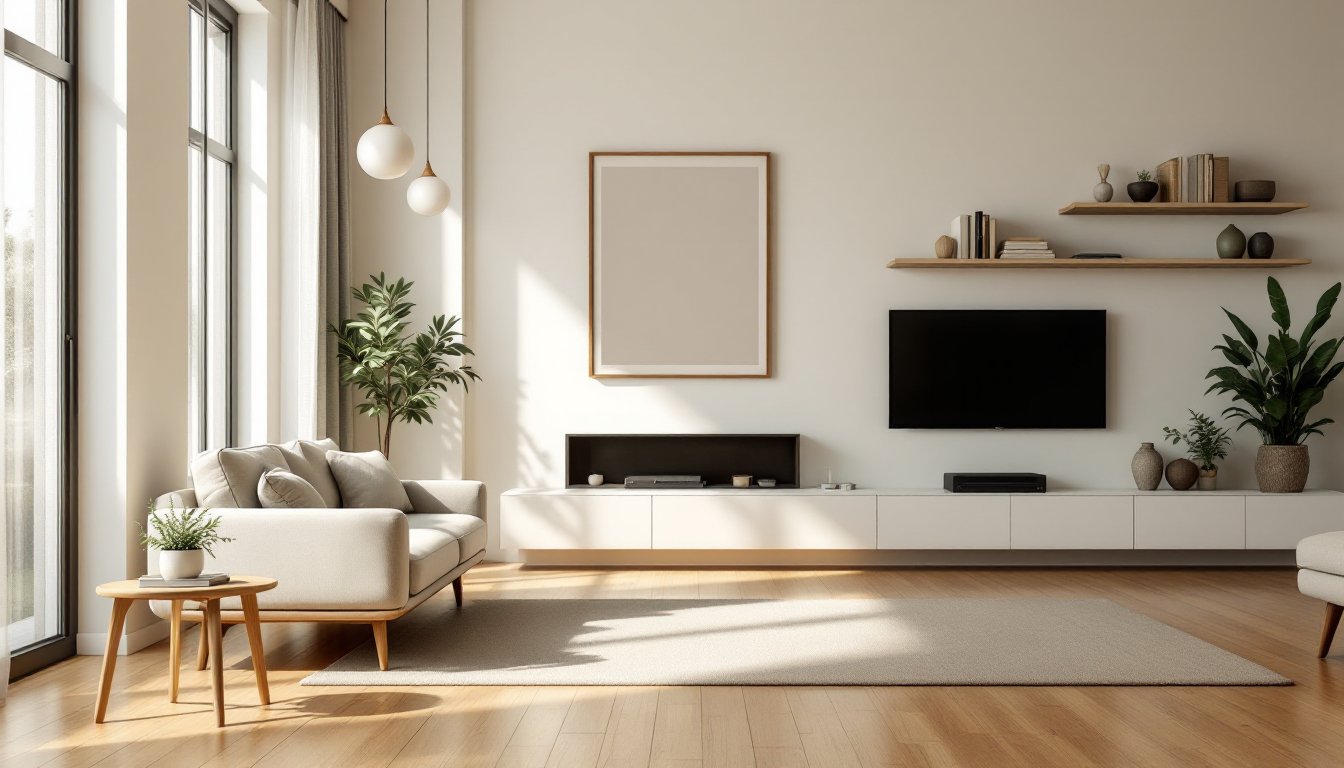
Color strategy. Stick to a limited palette, typically 2–3 main colors plus neutrals. Off-white, soft grays, and warm beiges dominate minimalist interiors. These backgrounds let furniture and architectural details shine without visual competition. Accent colors (a deep navy, sage green, or warm terracotta) appear sparingly, on a single accent wall, in textiles, or through plants. Monochromatic interior design takes this further, layering tints and shades of one color for sophistication without pattern noise.
Furniture essentials. Choose pieces with clean lines and minimal ornamentation. A mid-century modern sofa with tapered legs beats a heavily skirted sectional. Tables should be simple, solid tops, open legs, so they don’t visually anchor the floor. Storage is critical: built-in shelving, low-profile dressers, or vertical systems keep belongings organized and out of sight. Minimalist interior design succeeds when furniture doubles as storage.
Lighting. Use both natural and artificial light strategically. Maximize windows, use sheer curtains to diffuse harsh rays, and choose light fixtures with unadorned forms, track lighting, pendant lights with simple shades, or recessed downlights. Layered lighting (ambient, task, accent) lets you control mood without clutter. Avoid heavy chandeliers or busy lampshades.
Decluttering and Organizing Your Space
Decluttering is the hardest part, but also the most rewarding. Start small: a single drawer, shelf, or closet. Sort items into three categories: keep, donate, and discard.
The keep list includes daily-use items (kitchen tools, bedding), things that bring joy (a favorite mug, a beloved book), and functional pieces (coat racks, luggage). Be honest. If you haven’t used something in a year and it doesn’t spark joy, let it go.
Organizing systems. Once you’ve pared down, systems keep clutter from creeping back. Use these strategies:
- Vertical storage (floor-to-ceiling shelving) maximizes square footage.
- Clear containers (glass, acrylic) hold items while keeping them visible and contained.
- Label everything, it sounds pedantic, but it prevents dumping and makes re-homing items faster.
- One-in, one-out rule: when you buy something new, something old leaves.
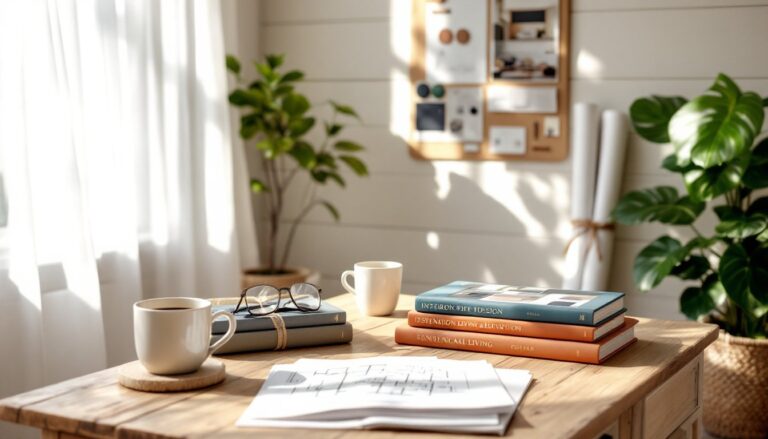
Paper and digital overflow. Minimize paper, go digital for bills, receipts, and mail. Shred old documents. Create a small filing system for essentials only. This principle extends to books, magazines, and media: ask if each item deserves shelf space or if it’s just taking up real estate.
Room-by-Room Application: Kitchens, Bedrooms, and Living Areas
Kitchens. Hide appliances and small gadgets behind cabinet doors or in a dedicated appliance garage. Counter space should be nearly empty, just a bowl of fruit, a knife block, and a coffee maker if you use it daily. Open shelving can work if you display beautiful dishware or glassware, but avoid the Pinterest trap of overcrowding shelves with decorative items. Use drawer dividers for utensils and organize the pantry with matching containers. Small modern house interior design strategies apply here: every inch earns its keep.
Bedrooms. A minimalist bedroom is simple: bed, nightstand, dresser, maybe a chair. Choose neutral bedding in natural fibers, cotton, linen, wool. Store off-season clothing elsewhere. Nightstands should hold only a lamp, an alarm clock (or use your phone), and a book or two. Walls stay bare or feature one piece of art. This restraint actually improves sleep quality: your brain relaxes in an uncluttered environment.
Living areas. This is where minimalist interior design meets livability. You need seating, a place for media or conversation, and perhaps a console table. Skip throw pillows unless they’re essential for comfort (aim for 2–3 max). Area rugs define zones without bulk. One or two plants add life without overwhelming. Wall-mounted media systems keep electronics organized and off surfaces. Modern farmhouse decor principles fit beautifully here: authentic wood pieces, neutral textiles, and a few well-chosen decorative items create warmth without chaos.
Common Mistakes to Avoid
Over-decorating in the name of minimalism. Some people fill their space with a few statement pieces instead of truly paring down. Minimalism isn’t about having a single sculptural chair: it’s about restraint across the whole room.
Ignoring functionality. A beautiful but impractical layout doesn’t work. If you can’t reach your coffee, cook comfortably, or sit without stumbling, the space fails. Minimalism and livability must coexist.
Mistaking minimalism for coldness. Natural textures, warm neutrals, and one or two pieces of meaningful art prevent sterility. Incorporate wood grain, linen texture, stone, and plants. Traditional Japanese interior design balances minimalism with warmth through natural materials and intentional negative space.
Buying “minimalist” decor. White storage boxes and matching containers aren’t minimalism if they’re just hiding clutter. True minimalism starts with owning less, not storing it prettier.
Failing to maintain it. Minimalism requires ongoing discipline. Without systems, clutter returns. Schedule monthly five-minute purges and stick to your one-in, one-out rule.
Research on living spaces shows that minimalist design approaches reduce stress and increase satisfaction, particularly when balanced with personal warmth and functional comfort.