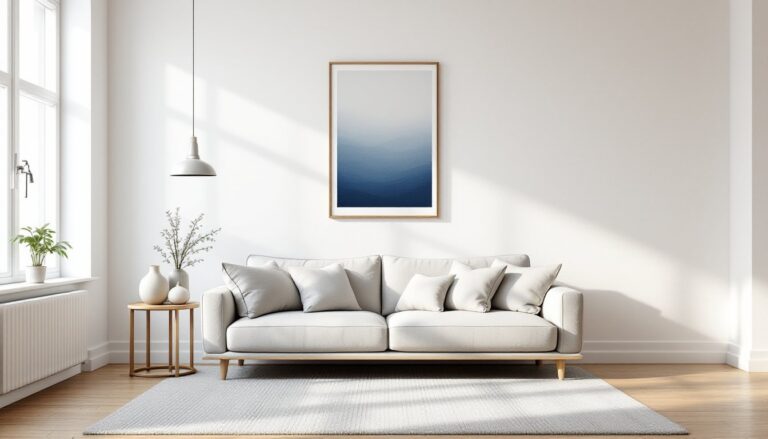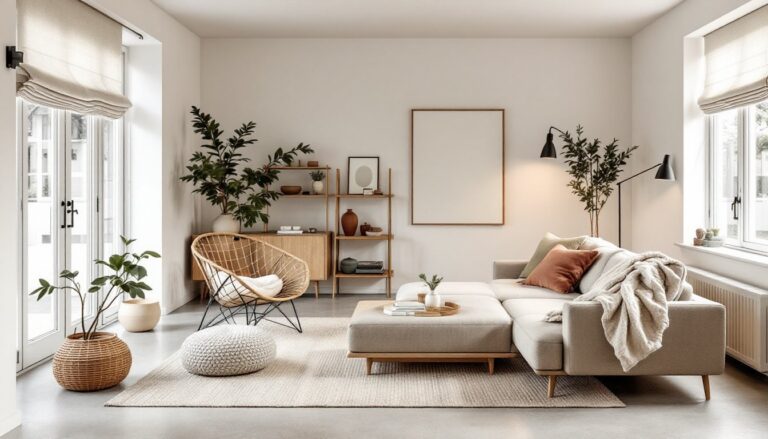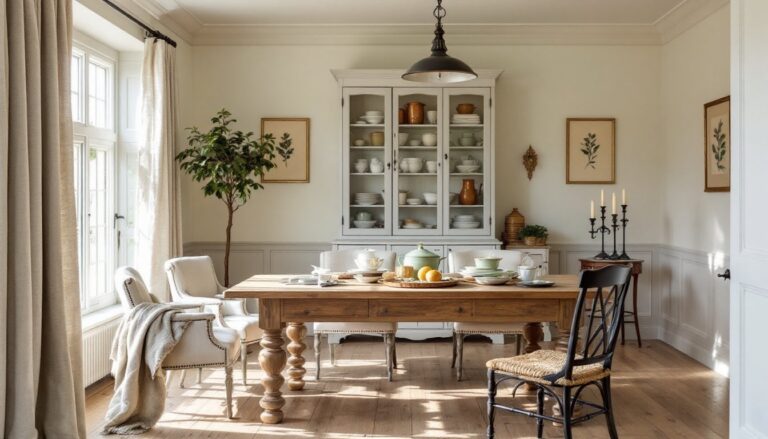


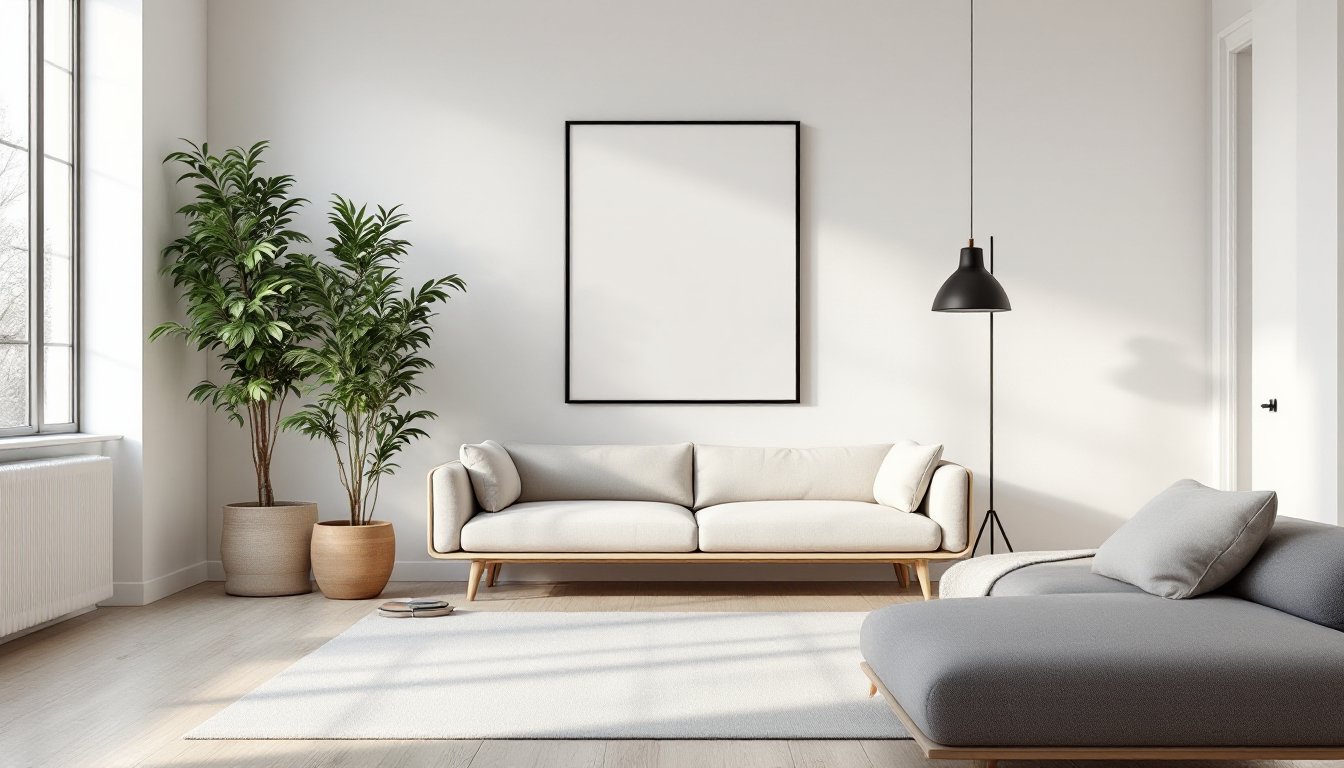
Minimalist interior design has become far more than a design fad, it’s a practical philosophy for creating spaces that breathe, function, and calm the mind. If you’ve scrolled through home inspiration feeds, you’ve likely seen the stark whites, open floors, and deliberately sparse furnishings that define this aesthetic. But true minimalism isn’t about cold, empty rooms or stripping away everything that makes a house feel like home. Instead, it’s about intentional choices: keeping what matters, removing what doesn’t, and designing spaces where every element has a reason to exist. For homeowners and DIY enthusiasts looking to refresh their interiors, minimalist design offers a clear framework, one that’s easier to execute than it might seem and genuinely improves how you live. This guide walks you through the core principles, materials, and practical steps to bring elegant simplicity to your own rooms.
Key Takeaways
- Minimalistic design interior focuses on intentional choices—keeping what matters and removing what doesn’t—rather than creating cold, empty rooms.
- The five core principles of minimalism are intentionality, negative space, quality over quantity, neutral foundations, and functional beauty that merges form with purpose.
- Natural materials like wood, concrete, stone, and quality textiles in solid colors create calm, timeless spaces that feel warm and inviting rather than sterile.
- Warm lighting (around 2700K color temperature), layered textures, and thoughtfully placed personal touches like plants or gallery walls add comfort without compromising the minimalist aesthetic.
- Minimalist design works in every room—from living areas with hidden storage to bedrooms for serenity—and costs less over time by prioritizing quality fundamentals over constant decorative updates.
- The philosophy applies perfectly to small spaces and budget-conscious homeowners because every element must earn its place, making smart design both practical and beautiful.
What Is Minimalist Interior Design?
Minimalist interior design is built on the idea that less is more. It’s not about owning nothing, it’s about owning only things you genuinely need or love. The philosophy strips away ornament, pattern clutter, and excess to create calm, purposeful spaces. Unlike decorating styles driven by trends or status symbols, minimalism focuses on function, clarity, and the relationship between objects and empty space. When executed well, minimalist rooms feel intentional rather than sparse. They often feature a neutral base, plenty of breathing room, and strategic focal points that draw the eye. The look has roots in Japanese design principles and Bauhaus philosophy, both of which valued form following function. Traditional Japanese interior design shares this same respect for negative space and simplicity. What separates minimalism from coldness is deliberate warmth, through texture, subtle color variations, and thoughtfully chosen accents that reflect who you are.
Core Principles and Design Philosophy
Five core principles anchor minimalist design. Intentionality means every piece, whether furniture, art, or decor, serves a purpose or brings genuine joy. Ask yourself: Would I feel the loss if this left the room? Negative space (or “whitespace”) is as important as filled space. It gives the eye rest and lets individual elements stand out. Quality over quantity emphasizes investing in fewer, better-made pieces that will last decades rather than filling shelves with disposable items. Neutral foundations (think whites, grays, blacks, natural wood) act as a calm backdrop that won’t date quickly. Functional beauty means form and function merge, a chair isn’t decorative: it’s beautiful because it works perfectly. These principles differ sharply from maximalist interior design, which celebrates abundance, pattern mixing, and layered visuals. Minimalism isn’t about judgment: it’s simply a different approach. Modern minimalist interior design applies these time-tested principles to contemporary homes, proving the philosophy remains deeply relevant.
Essential Elements and Materials
Minimalist spaces rely on clean lines, natural materials, and honest construction. Wood (oak, walnut, ash, or white pine) in its natural or lightly finished state grounds a room and adds warmth. Concrete (polished, sealed, or raw) works for floors, countertops, or accent walls and reads as industrial-minimal. Stone like marble or limestone brings subtle luxury and texture. Metal in matte black, brushed steel, or powder-coat finishes appears in frames, legs, or fixtures without drawing excessive attention. Textiles should be natural, linen, cotton, wool, or leather, in solid colors or subtle weaves. Patterns, if used at all, are geometric and understated. Furniture pieces are typically low-profile with tapered legs, simple silhouettes, and minimal ornamentation. Storage is hidden or seamlessly integrated (built-in cabinetry, wall-mounted shelves) so visual clutter disappears. Bauhaus interior design pioneered many of these ideas, simple forms, quality materials, and removing anything that doesn’t serve the design. When selecting materials and pieces, prioritize durability and timelessness over trendy finishes or novelty shapes.
Color Palettes and Lighting Strategies
Minimalist color schemes typically anchor around neutrals: whites, off-whites, soft grays, warm beiges, or charcoal. This foundation doesn’t mean boring, neutral tones have tremendous range. Warm whites feel inviting: cool grays feel sophisticated: warm grays bridge both. Accent colors, if introduced, are usually muted earth tones (sage, warm terracotta, soft taupe) or soft blacks for contrast. The goal is a palette that feels cohesive and timeless rather than seasonal or trend-chasing. Lighting deserves equal attention. Minimalist interiors often rely on natural light as the primary design element, so windows are kept clear (minimal treatments) and rooms are arranged to capitalize on daylight. Artificial lighting uses simple fixtures, pendant lights with clean lines, recessed fixtures, or understated table lamps. Avoid ornate chandeliers, colored bulbs, or multiple competing light sources. Monochromatic interior design takes this one step further, using variations within a single color family to create depth without pattern or contrast. Soft, diffused light (rather than harsh overhead fixtures) reinforces the calm atmosphere minimalism aims to achieve.
Balancing Minimalism With Warmth and Comfort
The biggest misconception about minimalism is that it’s cold or unwelcoming. In reality, the best minimalist spaces feel like refined homes, not sterile showrooms. Warmth comes from layered textures: a linen sofa, a wool area rug in a warm gray, natural wood shelving, and linen curtains in cream create interest without clutter. Lighting warmth (color temperature around 2700K, the soft yellow-white of incandescent bulbs) makes neutral rooms feel cozy rather than clinical. Personal touches matter, a single gallery wall with 3–5 framed images you genuinely love, a small collection of books, a potted plant, or one meaningful decorative object can personalize a minimal room without compromising the aesthetic. Many designers blend minimalism with modern farmhouse interior elements, reclaimed wood beams, vintage hardware, or a rustic shelving unit, to add character and livability. The key is restraint: choose your warm accent wisely and make sure it earns its place. Real people live in minimalist homes: they just live more intentionally. Family photos, cooking equipment in a functional kitchen, and well-loved furnishings are all welcome as long as they’re organized and thoughtfully displayed.
Practical Design Tips for Every Room
Living Rooms start with a clear focal point, a low-profile sofa in a neutral fabric, a simple media console, and possibly an accent wall in soft color or natural material. Keep décor to a few intentional pieces: a mirror to amplify light, one or two plants, and minimal accessories. Storage hides inside closed cabinetry or under the sofa.
Bedrooms benefit most from minimalism’s calming effect. A platform bed with natural wood or metal frame, neutral linens in quality fabrics, and two simple nightstands create serenity. Avoid wall-mounted clutter: keep surfaces clear. A single piece of art or a woven wall hanging adds texture without busy-ness.
Kitchens require smart storage. Open shelving works if items are neatly arranged: closed cabinetry is often better for true minimalism. Keep counters clear of appliances (find cabinet space for the toaster, coffee maker). One simple pendant light or track lighting suits this style better than overhead fixtures.
Bathrooms thrive with minimalism. A clean vanity, minimal toiletries (store excess in drawers), simple tile, and a single mirror create spa-like calm. Avoid shower caddies or towel hooks cluttering walls: use cabinetry or wall-mounted towel bars instead.
Interior design ideas on a budget often embrace minimalism because quality fundamentals (good paint, simple furniture, good lighting) cost less over time than constant decorative swaps. Small modern house interior design practically demands minimalist thinking, every square foot matters, so clutter has nowhere to hide.
Conclusion
Minimalist interior design offers homeowners a clear, achievable path to more intentional, beautiful spaces. By focusing on quality, function, and negative space, you create rooms that work harder and feel calmer. Start by removing what you don’t love, then thoughtfully add back only pieces that serve a purpose or spark genuine joy. Minimalism pairs beautifully with other approaches, blending warmth, personality, and livability while keeping the core philosophy intact. The result isn’t a showroom: it’s a home that reflects what matters to you, free from noise and full of possibility.