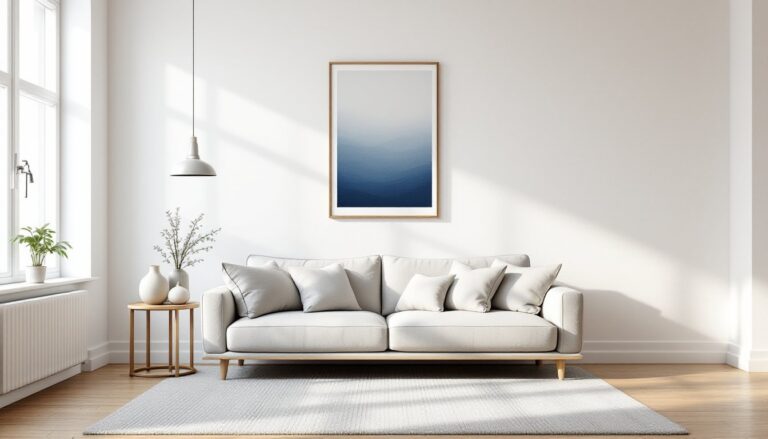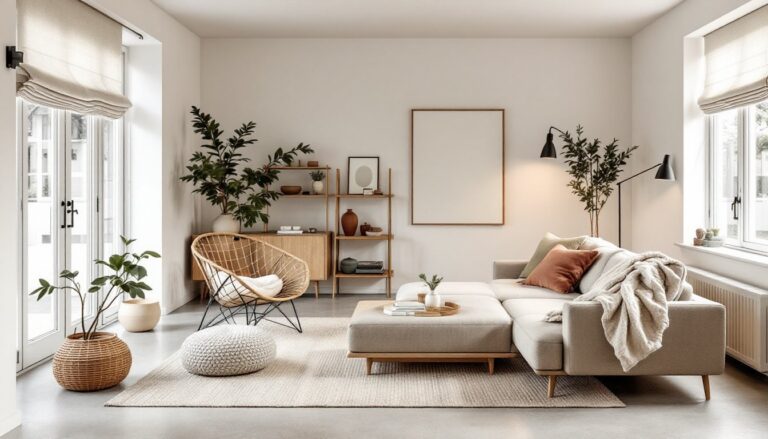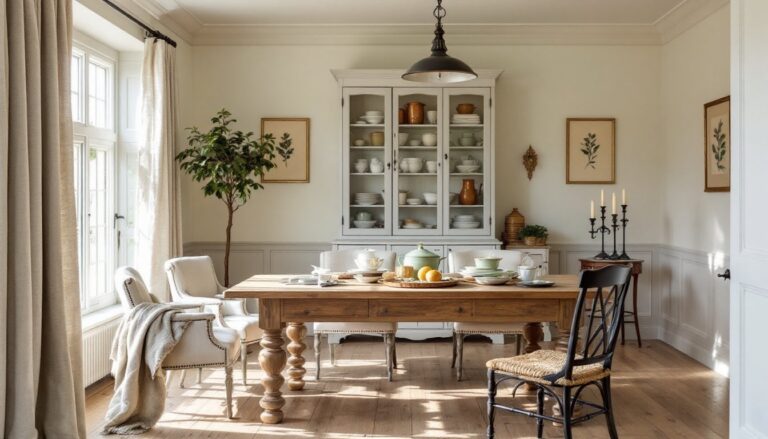


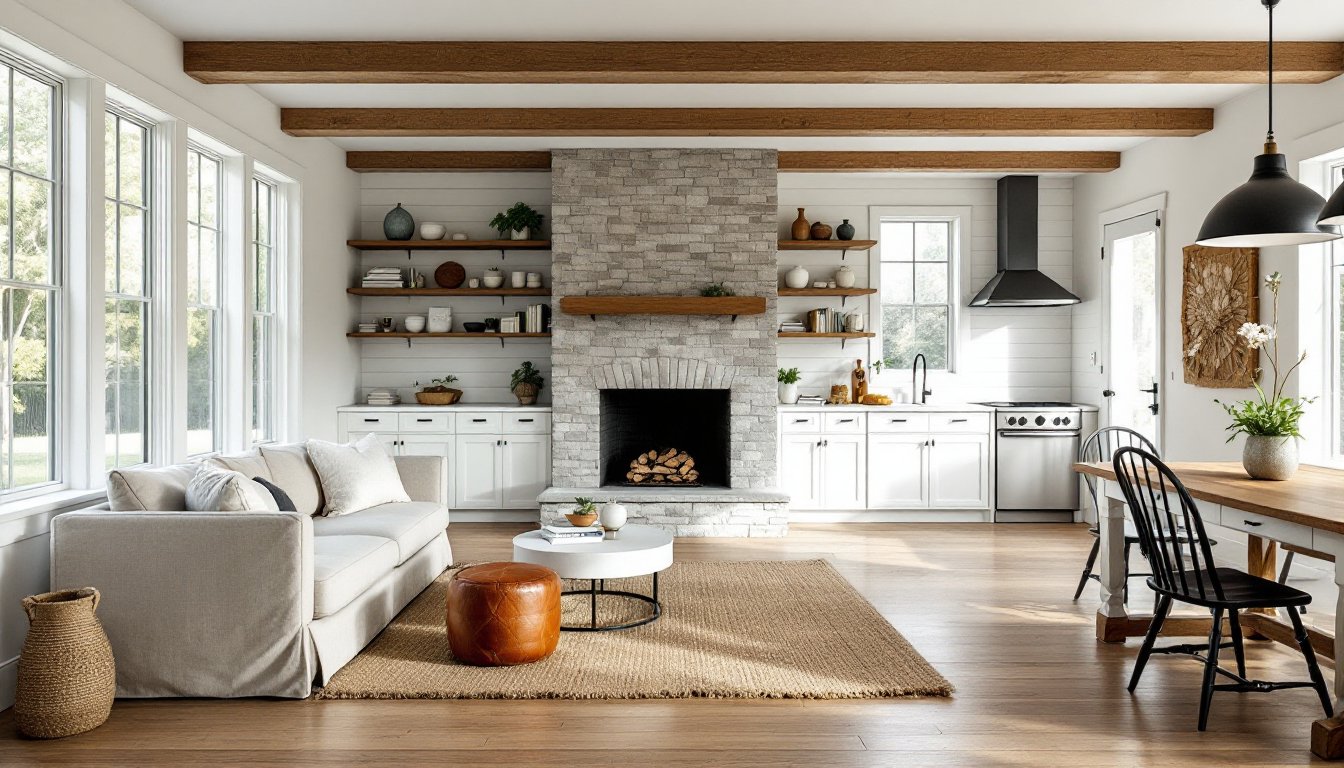
Contemporary farmhouse interior design has quietly become one of the most requested looks for 2026, and it’s easy to see why. It softens the cold edges of modern design with reclaimed wood, lived-in textiles, and warm neutrals, without slipping into the heavy country aesthetic of decades past. Think of it as the practical middle ground: clean lines meet handcrafted character. This guide breaks down what defines the style, the core materials and pieces that make it work, room-by-room ideas, common pitfalls, and budget-friendly ways to pull it together at home.
Key Takeaways
- Contemporary farmhouse interior design blends modern restraint with rustic warmth by pairing traditional elements like shiplap and reclaimed wood with clean lines and minimal accessories.
- A neutral color palette of warm whites, soft greiges, and natural wood tones paired with matte black accents creates the foundation—follow the 60/30/10 design split for balanced spaces.
- Common mistakes like shiplap overload, mismatched wood tones, and over-styling derail the look, so edit ruthlessly and focus on one or two statement pieces per room.
- Budget-friendly solutions include painting existing cabinets, swapping hardware, installing peel-and-stick shiplap, and hunting secondhand for solid wood furniture that photographs beautifully.
- Contemporary farmhouse works best when you prioritize honest materials, proper prep work (like acclimating reclaimed wood for 72 hours), and letting texture carry the design rather than decorative accessories.
What Defines Contemporary Farmhouse Style
Contemporary farmhouse style takes the bones of a traditional farmhouse, exposed beams, plank floors, shaker cabinetry, and pairs them with the restraint of modern design. The result is warm but uncluttered, rustic but not kitschy.
The defining traits are pretty consistent across designers. You’ll see a neutral base (whites, warm grays, soft taupes), natural materials like white oak and linen, and matte black or aged brass hardware. Beadboard, shiplap, and tongue-and-groove paneling still show up, just used more sparingly than in the 2018-era farmhouse boom.
Where it splits from traditional farmhouse decor rustic looks is the editing. Contemporary farmhouse leans toward minimalist interior design principles, fewer accessories, more negative space, and a quieter color story.
Core Elements of a Contemporary Farmhouse Interior
Pulling the look together comes down to two categories: the surfaces and finishes that set the backdrop, and the furniture and lighting that carry the personality. Get these right and the rest falls in line.
Color Palette and Material Choices
The palette is intentionally restrained. A typical contemporary farmhouse interior runs on:
- Warm whites (think Benjamin Moore White Dove or Sherwin-Williams Alabaster) on walls and trim
- Soft greiges and clay tones for accent walls or lower cabinets
- Matte black on window sashes, hardware, and light fixtures
- Natural wood tones, usually white oak, ash, or reclaimed pine
For materials, lean on honest textures. Quartz or honed marble countertops, 3/4-inch solid hardwood or wide-plank engineered flooring (7″ boards or wider read more contemporary), shiplap on a single accent wall rather than every surface, and linen or washed cotton textiles. If anyone is layering reclaimed wood, let it acclimate in the room for at least 72 hours before installation, skipping this step is one of the top reasons plank walls cup or gap.
Designers profiled on sites like interior inspiration galleries consistently use a 60/30/10 split, 60% neutral base, 30% wood and texture, 10% black or metal accents.
Furniture, Lighting, and Statement Pieces
Furniture should look substantial but not bulky. A slipcovered linen sofa, a trestle dining table in white oak, ladder-back or Windsor chairs, and a leather accent piece or two cover most living spaces. Avoid matching sets, mixing eras is part of the appeal, similar to how vintage eclectic interiors layer pieces from different decades.
Lighting is where the style earns its keep. Look for:
- Black iron or aged brass pendants over islands (hung 30-36 inches above the counter)
- Linen drum shades in living spaces
- Sconces flanking the bathroom mirror instead of a single vanity bar
One or two statement pieces, a barn door on flat track hardware, a stone fireplace surround, an oversized farmhouse sink, are usually enough to anchor the room.
Room-by-Room Design Ideas to Try at Home
Each room has a few moves that deliver the biggest visual return for the effort.
Kitchen: Shaker-style cabinets in white or sage, a 36-inch apron-front sink, quartz counters, matte black pulls, and a single row of open shelving in white oak. A wood range hood cover over a standard vent insert is a doable weekend project for an intermediate DIYer.
Living Room: Slipcovered sofa, jute or wool rug, a reclaimed wood coffee table, and built-in bookcases flanking a shiplap fireplace wall. Keep accessories grouped in odd numbers and leave breathing room.
Bedroom: A simple platform bed or upholstered headboard in oatmeal linen, layered bedding in white and natural tones, and a pair of mismatched nightstands. Cozy, calm spaces like these are central to the Dr Homey approach to interiors.
Bathroom: Black-framed shower glass, hex or subway tile, a floating wood vanity, and a vintage-style rug. Skip the over-styled towel ladder if the space is tight.
Entryway: Bench with hooks above, a runner, and a single piece of black-and-white art. That’s it.
Common Mistakes to Avoid When Styling Your Space
Most contemporary farmhouse rooms go sideways for the same handful of reasons.
- Shiplap overload. Putting it on every wall makes the room feel like a barn. Pick one feature wall or a single room (often the entry or a powder room).
- Mixing too many wood tones. Stick to two, maybe three, and repeat them throughout the space so the eye has somewhere to land.
- Going too theme-y. Mason jars, chicken wire, and hand-painted “Gather” signs push the look toward costume. Contemporary farmhouse interiors edit those out.
- Ignoring scale. A tiny chandelier over a long trestle table looks awkward, the fixture should be roughly half to two-thirds the width of the table.
- Skipping prep. Painting cabinets without degreasing and sanding, or installing flooring without checking subfloor moisture (under 12% MC for wood), leads to peeling finishes and warped boards within a season.
For a broader look at how this style compares to others, the breakdown of different design styles is worth a read before committing.
Budget-Friendly Tips to Achieve the Look
Contemporary farmhouse is one of the more forgiving styles to DIY because patina is welcome and matching sets are discouraged. A few cost-savers that actually work:
- Paint existing cabinets instead of replacing. A quart of bonding primer plus two quarts of cabinet enamel runs roughly $80-$120 and covers an average kitchen (pricing varies by region and brand).
- Swap hardware before swapping cabinets. Matte black knobs and pulls from big-box stores can transform a 1990s kitchen for under $150.
- Install peel-and-stick shiplap on one accent wall if real tongue-and-groove is out of budget. It’s not permanent, but it photographs and lives just fine.
- Hunt secondhand for trestle tables, ladder-back chairs, and dressers. Solid wood pieces from the ’70s and ’80s often have better bones than new flat-pack furniture and refinish beautifully.
- Shop the off-season at design retailers. Lighting and textiles see the deepest markdowns in late winter and mid-summer, the smart retail shopping guide covers the timing in more detail.
For inspiration on a tighter budget, browsing real homes on room-by-room photo galleries helps calibrate what’s actually achievable versus what’s been heavily staged. And styling tips from sources like MintPalDecor’s approachable style advice translate well to farmhouse spaces.
A quick safety note for any DIY work: wear safety glasses and a respirator when sanding old cabinets or trim, pre-1978 finishes may contain lead, and even newer ones throw dust that’s not great to breathe.
Contemporary farmhouse design works because it’s honest, restrained, and built around how people actually live. Start with the bones, edit hard, and let texture do the heavy lifting, the look comes together one considered piece at a time.