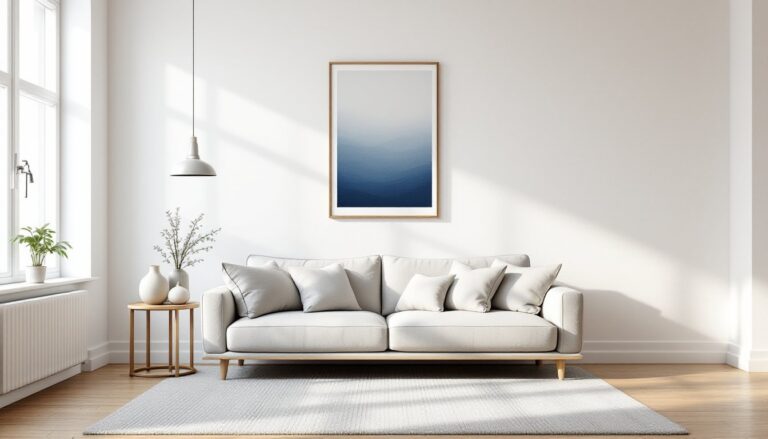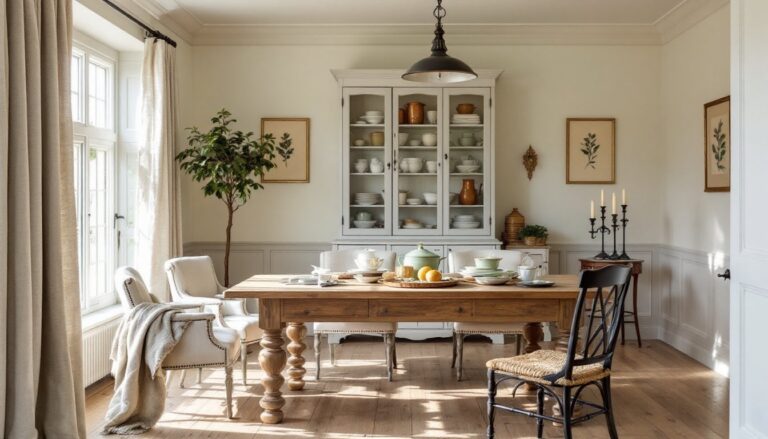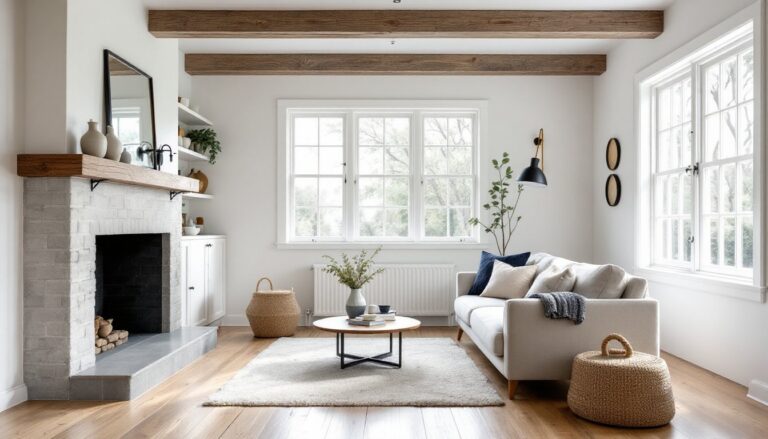


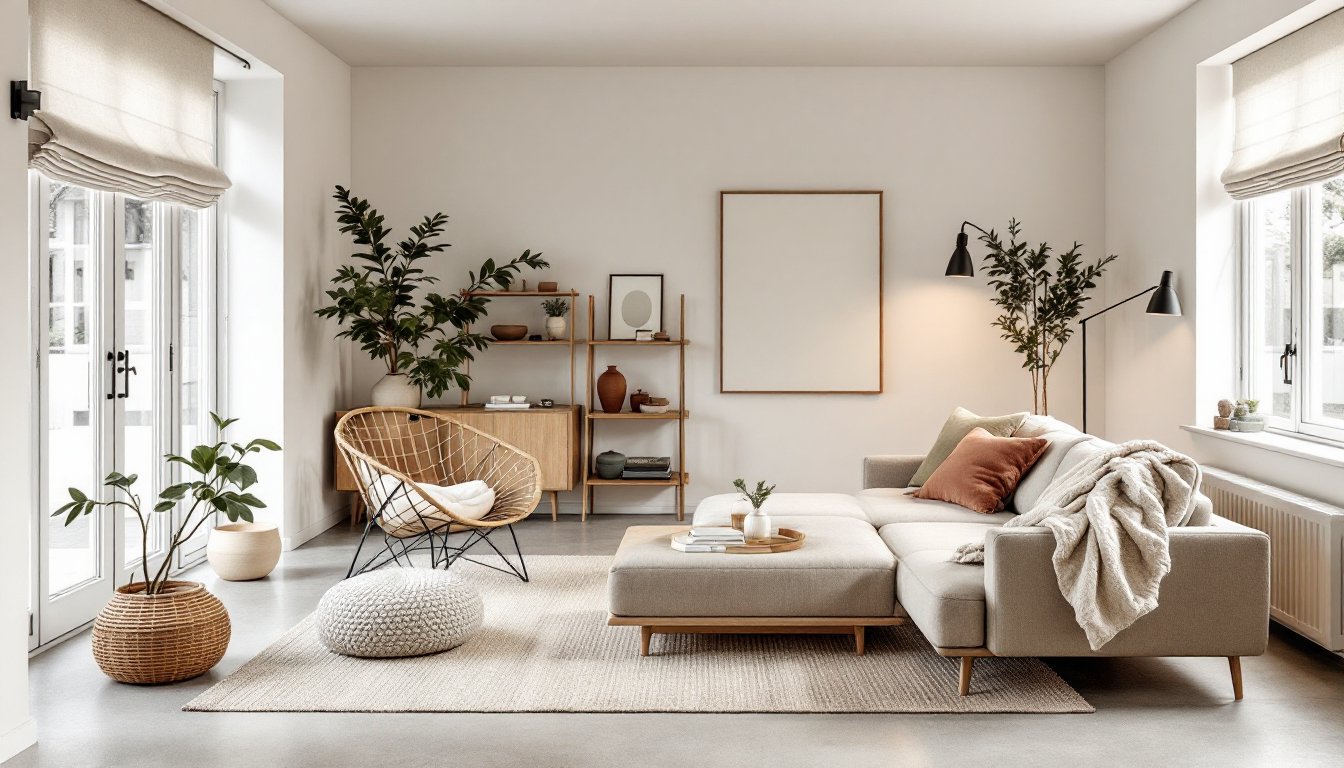
Warm minimalism strikes a balance that cold, stark interiors often miss: it proves you don’t have to choose between clean, uncluttered spaces and a home that actually feels inviting. This approach combines minimalist interior design’s intentional restraint with warmth through natural materials, soft textures, and earthy tones. If you’ve felt drawn to both the calm of simplicity and the comfort of coziness, warm minimalist interior design offers the best of both worlds. As homeowners seek spaces that feel both curated and lived-in, this design philosophy is reshaping how people think about what “minimal” really means.
Key Takeaways
- Warm minimalist interior design bridges the gap between calm, uncluttered spaces and emotional comfort by layering natural materials, soft textures, and earthy tones into a intentional aesthetic.
- The color foundation of warm minimalism relies on carefully layered neutrals—warm whites, beiges, taupes, and rich wood tones—with one or two muted accent colors to avoid a blank feeling.
- Choose furniture with clean lines, visible wood construction, and honest joinery (dovetail joints, mortise-and-tenon connections) that prioritize both function and warmth over overstylized pieces.
- Lighting is critical to warm minimalist success; layer warm-toned bulbs (2700K or lower), natural light with minimal window treatments, and dimmer switches to transform the space from austere to inviting.
- Texture becomes the visual star in warm minimalism when pattern and excess color are minimized—deliberately mix materials like linen, wool, exposed wood, ceramics, and warm metals to create depth and comfort.
- Start implementing warm minimalist interior design with one room or corner, focusing on removing unnecessary items and selecting quality pieces that feel both refined and genuinely lived-in.
What Is Warm Minimalism and Why It’s Trending
Warm minimalism isn’t a contradiction, it’s the answer to a design problem most of us have felt but couldn’t name. Traditional minimalism favors stark white walls, glass, steel, and an almost clinical aesthetic. Warm minimalism flips that script by keeping the philosophy of “less is more” while layering in natural materials, soft lighting, and human comfort.
The trend gained momentum as people spent more time at home post-pandemic and realized that beautiful didn’t have to mean sparse. Homeowners wanted spaces that felt both peaceful and welcoming, without the sensory overload of maximalism. This design movement works because it respects two core needs: the mental clarity that comes from reducing clutter and the emotional satisfaction of a space that feels like home.
Warm minimalist spaces typically feature open walls with strategic decor, wood tones, textured fabrics, and purposeful negative space. Each item on display earns its place. The result feels intentional rather than incomplete. Whether you’re redesigning a living room or starting from scratch, this approach gives you permission to keep things that spark joy while still maintaining that enviable sense of calm and order.
Core Design Principles for Warm Minimalist Spaces
Balancing Simplicity With Warmth
The heart of warm minimalism is knowing what to remove and what to keep. Start by auditing every item in a room: Does it function? Does it matter to you? If it’s a “maybe,” it goes. This isn’t cruelty, it’s clarity.
Once you’ve pared down, focus on what remains. Quality beats quantity every time. A single piece of bauhaus interior design with honest proportions tells more than five decorative objects cramped onto a shelf. The warmth comes from showing the beauty in simplicity itself: the grain of solid wood, the texture of a linen throw, the soft quality of natural light.
Think of your space like a well-written sentence, every word counts, and removing unnecessary words makes the meaning stronger. In warm minimalism, you’re editing ruthlessly but then adding back texture, tone, and humanity.
Color Palette Essentials
Warm minimalist color palettes revolve around neutrals with depth: warm whites, soft beiges, taupes, warm grays, and rich wood tones. These aren’t bland, they’re carefully chosen to work together and create visual interest without chaos.
Layering undertones matters more than you’d think. A warm white with cream undertones paired with a taupe that leans slightly gray creates subtle contrast. Add one or two muted accent colors, warm terracotta, sage green, or soft ochre, and your space avoids the “blank” feeling. The color interior design guide explores how to use color strategically without overwhelming a minimalist foundation.
Most designers recommend sampling paint on your actual walls and observing it at different times of day. Morning light and evening light hit colors differently, and what looks warm at 10 a.m. might feel cold at 6 p.m. Paint two large test patches and live with them for a few days.
Furniture Selection and Layout Strategies
Warm minimalist furniture prioritizes function and form in equal measure. Bulky, overstyled pieces have no place here. Instead, choose pieces with clean lines, visible wood construction, and proportions that feel intentional.
A solid wood table with simple legs beats a glass-topped modern table every time in this aesthetic. Natural wood, oak, walnut, or ash, provides the warmth that metal or glass can’t deliver. Look for furniture with honest joinery: dovetail joints, mortise-and-tenon connections, or visible frame construction. These details add visual interest while showing that the piece is built to last.
Layout should feel spacious but not empty. Group furniture to create conversation areas, but leave breathing room around each piece. A sofa shouldn’t float in the middle of a room: position it to define a functional zone. An accent chair, a reading table, and a floor lamp become a complete vignette without feeling cluttered. Walkways between furniture should be at least 18 inches wide, a practical rule that prevents a cramped feeling.
Storage is critical in minimalist design because clutter kills the aesthetic instantly. Designing with texture in interior design includes built-in shelving, closed cabinetry, and hidden storage solutions. Floating shelves work if you’re disciplined about what goes on them: closed cabinets hide the stuff that doesn’t photograph well. Consider a shallow console table with drawers instead of a stack of baskets, it maintains the clean line while providing practical storage.
Lighting and Textures for Comfort
Lighting transforms warm minimalism from austere to inviting. Avoid harsh overhead recessed lights: instead, layer lighting with floor lamps, table lamps, and warm-toned bulbs (2700K color temperature or lower). Dimmer switches give you control over ambiance without adding visual clutter.
Natural light is your best tool. Large windows with minimal window treatments (think linen Roman shades or simple curtain rods) let daylight flood in. If privacy matters, sheer fabric filters light without blocking it entirely. Skylights and high windows work beautifully in minimalist interiors because they add dimension without occupying wall space.
Texture is where warm minimalism comes alive. Without pattern or excess color to interest the eye, surface quality becomes critical. Mix materials deliberately: smooth plaster walls paired with a chunky linen sofa, polished concrete floors softened by a wool area rug, smooth wood shelving holding a woven basket and ceramic vessels. Traditional Japanese interior design teaches this principle beautifully, the appreciation of natural materials and their imperfections.
Incorporate textured elements thoughtfully:
• Textiles: Linen, wool, cotton, and jute in soft, neutral tones
• Wood: Exposed beams, flooring, or open shelving (never veneered or overly finished)
• Ceramics: Simple pottery or stoneware with natural glazes
• Concrete or stone: Polished or raw finishes add contemporary warmth
• Metals: Warm brass, copper, or matte black accents (not shiny chrome)
Each texture should feel deliberate and serve a purpose, comfort, function, or beauty. A single woven throw blanket draped on a sofa does more for warmth than ten decorative pillows crammed into a corner.
Conclusion
Warm minimalist interior decor isn’t about creating a showroom: it’s about designing a space that works hard and feels good. The philosophy respects both your mental need for calm and your human need for comfort. Success comes from thoughtful choices about what stays and what goes, paired with intentional selection of materials and finishes that feel warm and lived-in.
Start small, a single room, even a corner, to test the approach. Remove unnecessary items, choose quality furniture with honest construction, layer lighting and textures, and let natural materials do the work. The result is a home that feels both refined and genuinely inviting.