

Minimalist interior design has moved from Instagram aesthetic to practical living strategy. Homeowners are discovering that stripping away excess doesn’t mean creating cold, empty rooms, it means intentionally choosing what stays and what goes. Whether you’re overwhelmed by clutter or simply craving a calmer space, minimalist interior decor offers a clear path forward. This approach works for any budget, any square footage, and any lifestyle. The key is understanding the philosophy behind it and applying it systematically to transform your home into a serene, functional sanctuary.
Key Takeaways
- Minimalist interior design prioritizes intentionality and restraint, eliminating visual noise while ensuring every object earns its place through form, function, or emotional value.
- Declutter by category before redesigning—handle every item, be honest about use, and remove what doesn’t belong to see your actual space and make clearer design decisions.
- Choose neutral color palettes with one accent color and layer textures like wood, linen, and concrete to create visual interest without clutter or excess ornamentation.
- Invest in fewer, high-quality furniture pieces and hidden storage solutions that last 10+ years rather than multiple cheap alternatives that require frequent replacement.
- Build your minimalist interior slowly and sustainably, focusing on what genuinely improves your daily life rather than chasing Instagram-worthy aesthetics.
What Is Minimalist Interior Design?
Minimalist interior design is built on a single premise: every object in your space should earn its place through form, function, or emotional value. Unlike the “empty room” stereotype, minimalist interiors are thoughtfully curated environments that eliminate visual noise and unnecessary items.
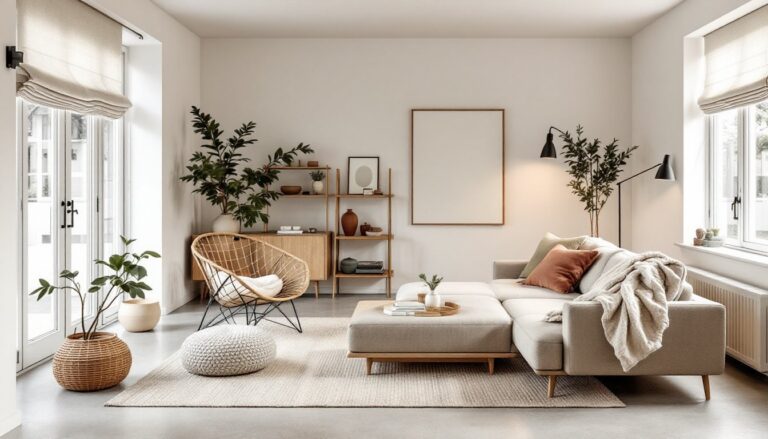
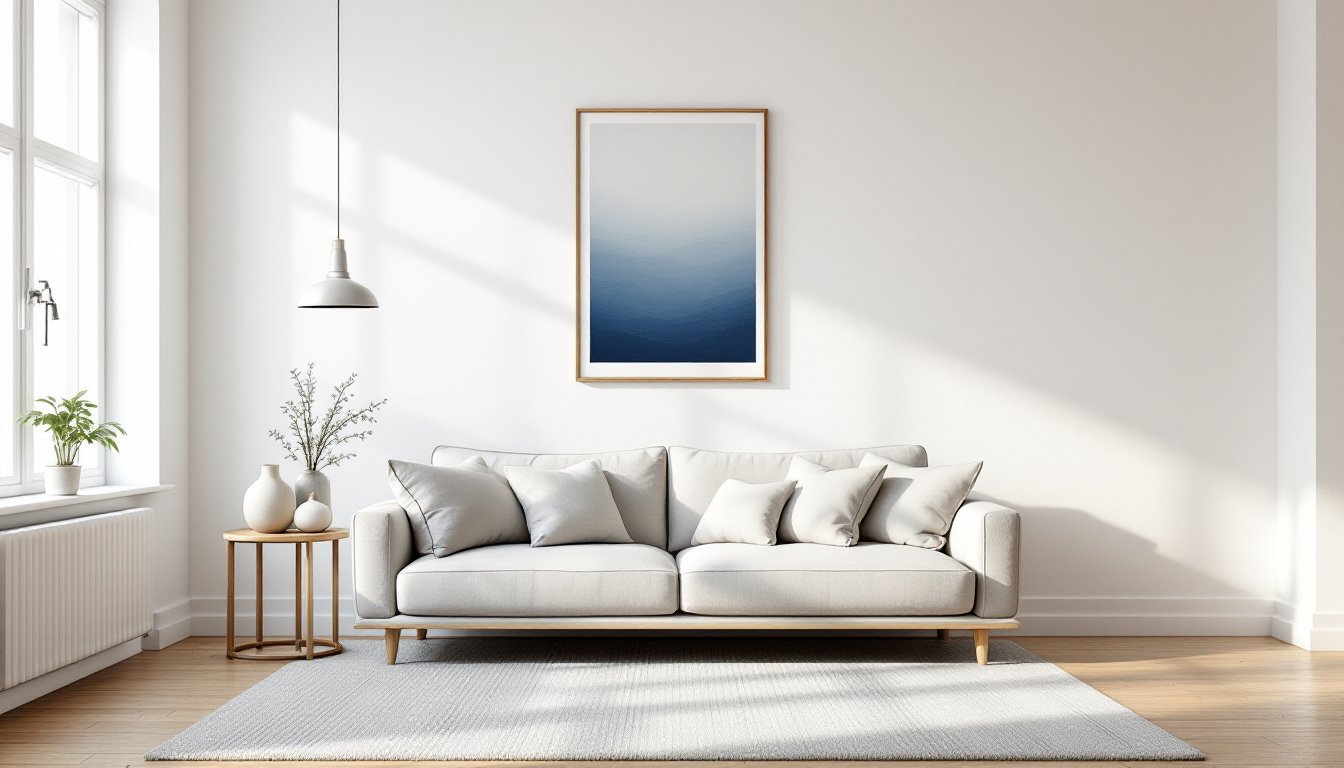
This design philosophy prioritizes clean lines, open floor space, and a restrained color palette. But minimalism isn’t about deprivation, it’s about clarity. A minimalist living room might feature a beautifully crafted wooden bench, carefully selected artwork, and a well-made sofa in neutral tones. Each piece is visible, considered, and intentional.
Minimalist interior decor removes the pressure to fill every corner or follow trendy rules. Instead, you focus on what genuinely improves your daily life. That means fewer possessions overall, better quality in what you keep, and spaces that feel peaceful rather than chaotic. The result is homes that look larger, cleaner, and more expensive, often on the same or smaller budget than traditionally decorated spaces.
Core Principles of Minimalist Design
Understanding the foundation of minimalist interior design helps you make decisions that stick. Two core principles guide all minimalist redesigns: intentionality and restraint.
Less Is More
This isn’t a catchy slogan, it’s a practical rule. In minimalistic design interior spaces, fewer items mean clearer sightlines, easier cleaning, and reduced decision fatigue. When you have five throw pillows, you mentally process all five every time you look at the couch. With one or two, your brain relaxes.
Less stuff also means higher quality. A minimalist’s wardrobe might contain half the pieces of a traditionally decorated closet, but each item is versatile, well-made, and genuinely liked. The same applies to furnishings: instead of three cheap side tables, you choose one solid wooden piece that will last years. This actually saves money long-term and reduces waste.
Intentional Spaces and Function
Every surface should have a purpose. That blank wall isn’t wasted space, it’s breathing room. That single framed artwork isn’t sparse: it’s a focal point. Bauhaus interior design principles align closely here, where form and function merge seamlessly.
Minimalist spaces ask: “Does this serve the room’s purpose?” A bedside table with a lamp and one book? Yes. A bedside table piled with three years of accumulated items? No. Intentional design means every object answers that question clearly.
How to Start Your Minimalist Redesign
Starting a minimalist redesign can feel overwhelming if you approach it room-by-room without a system. The key is beginning with decluttering, then working through design choices methodically.
Declutter First
Before you rearrange, repaint, or buy new furniture, remove what doesn’t belong. Many people skip this step and end up with beautifully designed clutter.
Here’s a practical approach: tackle one category at a time rather than one room. Start with books, then clothing, then kitchen items. For each category, handle every item and decide: keep, donate, or discard. Be honest. If you haven’t used it in a year and don’t genuinely love it, it goes. Research on minimalist bedroom design shows that removing excess before redesigning creates lasting calm rather than temporary tidiness.
Once decluttering is done, you’ll see your actual floor space, wall surfaces, and what furniture you truly have. This clarity makes design decisions easier. You’re not fighting against a pile of unknowns, you’re working with known quantities.
A practical tip: take photos of each category before sorting. It reinforces the commitment and prevents the temptation to “just keep one more thing.” Also, schedule donation pickups immediately. Piles of “maybe” items tend to migrate back into your space.
Minimalist Color Palettes and Materials
Minimalist color palettes lean heavily on neutrals, whites, grays, beiges, and blacks, but that doesn’t mean boring. The goal is a backdrop that lets form, texture, and intentional accents speak.
Neutral Foundation: Start with walls in soft white, warm gray, or warm beige. These colors recede visually, making spaces feel larger and calmer. Avoid pure white if your space lacks natural light: warm white (with cream or gray undertones) feels less clinical. Monochromatic interior design pushes this principle further, using tints and shades of a single color for sophisticated depth.
Accent Color: A single accent color (deep blue, forest green, or warm rust) can appear in artwork, a throw blanket, or a single upholstered piece. This prevents the space from feeling cold while maintaining minimalist restraint.
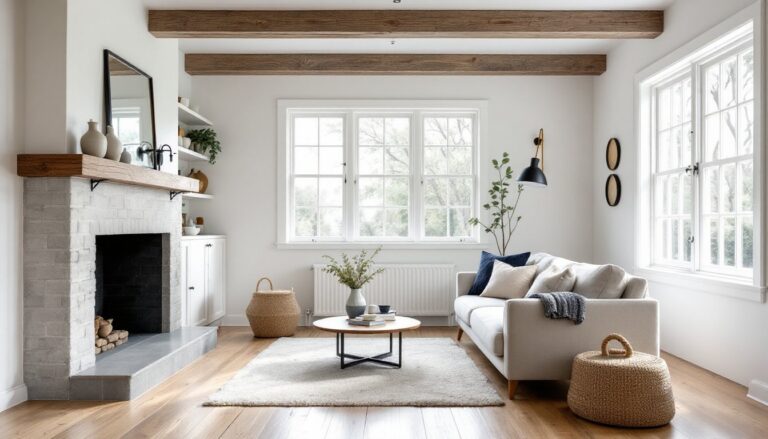
Material Texture: Since color is limited, texture becomes critical. Minimalist interiors layer different materials: smooth plaster walls, wood flooring, a linen sofa, concrete countertops, and metal hardware. These variations create visual interest without clutter. Matte finishes feel calmer than glossy ones, think matte paint, brushed metal, and unsealed wood rather than shiny lacquer or polished chrome.
Lighting as Design: Because minimalist spaces lack ornamental objects, lighting fixtures become important design elements. A single statement pendant, sleek track lighting, or floor lamp does heavy lifting. Choose fixtures with clean lines, no ornate crystal or excessive ornamentation.
When selecting interior design colors, test paint samples on the actual walls in natural and artificial light before committing. Neutral colors shift dramatically depending on undertones and lighting conditions. Buy small sample cans and paint large swatches: live with them for a few days. What looks calm at 2 p.m. might feel too cool or too warm in evening light.
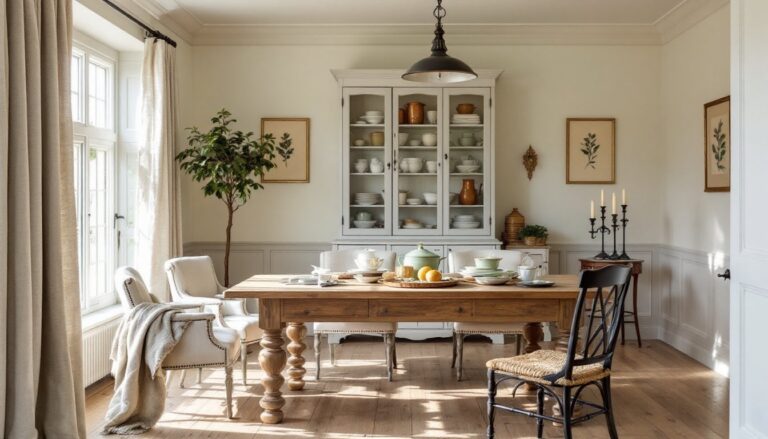
For materials, prioritize durability and simplicity. A natural wood floor or polished concrete finish feels more authentic and weathers better than high-maintenance alternatives. Upholstered pieces should be solid colors in natural fabrics, linen, wool, cotton, rather than patterned or synthetic materials. These age gracefully and align with minimalist values of longevity and quality.
Practical Next Steps
After decluttering and establishing your color palette, begin arranging furniture to maximize negative space. Don’t push everything against walls out of habit, position pieces to define functional zones while leaving open floor area visible.
When furnishing, minimalist interior design focuses on smart choices rather than budget constraints. One well-made sofa outperforms three cheap ones. One solid dining table beats a plastic one plus a folding backup. Investment pieces that last 10+ years cost less per year than replacing cheaper items every few years.
Storage should be hidden when possible. Open shelving clutters sightlines: closed cabinetry, drawers, and built-ins maintain clean aesthetics. Minimize decorative objects on surfaces, a single plant, one framed photo, or a small sculpture. The emptiness around objects makes them more valuable, not the emptiness worthless.
For budget-conscious DIYers, interior design on a budget applies perfectly to minimalist spaces since the philosophy itself rejects excess spending. Thrift quality neutral furniture, paint walls yourself, and skip trendy decor. You’ll save money while building a timeless home.
Build your minimalist interior slowly. Live in each stage before adding or changing more. Rushing creates regret and tends to bring clutter back. Minimalism, done right, becomes a sustainable lifestyle, not a short-term project. Browse design inspiration resources for ideas that resonate with your specific space and situation, but remember: your minimalist home should reflect your values and daily needs, not an Instagram aesthetic.