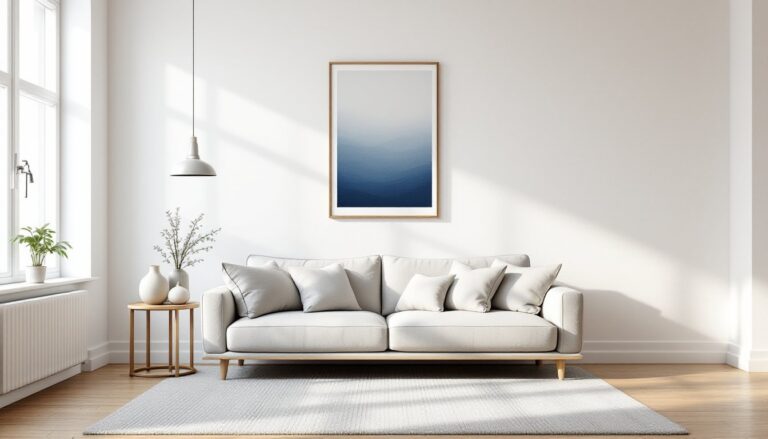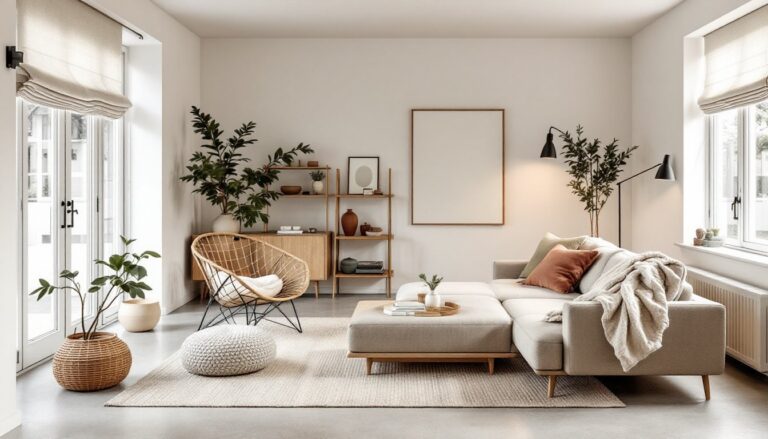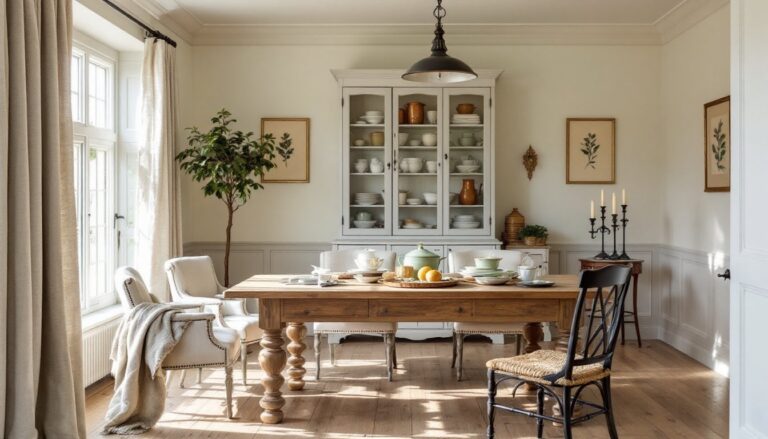


Maximalism isn’t about throwing everything at the wall and seeing what sticks. It’s a deliberate, curated approach to interior design where bold color, pattern, and collected treasures come together with intention. Unlike the spare, breathing-room aesthetic of minimalism, maximalist interior design celebrates abundance, but make no mistake, there’s a difference between organized chaos and actual chaos. If you’re tired of stark, empty walls and want to inject personality, warmth, and visual richness into your home, maximalism might be your answer. This guide walks you through the core principles and practical steps to create a maximalist space that feels energized, not scattered.
Key Takeaways
- Maximalist interior design celebrates intentional abundance by layering bold colors, patterns, and collected treasures to create curated spaces that tell your personal story.
- Start with a single design anchor—such as a dramatic wallpaper, bold wall color, or statement furniture piece—and build your maximalist room around it to maintain visual coherence and avoid decision paralysis.
- Pattern layering in maximalist design works by connecting multiple patterns through shared colors or motifs rather than clashing randomly, creating visual richness that guides the eye comfortably throughout the space.
- Incorporate diverse textures—velvet, boucle, silk, wool, and lacquered surfaces—to add depth and tactile interest, making your maximalist room feel warm and lived-in rather than flat or sterile.
- Balance visual abundance with intentional curation by carefully selecting gallery wall pieces and shelf displays that serve your design narrative, removing anything that causes visual stress or confusion.
What Is Maximalism and Why It’s Different From Minimalism
Maximalism follows a simple philosophy: more is more. It’s the opposite end of the design spectrum from minimalism, which strips away excess in favor of clean lines and breathing room. Where minimalism says “less,” maximalism says “let’s collect, layer, and celebrate.” It’s defined by abundant color, layered patterns, eclectic art, and displayed collections, books, heirlooms, travel souvenirs, whatever tells your story.
But here’s the critical distinction: maximalism is not hoarding. A maximalist room isn’t a cluttered mess where nothing has a home. Instead, it’s intentional visual abundance where every piece serves the room’s overall aesthetic or tells part of your personal narrative. Each object is chosen because it adds texture, color, meaning, or tactile interest. The key difference from minimalism is that empty wall space isn’t prized: instead, walls, shelves, and surfaces are opportunities to express taste, history, and visual richness.
Think of maximalism as curated chaos. The room is busy, layered, and color-forward, but nothing in it is accidental. A maximalist room invites you to look closer, discover new details, and feel the presence of the person who lives there. That’s the heart of the approach: authenticity over austerity.
Core Principles of Maximalist Design
Color and Pattern Confidence
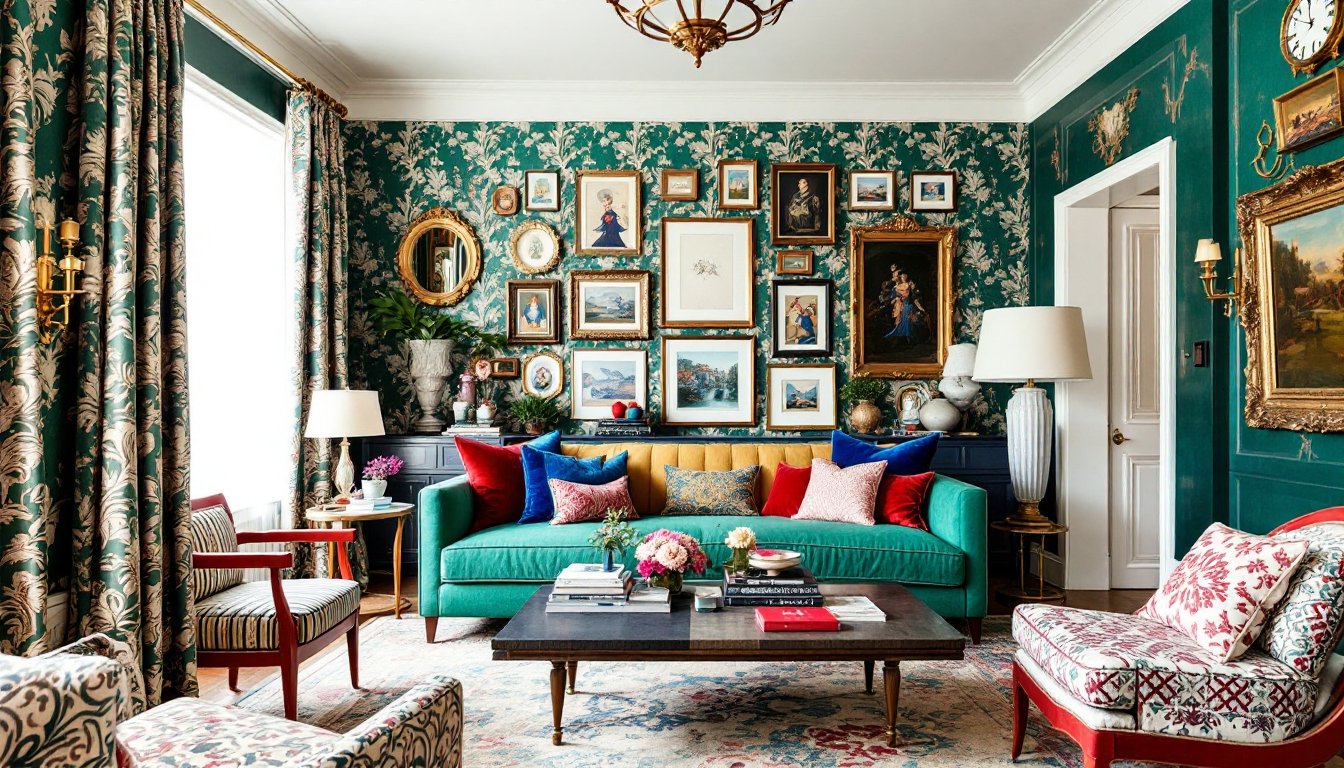
Color and pattern are the cornerstones of maximalist design. Instead of playing it safe with neutrals, maximalism uses saturated, bold hues, emerald green, royal blue, ruby red, deep plum. These aren’t timid colors: they’re statement colors that anchor a room’s personality.
Pattern layering, sometimes called “pattern drenching,” is equally important. You’ll see multiple patterns in a single room, wallpaper on one wall, patterned curtains, patterned upholstery, printed throw pillows, and they work together because they share visual threads. Maybe they all feature the same accent color, or they echo a similar motif (botanical, geometric, or ornamental). Large-scale wallpapers and mural-like walls are common in maximalist homes. The technique isn’t to clash randomly: it’s to connect patterns intentionally so the eye moves comfortably from one to the next.
When you’re selecting colors and patterns, think about what unites them. A shared color palette, say, emerald and gold, can tie together three wildly different patterns without chaos. Or a common motif, like a botanical theme running through wallpaper, upholstery, and artwork, creates coherence amid visual abundance.
Layering Textures and Materials
Texture is where maximalism becomes tactile. A true maximalist room includes a rich mix of materials: velvet upholstery, boucle pillows, silk or wool rugs, lacquered wood surfaces, brushed metal fixtures, and strategically placed mirrors that reflect light and pattern. This layering of textures adds depth and visual interest: it’s the difference between a room that looks flat and one that invites you to run your hand across surfaces.
Layered textiles are especially important. Instead of a single pillow on a sofa, you’d have three or four, different fabrics, colors, and patterns stacked together. A throw blanket draped across an armchair. Multiple rugs in a layered arrangement. This textile abundance creates both visual richness and a sense of comfort and lived-in warmth. The textures catch light differently, so the room shifts throughout the day. That’s intentional design at work.
Mixing styles and eras is another core principle. Your maximalist room might blend mid-century modern furniture with Victorian art, contemporary wallpaper, and vintage accessories. The eclecticism is the point. It shows that beauty and functionality don’t require everything to match or follow a single historical timeline. Related styles like bohemian interior design and vintage eclectic design share this philosophy of mixing periods and sources, but maximalism leans harder into density and visual complexity.
Practical Steps to Create a Maximalist Room
Start With a Design Anchor and Build Around It
Don’t try to overhaul your entire home at once. Start with one room or even a corner, and pick a design anchor, a bold element that sets the tone for everything else. An anchor might be a dramatic wall color, a large-scale wallpaper, a standout rug, or a significant piece of furniture (like a jewel-toned velvet sofa). This anchor becomes your north star: everything else in the room should relate to it visually.
For example, if your anchor is an emerald-and-gold wallpaper on one accent wall, you’d then select artwork, textiles, and accessories that echo those colors and motifs. A gold-framed mirror, emerald throw pillows, and botanical prints create a conversation around that wall rather than competing with it. Deep color choices require confidence, but starting with a clear anchor makes the rest of the decisions simpler.
Building around an anchor prevents decision paralysis and keeps your room cohesive. You’re not starting with a blank slate and drowning in infinite choices: you’re building outward from a strong focal point.
Balance Abundance With Intentional Curation
Here’s where maximalism separates from mere clutter: intentional curation. Yes, you’re filling walls, shelves, and surfaces, but you’re doing it thoughtfully. A gallery wall is a maximalist staple, multiple artworks in varied frames and sizes, tightly spaced for impact, but each piece should have a reason to be there. Maybe it’s a painting you love, a family photo, a poster from a trip, a print that matches your color story.
Filled shelves are another signature maximalist feature. Instead of minimalist open shelving with three perfectly spaced objects, you layer books, photographs, small sculptures, and collectibles. But again, it’s curation. You’re choosing items that tell a story or contribute to the room’s mood. Remove anything that causes visual stress or confusion: if it doesn’t belong to your design narrative, it goes.
Balance also means knowing when to rest the eye. A wall painted in rich jewel tones might be paired with a simpler, calmer adjacent wall to give the space breathing room. Or a heavily patterned sofa might sit against neutral shelving. The abundance is real, but it’s distributed with intention. Think of it as organized chaos: busy, yes, but never random.
As you pull together your maximalist space, remember that different interior design styles each have their own logic. Maximalism’s logic is abundance plus intentionality. You can also look to related styles, modern farmhouse interior design pairs rustic warmth with collected objects, and French interior style often layers textures and art, for inspiration on how to layer and display pieces with sophistication.
Design publications like Architectural Digest and Elle Decor showcase maximalist interiors that prove bold, collected spaces can be both beautiful and livable. The magazine Home Bunch also features interior design inspiration that demonstrates how pattern, color, and texture work together in real homes. Study how designers use anchors, limit their base color palette even while multiplying patterns, and curate collections so they enhance rather than suffocate a space.
Make Maximalism Work for Your Home
Maximalist interior design is a permission slip to fill your home with color, pattern, texture, and meaning. It’s not about perfection or restraint: it’s about surrounding yourself with pieces that spark joy, tell your story, and make your space unmistakably yours. Start with an anchor, build intentionally, and curate ruthlessly. Your walls and shelves will thank you, and more importantly, so will your sense of home.