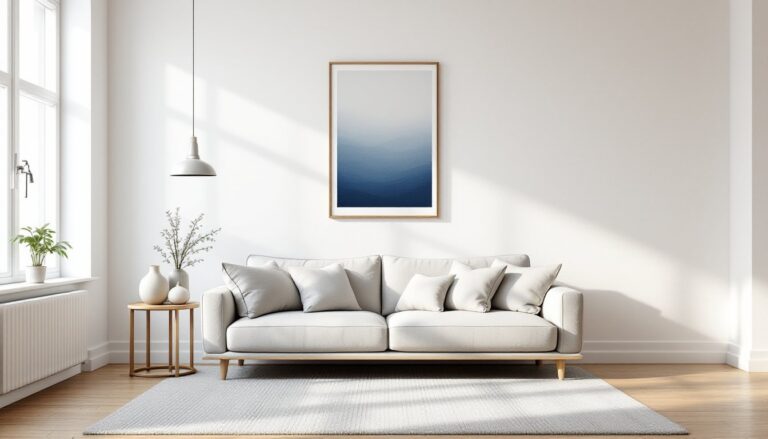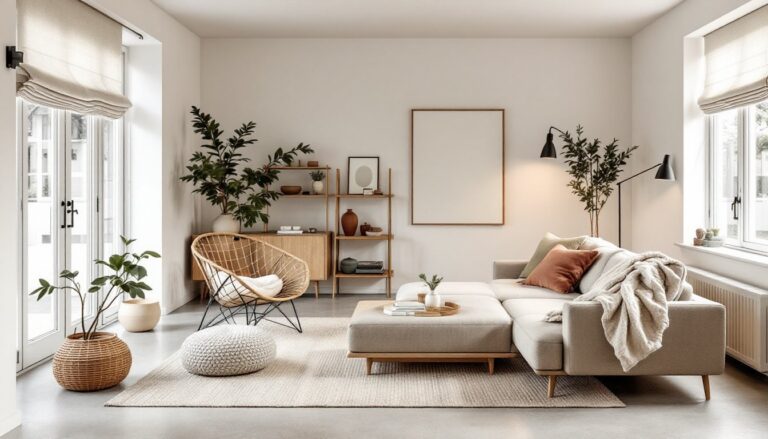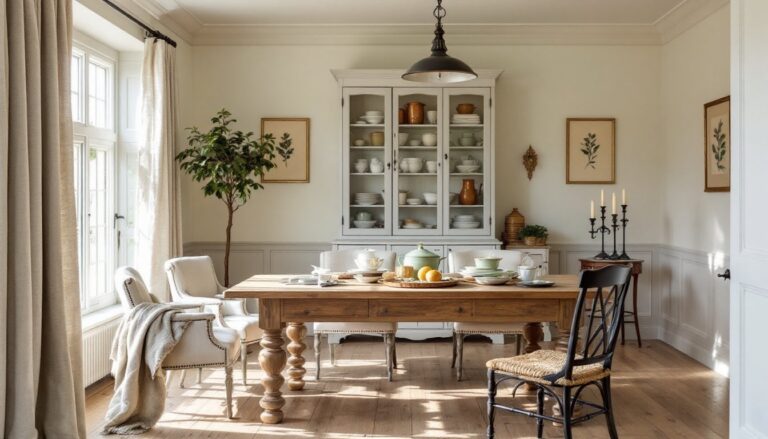


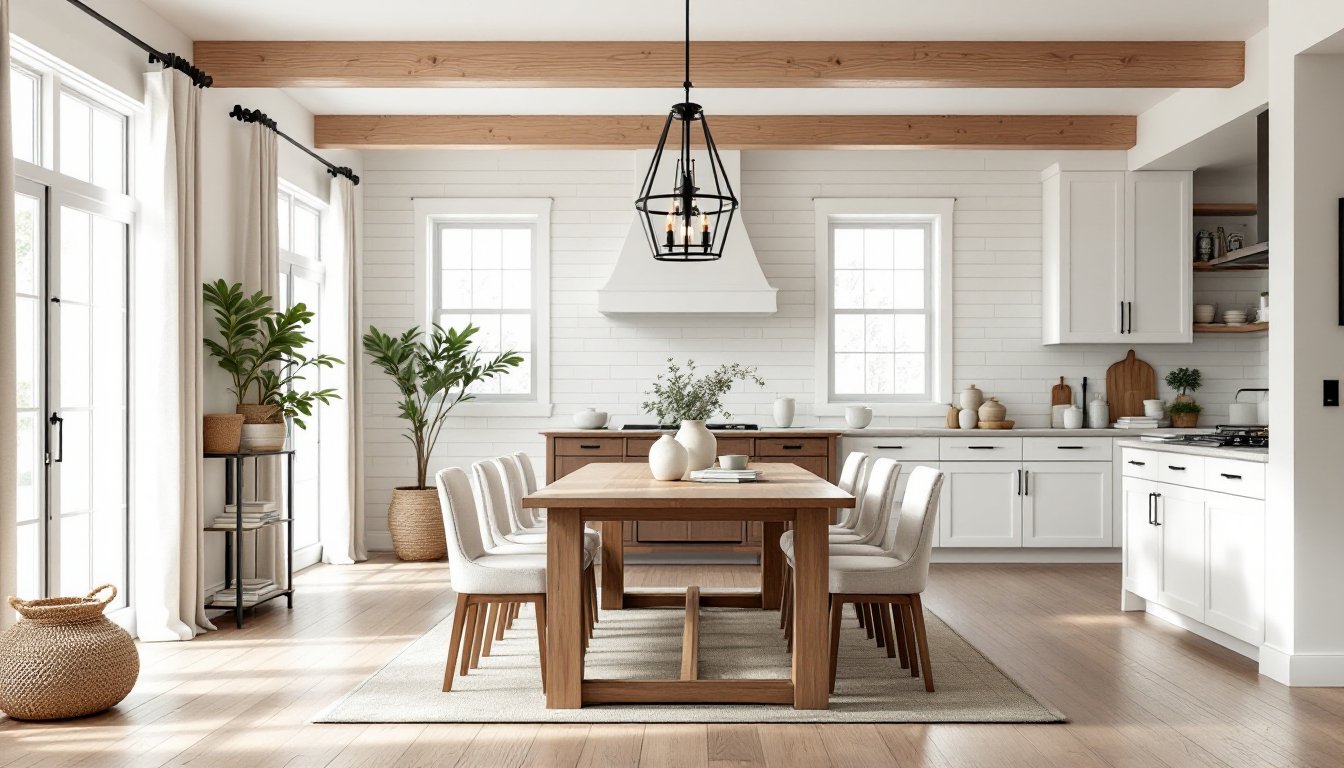
Modern farmhouse interior design blends the warmth and authenticity of rural aesthetics with sleek, contemporary lines, creating spaces that feel both grounded and refined. Unlike pure farmhouse design, which leans heavily on vintage artifacts and weathered finishes, modern farmhouse strips away clutter, emphasizes clean functionality, and pairs reclaimed wood and neutral tones with minimalist interior design principles. This hybrid approach has become the go-to for homeowners seeking farmhouse home decor ideas that don’t feel stuck in the past. Whether you’re planning a full renovation or tackling smaller farmhouse decoration ideas, understanding the balance between rustic charm and modern restraint is the key to nailing the style without it feeling dated or overwhelming.
Key Takeaways
- Modern farmhouse interior design blends rustic authenticity with clean, contemporary lines—rejecting clutter while celebrating fewer, larger objects with genuine character.
- The essential material palette includes reclaimed or hand-scraped wood flooring, shiplap accent walls, metal accents, and natural stone that prioritize honest construction over ornamentation.
- Neutral color schemes (whites, creams, soft grays) form the foundation, with visual interest created through layered textures like woven baskets, linen, and unfinished wood rather than bold colors.
- Furniture and layout follow open-concept principles with substantial but simple pieces, strategic placement to define zones without blocking sight lines, and emphasis on scale and restraint.
- DIY-friendly projects like installing shiplap, building floating shelves, and updating cabinet hardware offer accessible ways to transform spaces while maintaining the modern farmhouse aesthetic.
- The style endures because it respects both historical authenticity and contemporary functionality, avoiding trends in favor of timeless principles rooted in quality materials and minimalist restraint.
What Defines Modern Farmhouse Design
Modern farmhouse design is fundamentally about marrying two seemingly opposite aesthetics. On one end, you’ve got the farmhouse, which celebrates handmade textures, visible wood grain, and the patina of age. On the other, you have modern design’s obsession with clean lines, open floor plans, and uncluttered spaces. The magic happens when these two meet.
At its core, modern farmhouse rejects excessive ornamentation. There’s no room for oversized lace doilies or wall-to-wall collectibles. Instead, it celebrates fewer, larger objects with authentic character. A single reclaimed wood beam becomes an architectural focal point. A vintage cast-iron sink isn’t hidden away, it’s the statement piece above the counter.
The style also emphasizes honest materials and visible construction. You might see exposed shiplap, but it’s painted a crisp white. Hardwood floors are prominent, but they’re sanded and sealed rather than heavily distressed. Function always comes first: aesthetics follow naturally. A shelf isn’t decorative, it holds books, baskets, or dishware. That’s the modern farmhouse philosophy. 20 Modern Farmhouse Design Ideas That Are Irresistibly Chic provides excellent visual examples of how this balance plays out across real homes.
Key Design Elements and Materials
Modern farmhouse relies on a specific material palette: raw wood, metal accents, and stone or concrete. Reclaimed or distressed hardwood flooring in oak, hickory, or mixed widths forms the foundation of most interiors. If you’re installing new flooring, look for hand-scraped or wire-brushed finishes that mimic age without the actual decay.
Walls often feature shiplap, horizontal wooden planks traditionally used on barns and exterior walls. For interior use, install shiplap with proper underlayment behind it to prevent moisture issues, and prime it thoroughly before painting. Most modern farmhouse spaces use shiplap as an accent wall rather than covering the entire room.
Metal accents, think iron railings, steel light fixtures, or vintage hardware, break up the softness of wood and provide industrial contrast. Concrete countertops or polished concrete floors also fit the aesthetic, especially in kitchens. Stone (especially limestone or slate) appears in fireplaces, backsplashes, and accent walls.
Color Palettes and Textures
The modern farmhouse color scheme centers on neutrals: whites, creams, soft grays, and warm blacks. These create a calm backdrop that lets architectural elements and natural materials shine. Accent colors are muted, think sage green, dusty blue, or warm taupe rather than bold jewel tones.
Texture matters enormously because the limited color palette needs visual interest. Layering woven baskets, linen curtains, chunky knits, and unfinished wood creates depth without relying on color variation. Incorporating farmhouse home decor ideas alongside minimalist interior design ensures spaces feel curated rather than cluttered. Consider matte finishes on paint and fixtures, they photograph well and feel less precious than high-gloss surfaces.
Furniture and Layout Strategies
Furniture in modern farmhouse spaces should be substantial but not ornate. A solid wood dining table with simple lines, turned legs, or a trestle base anchors a kitchen or dining room. Upholstered pieces (sofas, chairs) typically use neutral fabrics, linen, canvas, or durable cotton blends, in whites or grays.
The layout itself follows open-concept principles. Kitchens flow into dining and living areas without walls dividing them. This requires furniture placement that creates zones without blocking sight lines. A low wooden shelf or console table can define a boundary between spaces without closing them off.
Scale matters. Modern farmhouse spaces often feel spacious precisely because furniture isn’t oversized or crowded. A living room might feature one substantial sofa, two simple chairs, a wooden coffee table, and a console, not a sectional, accent chairs, side tables, and multiple ottomans. Interior design ideas on a budget often emphasize this restraint, making the style accessible without major investment. Vintage and secondhand pieces work beautifully here because individual character adds authenticity that mass-produced furniture can’t match.
Lighting and Decor Accents
Lighting in modern farmhouse design pulls from industrial and vintage sources. Pendant lights with metal shades, Edison-style bulbs in cage fixtures, or vintage reproductions hung over islands or dining tables are standard. Chandeliers appear occasionally, but they’re typically wrought iron with candle-style lights rather than ornate crystal.
Natural light is maximized through large windows and minimal window treatments. When curtains are used, they’re linen, muslin, or simple cotton, often hung on black metal rods. Roman shades in neutral fabric offer a cleaner look than traditional curtain panels.
Decor accents follow the “less is more” principle. Instead of a shelf lined with 20 small items, display a stack of books, three ceramic jugs, and a single framed photo. Farmhouse-specific accents include galvanized metal pieces (buckets, trays, watering cans repurposed as vases), vintage signage, woven baskets for storage, and simple greenery in clay pots. Mirrors with wooden or metal frames add depth and reflect light without adding clutter. Sources like modern home decor ideas and inspiration showcase how strategic accessorizing prevents spaces from feeling sparse or cold.
DIY Projects to Transform Your Space
Starting with shiplap is the quintessential modern farmhouse DIY project. Before you begin, ensure the wall surface is clean and dry. Locate and mark the studs (typically 16 inches on center) with a pencil, you’ll need to nail into them for structural support. Shiplap boards are usually 3/4 inch thick and 7.25 inches wide (nominal sizing: actual dimensions are slightly smaller).
Install a level first course at the bottom, using a nail gun or 2.5-inch finish nails. Each subsequent board should interlock slightly with the one below it. Stagger joints across boards to avoid continuous seams. After installation, fill nail holes with wood filler, sand smooth, and prime the entire wall with a quality primer before painting.
Another accessible project is refinishing or building a simple wooden mantel or floating shelf. A basic floating shelf requires sturdy brackets rated for your load (typically 50-75 pounds per bracket), studs in the wall to anchor into, and a length of 1×10 or 1×12 dimensional lumber. Mount brackets 16 inches apart on studs, insert the shelf, and secure it from underneath so fasteners remain hidden. Sand and stain the wood in walnut, dark gray, or natural finishes that complement your palette.
Updating hardware on kitchen cabinets costs almost nothing but transforms the entire space. Replace existing knobs and pulls with black metal, oil-rubbed bronze, or cast iron options. Measure the hole spacing (typically 3, 3.75, or 5 inches center-to-center) before ordering to ensure fit.
For more advanced DIYers, old farmhouse interior design offers inspiration for techniques like installing reclaimed wood wall cladding or creating a brick or shiplap accent wall around a fireplace. These projects may require a second pair of hands and basic framing knowledge but deliver major visual impact.
Conclusion
Modern farmhouse interior design works because it respects both history and function. It doesn’t romanticize rural life or chase fleeting trends, it borrows what’s authentic from traditional farmhouse aesthetics and pairs it with contemporary simplicity. Whether you’re starting fresh or evolving a space gradually, the principles remain consistent: choose quality materials, favor fewer pieces with character, embrace neutral palettes, and let the architecture and honest construction do the heavy lifting. The style feels as comfortable in 2026 as it did when it first gained traction, precisely because it’s rooted in timeless restraint.